

Boil incision and drainage
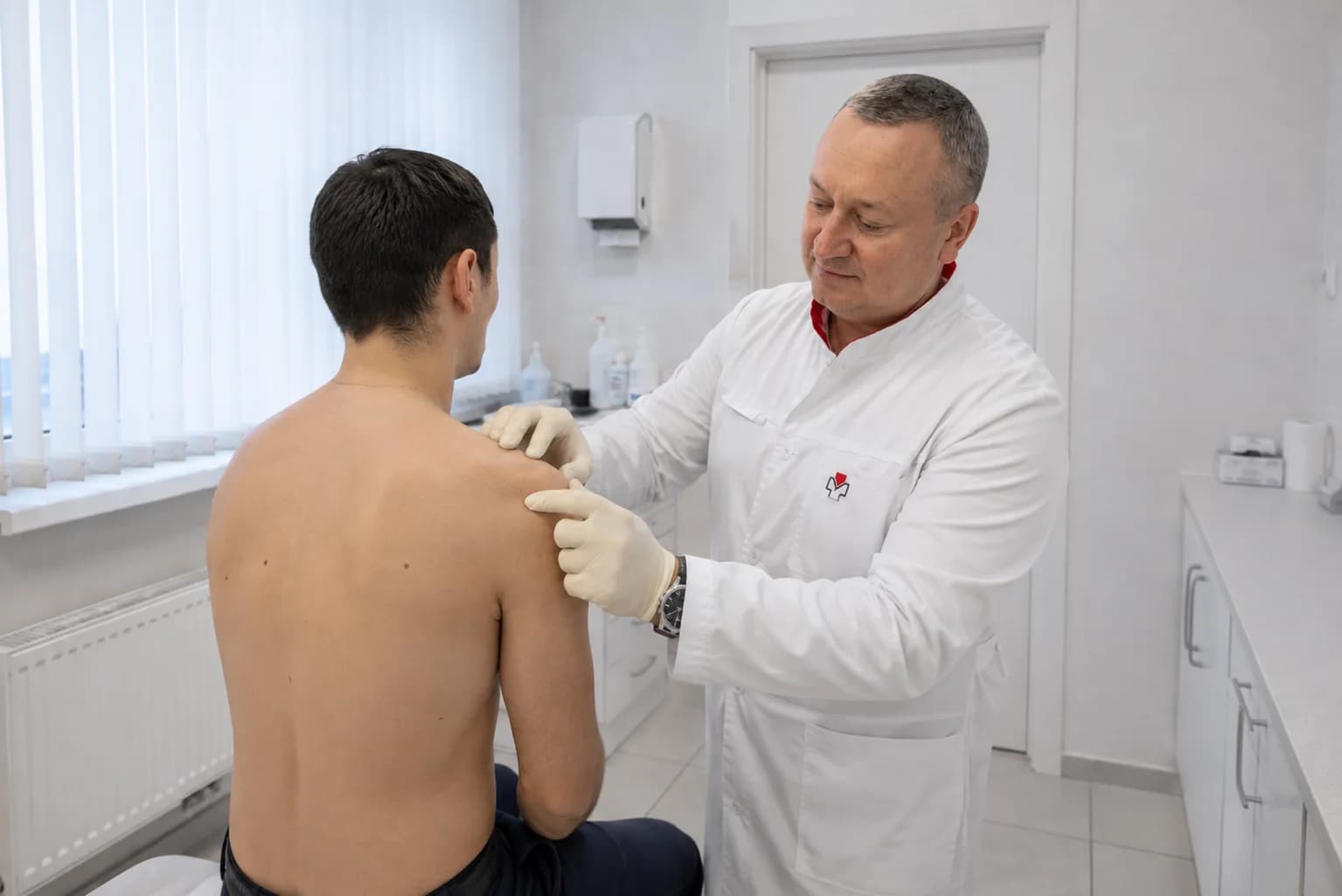
A boil may begin as a small, painful lump but can gradually enlarge, become more swollen and red, and fill with pus. If a pocket of pus has formed, ointments, compresses, or attempts to “help it burst” on your own may not always resolve the problem. In such cases, a surgeon assesses the inflamed tissues and determines whether incision and drainage of the boil are necessary. During the procedure, the pus is drained, after which the doctor determines the appropriate next steps for treatment and wound care. If the lesion is getting larger, becoming increasingly painful, not improving, or if the inflammation is spreading, it is important to have the condition assessed in a timely manner.
How to tell if it’s a boil
- A painful lump that develops around a hair follicle or in an area with hair growth.
- Redness and swelling around the inflamed area.
- Gradual enlargement of the lump over several days.
- Increasing pain or a throbbing sensation in the affected area.
- Warmth of the skin over the lump.
- The appearance of pus or a pale spot in the centre.
- Tight, tender skin over the affected area.
- Drainage of pus if the boil begins to drain on its own.

Specialists
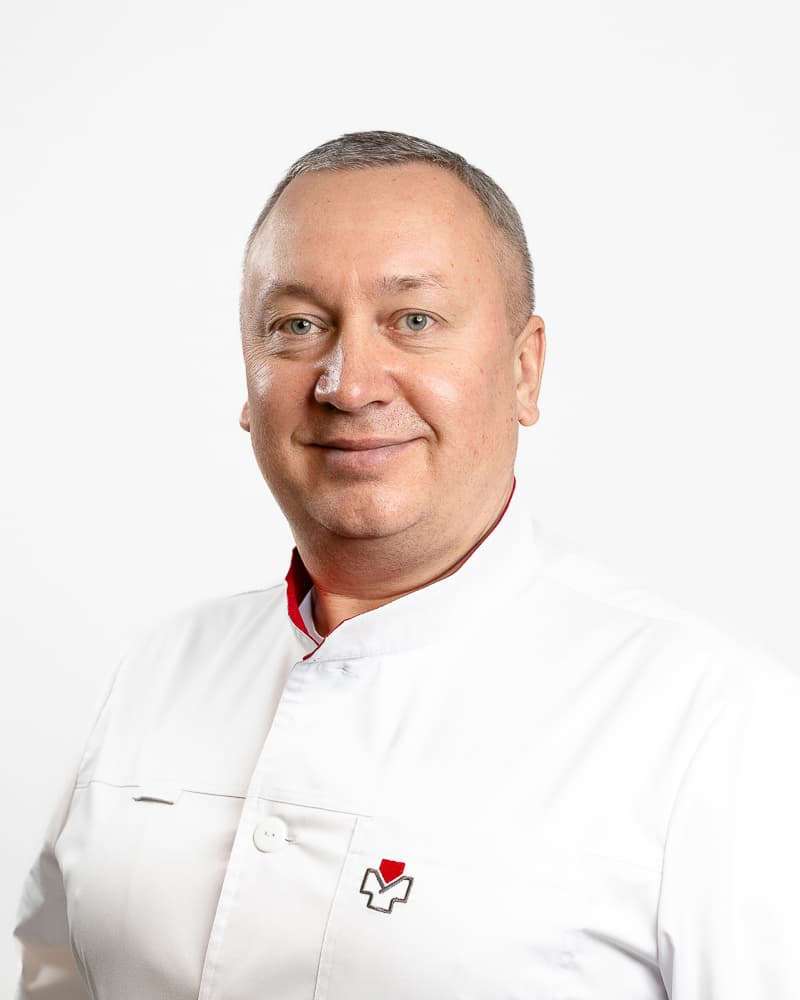
Bosyy Oleh Anatoliyovych
Surgeon, Ultrasound doctor
When a boil keeps coming back: when should you look for an underlying cause?
If purulent skin infections recur, appear in different locations, or return after treatment, it is important to assess not only the current lesion but also the possible causes of recurrence.
One contributing factor may be recurrent infection with Staphylococcus aureus. In some people, this bacterium may be present on the skin or mucous membranes without causing symptoms but, under certain circumstances, may contribute to recurrent purulent infections. In such cases, a doctor can determine whether additional tests or a different treatment approach are needed.
Recurrent boils may also be associated with conditions that affect healing and susceptibility to infection. For example, in cases of frequent recurrence, a doctor may recommend checking blood glucose levels or refer you for an endocrinology consultation if there are reasons to investigate possible metabolic factors.
The location of the lesions is also important. If painful nodules and purulent lesions repeatedly develop in the armpits, groin, or other skin-fold areas, they may not always be ordinary boils. In such cases, a dermatology consultation may be needed to rule out other skin conditions that can have a similar appearance but require different treatment.
For recurrent episodes, the diagnostic pathway should begin with a consultation with a surgeon to assess the active inflammation. Depending on the findings, the doctor may recommend incision and drainage, wound dressings, laboratory tests, or referral to another specialist to investigate the factors contributing to recurrence.
FAQ
Why you should not squeeze a boil yourself?
Some of the pus may remain in the tissues, while additional mechanical pressure can further damage the inflamed area and contribute to the spread of infection into the surrounding tissues.
Trying to puncture the boil yourself does not guarantee adequate drainage either. If a pocket of pus has formed, it is important to assess its size and extent. In some cases, a soft tissue ultrasound may be needed, particularly when it is difficult to determine during a physical examination whether a formed abscess is present.
If the surgeon determines that the lesion requires intervention, incision and drainage may be performed, followed by wound monitoring. Depending on the condition of the wound, dressing changes and follow-up examinations may be needed to assess healing.
When does a boil require more than home treatment?
If a painful lesion is getting larger, accumulating pus, not improving, or the inflammation is spreading, you should not decide on your own whether it needs to be punctured or opened. A consultation with a surgeon allows the affected tissues to be assessed and helps determine whether a soft tissue ultrasound, incision and drainage, or another treatment approach is needed.
To schedule a consultation or enquire about the procedure, call +380 97 312 92 91. We look forward to welcoming you to Doctor Sam at: 1 Kiltseva Road, Respublika Park Shopping Mall, Kyiv, near Teremky Metro Station.


