

GC FLU vaccination (South Korea)
GC FLU vaccination is a preventive measure against seasonal influenza using an inactivated split-virion vaccine manufactured in South Korea. The vaccine contains purified influenza virus antigens that help the immune system develop a specific response to infection. Annual vaccination reduces the risk of influenza and its potentially serious complications. The vaccine is indicated for children from 6 months of age and adults, subject to the current product information and an assessment of individual health factors.

Why annual influenza vaccination matters
Influenza is an acute viral infection that can cause fever, pronounced fatigue, muscle aches, headache and cough. It does not always resolve as a short-lived illness: influenza can lead to pneumonia, worsen chronic conditions and cause other serious complications.
Annual vaccination helps reduce the risk of influenza and its severe consequences. Influenza viruses constantly change, and immunity following vaccination decreases over time. For this reason, seasonal vaccine formulations are regularly updated based on recommendations regarding the strains expected to circulate during each season.
Vaccination is particularly important during periods of increased respiratory virus transmission, when exposure may occur at work, in schools, on public transport and in other shared spaces. Getting vaccinated in advance helps prepare the immune system to respond to influenza viruses.

Specialists

Zabolotnia Myroslava Mykolaivna
Family doctor
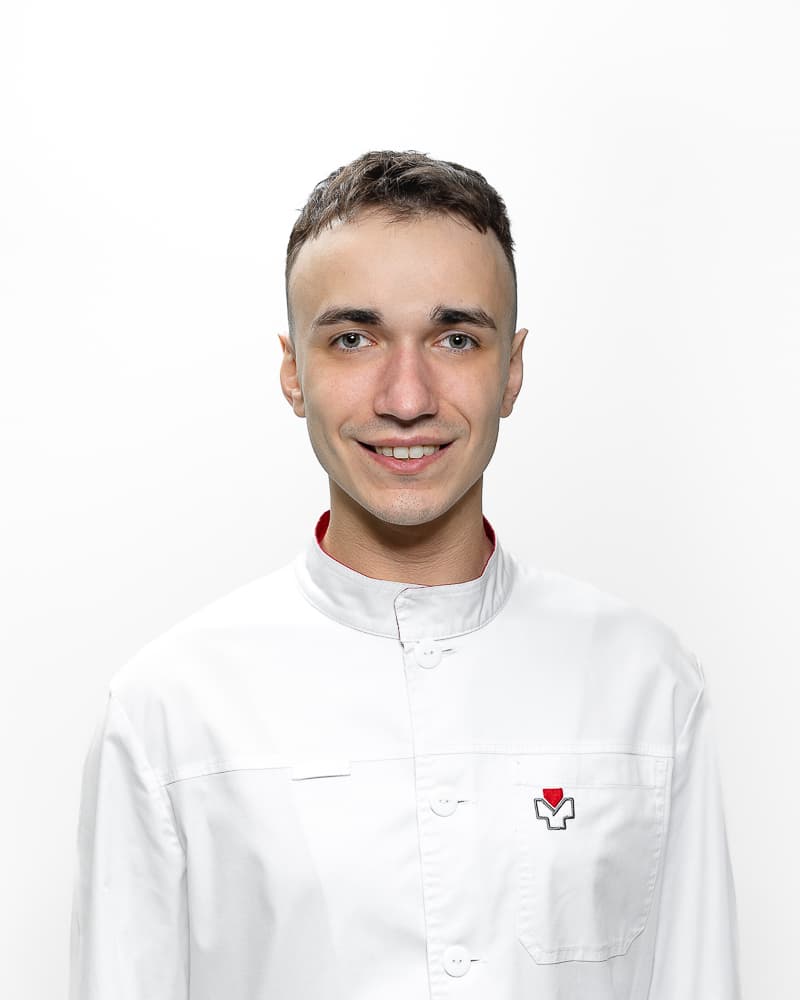
Korshak Oleksandr Serhiiovych
Family doctor

Osnytska Iryna Viktorivna
Family doctor
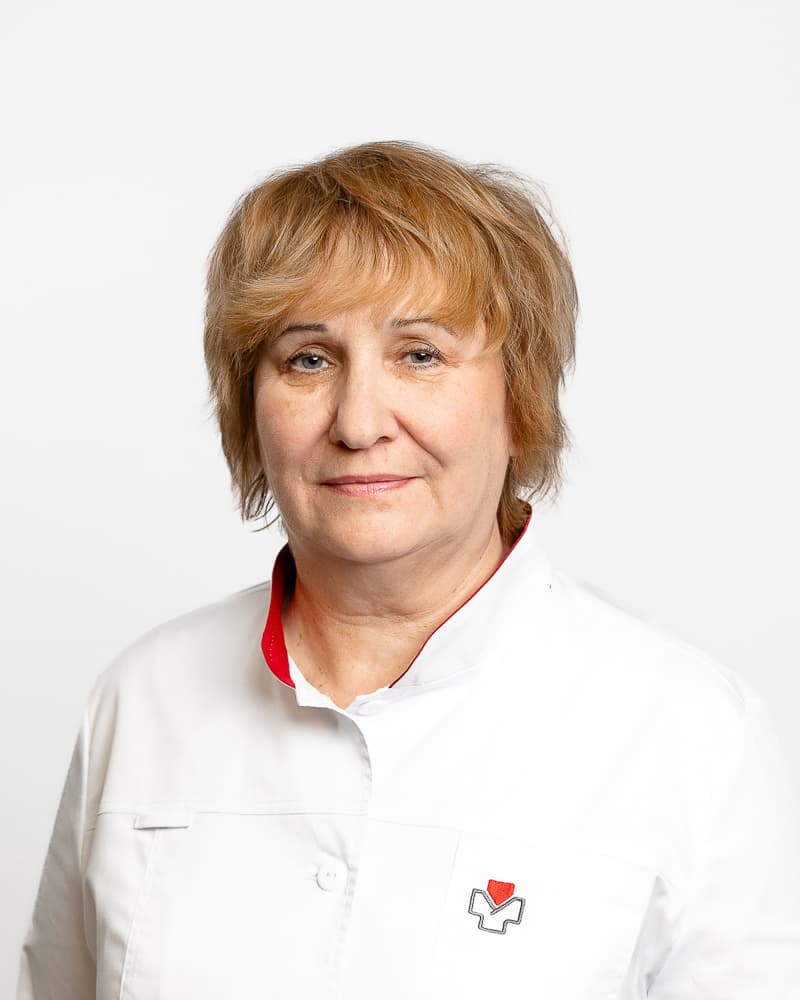
Hurkina Nataliia Vasylivna
Pediatrician

Siladi Yosyp Yosypovych
Pediatrician

Diakonchuk Yelyzaveta Romanivna
Pediatrician

Shvets Oleksandr Orestovych
Pediatrician
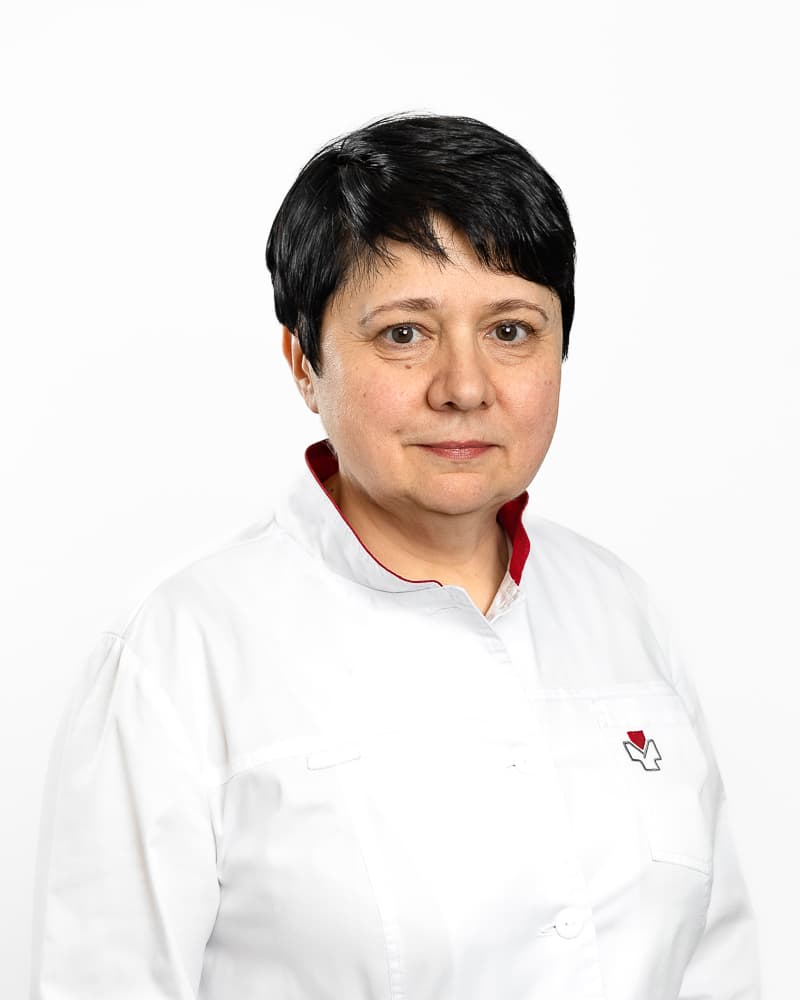
Shvets Olena Henrikhivna
Pediatrician
What to know about the GC FLU vaccine
GC FLU is an inactivated split-virion vaccine for the prevention of seasonal influenza, manufactured in South Korea. During production, viral particles are inactivated and split, retaining the antigens needed to stimulate an immune response.
Key features of the vaccine:
- The vaccine does not contain live influenza virus capable of replicating in the body and therefore cannot cause influenza.
- Influenza vaccine formulations are updated to reflect current recommendations on circulating seasonal strains.
- A healthcare professional assesses the patient's health, checks for potential contraindications and determines whether vaccination is appropriate.
Vaccination does not guarantee complete protection against infection, but it remains an important measure for preventing seasonal influenza and reducing the risk of associated complications.
When to get vaccinated and how to prepare
Ideally, vaccination should take place before influenza begins to circulate widely, allowing the immune system time to develop a protective response. This usually takes around two weeks. However, vaccination may still be appropriate during the influenza season.
Special preparation is generally not required. Before vaccination, inform the healthcare professional about any chronic conditions, allergies, previous reactions to vaccines and medications you take. It is also important to mention pregnancy or breastfeeding. Bring your vaccination record if available.
If you develop a fever or an acute illness before your scheduled vaccination, inform the healthcare professional. They will assess your condition and determine whether vaccination can proceed or should be postponed.

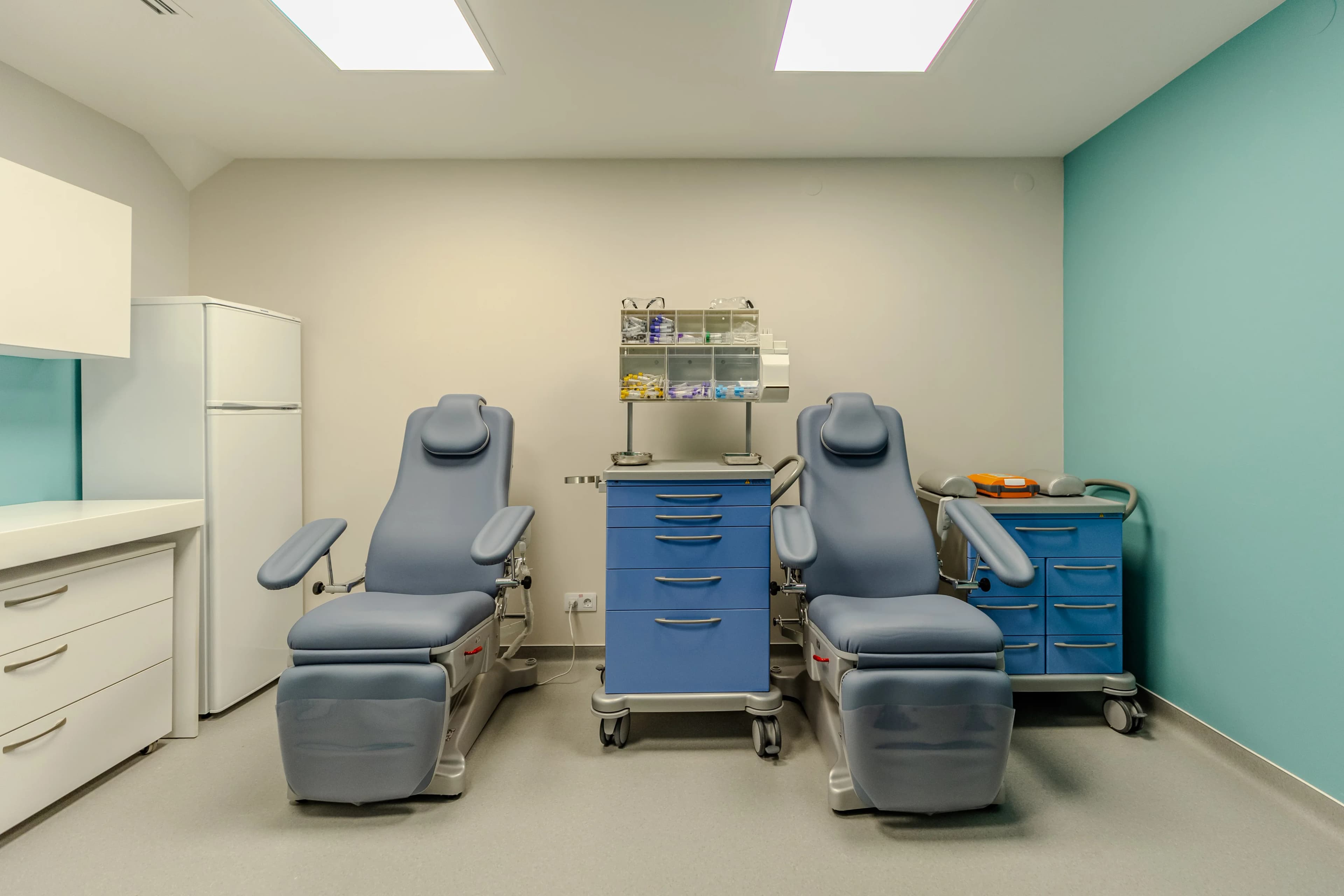

What to expect during vaccination
Before administering the vaccine, a healthcare professional examines you, reviews your vaccination history and checks for allergies, coexisting conditions and potential contraindications.
The procedure involves several steps:
- Assessing your health and checking for potential contraindications.
- Confirming your age, previous vaccinations and the appropriate vaccination schedule.
- Administering the vaccine intramuscularly in accordance with the current product information.
- Observing you after vaccination and providing recommendations for follow-up care.
Children who have not previously been vaccinated against influenza may require more than one dose, depending on their age and vaccination history. The healthcare professional determines the appropriate schedule and intervals in accordance with the product information.
Temporary reactions may occur after vaccination, including pain, redness or swelling at the injection site, headache, muscle aches or fever. Report any severe or unusual symptoms to a healthcare professional.
Who should pay particular attention to influenza vaccination?
Annual influenza vaccination is recommended, with particular importance for people at increased risk of severe illness or complications.
These groups include:
- Young children.
- Adults aged 65 and older.
- People with chronic heart, lung, kidney or liver conditions, or metabolic disorders.
- People with conditions or diseases that affect immune function.
- Healthcare workers and people who regularly have contact with large numbers of individuals.
Pregnancy, breastfeeding, immunodeficiency, chronic conditions and previous reactions to vaccines should be discussed with a healthcare professional before vaccination. The suitability of GC FLU specifically must be assessed according to the current product information and the patient's individual medical circumstances.

Frequently asked questions
How often should I get vaccinated against influenza?
From what age can children receive GC FLU?
How long does it take for protection to develop?
Can I get vaccinated if I have cold symptoms?
What reactions can occur after vaccination?
Take a step towards protecting yourse
lf against seasonal influenzaAnnual vaccination is an important part of influenza prevention and helps reduce the risk of severe illness and complications. Do not wait until influenza begins circulating widely to consider vaccination.
Contact Doctor Sam Medical Center to check the availability of the GC FLU vaccine and confirm age eligibility and vaccination recommendations for you or your child. Call us at +380 97 312 92 91 or submit a request through our website. Our administrators will provide the information you need and help arrange a convenient appointment time.
We look forward to welcoming you at 1 Kiltseva Road, Respublika Park Mall, Kyiv, Ukraine.


