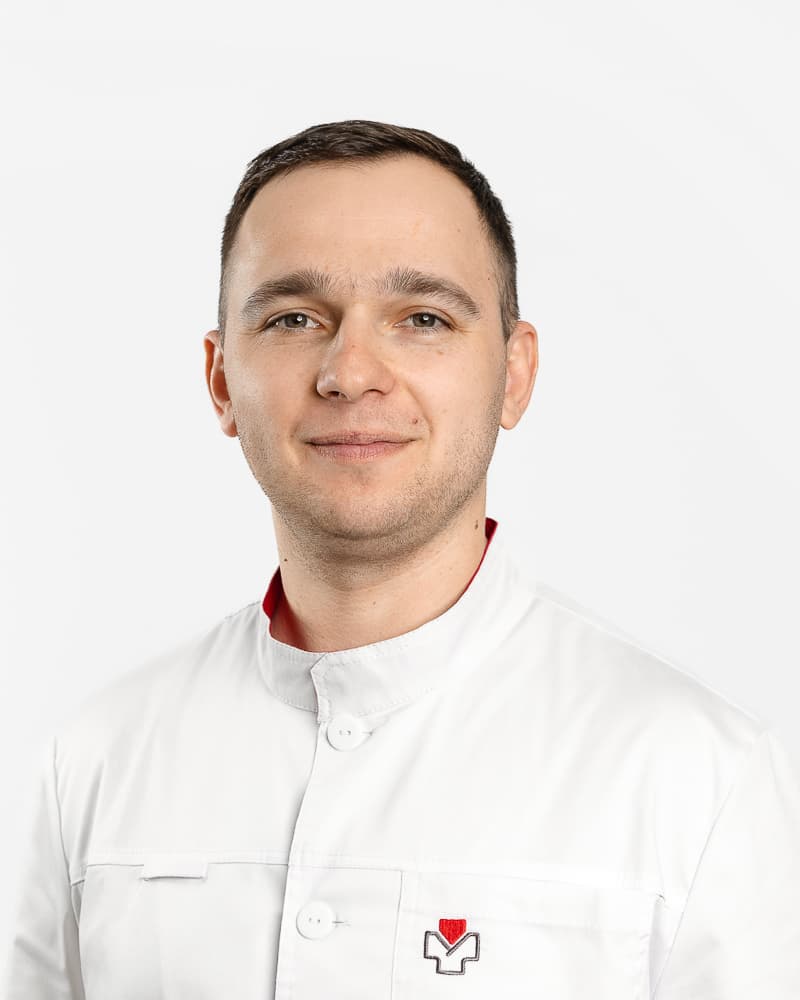


Koziy Nina Ihorivna
Endocrinologist

Hormones regulate the function of nearly every organ and system in the body. They influence metabolism, energy levels, body weight, sleep, emotional well-being, reproductive health, growth, development, and the body’s ability to adapt to change. Even subtle hormonal imbalances can gradually affect how you feel and your quality of life, often remaining unnoticed for a long time. At Doctor Sam Medical Center, an endocrinology consultation involves a comprehensive assessment of the endocrine system, advanced diagnostics, and an individualized approach to each patient.
Endocrinologist
Endocrinologist, Therapist
Ultrasound doctor
Surgeon, Ultrasound doctor
Therapist, Ultrasound doctor
Ultrasound doctor
Ultrasound doctor
You can schedule an endocrinologist consultation by calling +380 97 312 92 91 or by submitting a request through our website. Information about the medical center's opening hours and additional contact options is available on the Contacts page. Doctor Sam Medical Center is located at 1 Kiltseva Road, Kyiv (Respublika Park Shopping Mall).
If you already have the results of hormone tests, laboratory investigations, thyroid ultrasound, or previous medical consultations, we recommend bringing them to your appointment. This will help the endocrinologist evaluate your condition more efficiently, review changes over time, and develop the most appropriate diagnostic or treatment plan.
If you are living abroad or are unable to visit the medical center in person, you can begin with an online consultation with a family doctor. Based on the consultation, the doctor will recommend the appropriate next steps and, if needed, refer you to an endocrinologist.
An endocrinologist specializes in the prevention, diagnosis, and treatment of disorders affecting the endocrine system – the network of glands that produce hormones and regulate virtually every process in the body. Hormonal disorders can affect metabolism, blood sugar levels, body weight, cardiovascular health, reproductive health, bone health, the nervous system, and overall well-being. The most common conditions treated by an endocrinologist include:

Hormonal disorders do not always cause obvious symptoms. In many cases, they develop gradually, and the first signs are often mistaken for stress, fatigue, aging, or lifestyle changes. If certain symptoms persist or keep recurring, it is worth consulting an endocrinologist. Early evaluation can help identify endocrine disorders at an early stage, determine the underlying cause of your symptoms, and provide timely treatment. An endocrinologist consultation is recommended if you experience:


The recommended diagnostic work-up depends on your symptoms, previous test results, age, medical history, and the suspected cause of the hormonal imbalance. The goal of the evaluation is to assess how well your endocrine system is functioning as a whole. Depending on your clinical condition, an endocrinologist may recommend: