

Insertion of an intrauterine contraceptive device (including the cost of a hormonal IUD)
A hormonal intrauterine device (IUD) helps prevent unintended pregnancy without the need to take contraceptive pills every day. It offers the opportunity to choose a contraceptive method that suits your lifestyle, health needs and reproductive plans.
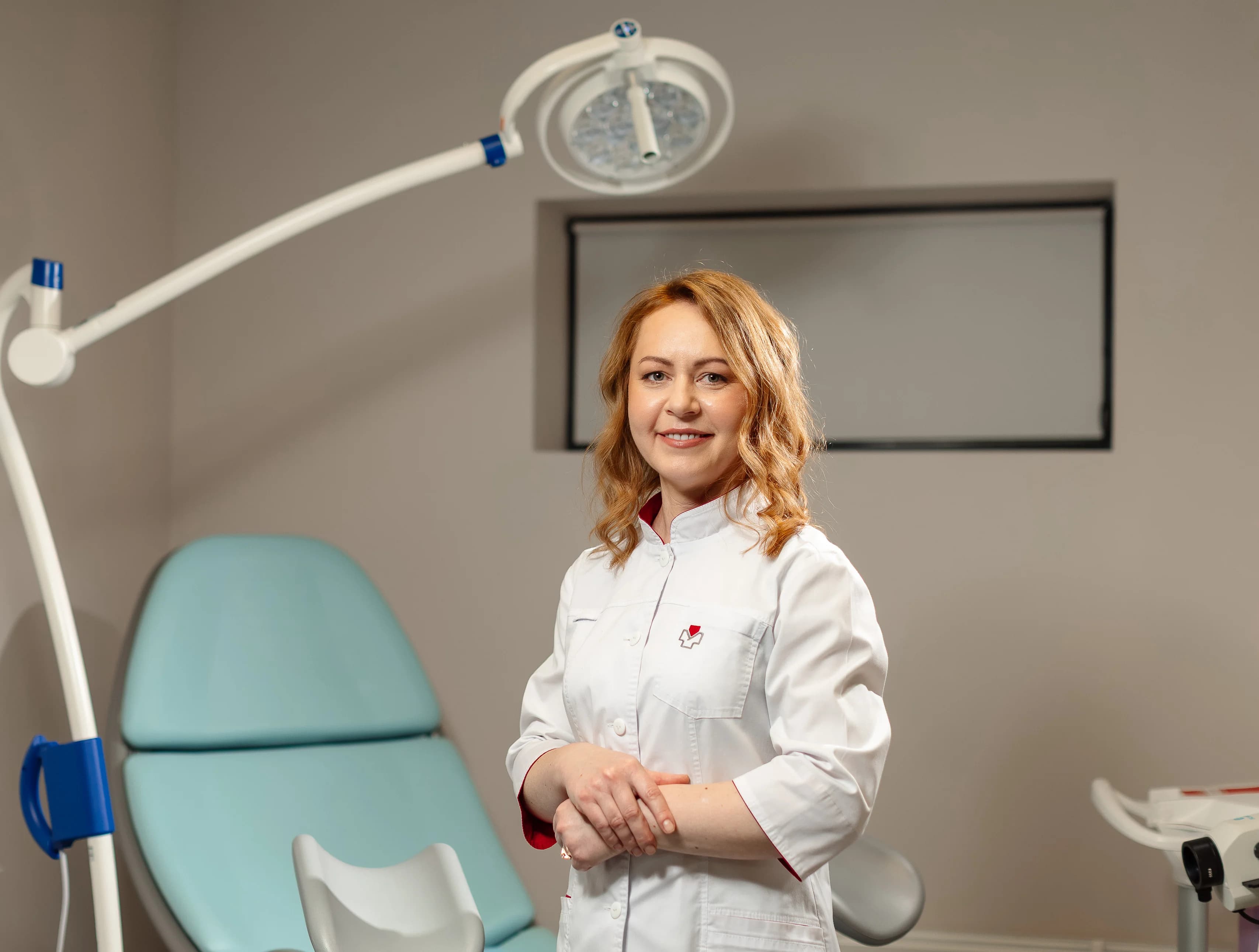
What is a hormonal IUD and how does it work?
A hormonal intrauterine device (IUD) is a small, flexible device that a doctor inserts into the uterus to prevent unintended pregnancy. It gradually releases a small amount of the hormone levonorgestrel, which thickens cervical mucus, making it harder for sperm to reach an egg.
Unlike contraceptive pills, a hormonal IUD does not require daily use. It provides long-term contraception and can be removed by a doctor whenever needed. The ability to become pregnant returns after removal.
A hormonal IUD offers a long-term contraceptive option without the need to manage contraception every day.

Specialists

Halenko Rymma Oleksandrivna
Ultrasound doctor, Obstetrician-gynecologist

Yarosh Oksana Ivanivna
Obstetrician-gynecologist, Ultrasound doctor

Zahrebelna Liudmyla Hryhorivna
Obstetrician-gynecologist, Ultrasound doctor

Lytvyn Yana Yuriivna
Ultrasound doctor, Pediatric gynecologist, Obstetrician-gynecologist

Oliinyk Anna Oleksandrivna
Obstetrician-gynecologist, Ultrasound doctor
How to prepare for IUD insertion and what to expect afterwards
Before having a hormonal intrauterine device (IUD) inserted, it is important to discuss your health, menstrual cycle and reproductive plans with your gynaecologist. Your doctor will perform the necessary examination and determine whether any additional tests are needed to assess your suitability for the procedure. Be sure to mention any possibility of pregnancy, unusual vaginal bleeding, symptoms of infection, chronic conditions or medicines you take.
During and after insertion, you may experience cramping in your lower abdomen and light bleeding or spotting. Your periods may also be irregular during the first few months and often become lighter over time. You can discuss potential discomfort and available pain-management options with your doctor before the procedure.
After insertion, follow your doctor's individual recommendations regarding follow-up appointments and additional contraception. Seek medical attention if you experience severe or worsening pain, a high temperature or unusually heavy bleeding.
Benefits of a hormonal IUD
- A hormonal IUD is one of the most effective methods of contraception, with an effectiveness rate of over 99% at preventing pregnancy.
- Once inserted, the device provides protection against pregnancy for several years. The exact duration depends on the specific device.
- Unlike contraceptive pills, a hormonal IUD does not require daily medication or the need to remember your next dose.
- There is no need to take additional contraceptive action immediately before sex, making contraception easier to manage in everyday life.
- Many women find that their periods become lighter after having a hormonal IUD inserted. Some stop having periods altogether.
- A hormonal IUD may also help reduce menstrual pain, which can be particularly beneficial for women with painful periods.
- Before insertion, your gynaecologist will assess your health, consider any potential contraindications and help you decide whether this method is right for you.
- If you decide to try for a pregnancy or switch to another contraceptive method, your doctor can remove the IUD. Fertility generally returns promptly after removal.
Who is a hormonal IUD suitable for?
A hormonal IUD may be a suitable option for women looking for reliable contraception that lasts for several years without the need to take a daily pill. It can be considered whether or not you have given birth before. Your overall health, menstrual cycle and future pregnancy plans are important factors when choosing this method.
There are certain medical conditions in which hormonal IUD insertion may not be recommended or may need to be postponed. Before the procedure, your gynaecologist will assess any potential contraindications and help you decide whether this method is right for you or whether another contraceptive option would be more suitable.

Frequently asked questions
Is hormonal IUD insertion painful?
Can I have a hormonal IUD if I have never given birth?
How long does a hormonal IUD last?
Will my periods change after insertion?
How soon does a hormonal IUD start working?
Who should not have a hormonal IUD?
Does a hormonal IUD protect against sexually transmitted infections?


