

Incision and drainage of a felon or paronychia in children
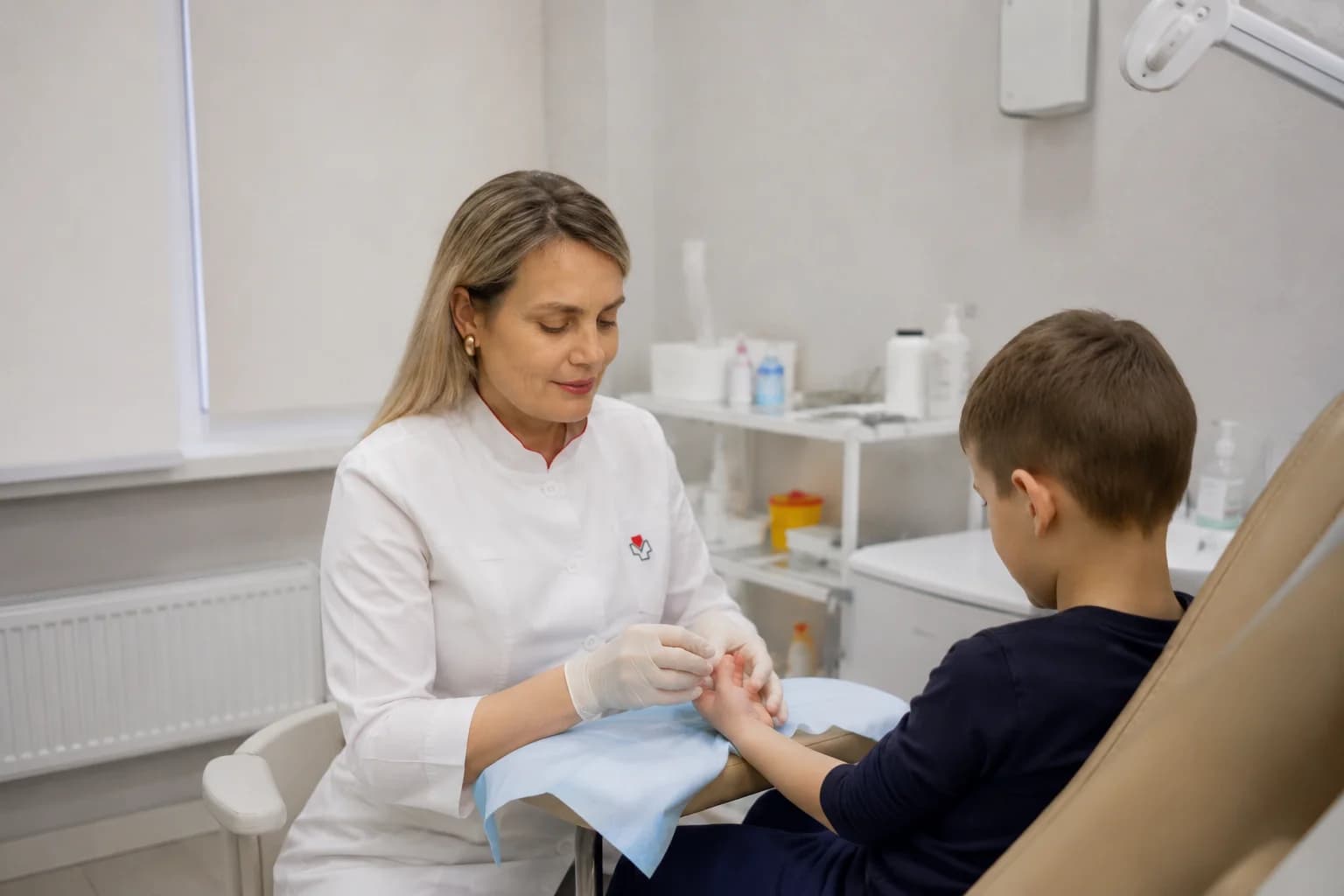
A felon and paronychia are purulent infections that affect the tissues of the finger or the area around the nail. In children, they may cause redness, swelling, pain, and the accumulation of pus. If a collection of pus has formed, the surgeon may perform an incision and drainage procedure to allow the contents to drain and provide further treatment.
Why can a child develop a felon or paronychia?
- hangnails and tiny cracks in the skin around the nail
- cutting the nails too deeply or damaging the cuticle
- biting nails or picking at hangnails
- a splinter, cut, or other injury to the finger
- bacteria entering through damaged skin
- an ingrown edge of the nail
- repeated injury to the finger or nail fold
- thumb or finger sucking, especially when the skin around the nail is constantly irritated

Specialists

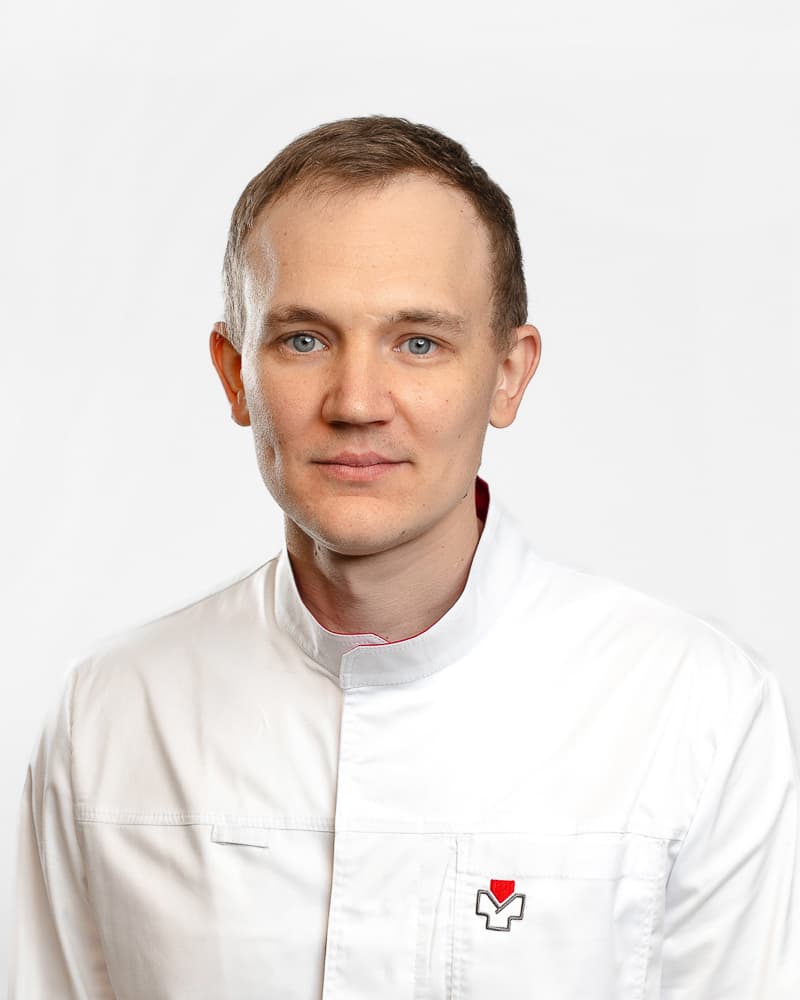
Bosyy Oleh Anatoliyovych
Ultrasound doctor, Surgeon
FAQ
When should a child see a surgeon?
Redness around the nail can quickly develop into a purulent infection. Particular attention is needed if the pain becomes more severe, the finger becomes swollen, throbbing develops, or the child is no longer able to use the finger normally. Visible pus, redness spreading to the surrounding tissues, or fever are also reasons for a medical assessment.
The longer pus remains confined within a closed space, the greater the pressure within the tissues and the more intense the pain may become. During a paediatric surgeon consultation, the doctor determines whether conservative treatment can be continued or whether a collection of pus has formed and requires incision and drainage.
How are a felon or paronychia treated with incision and drainage?
First, the paediatric surgeon examines the finger and determines the exact location of the collection of pus. This is important because the infection may be limited to the area around the nail or may extend into other tissues of the finger.
The procedure is performed using appropriate anaesthesia. After antiseptic preparation, the surgeon makes a small incision at the site of the pus collection, allows the pus to drain, and treats the affected area. If necessary, a drain may be placed to prevent the wound from closing too early and to allow continued drainage.
After the procedure, parents receive recommendations on dressings, wound care, and follow-up. If the infection is associated with a nail problem, further treatment may require a different surgical approach, so the surgeon evaluates the condition of the finger as a whole.
Is the procedure painful for a child?
With a felon or paronychia, the inflammation itself is often the most painful part: swelling and pressure within the tissues can cause pain even at rest. Before the incision is made, the doctor uses anaesthesia to minimise discomfort during the procedure.
The method of anaesthesia depends on the child’s age, the location of the infection, and the extent of the procedure. Once the pus has drained, the pressure within the tissues decreases, which may help relieve pain. During the following days, it is important to follow the doctor’s recommendations for wound care.
Booking a paediatric surgeon consultation
If your child has pain, swelling, redness, or pus in or around a finger or near the nail, it is important to have the area assessed before the infection spreads deeper into the tissues. A paediatric surgeon will examine your child, determine the nature of the infection, and choose the appropriate treatment.
To book a consultation, call +380 97 312 92 91. Visit Doctor Sam at Respublika Park Shopping Mall – 1 Kiltseva Road, Kyiv, near Teremky Metro Station.


