

Pediatric surgeon consultation
A pediatric surgeon helps to timely identify conditions that may require surgical treatment, monitoring, or additional diagnostics. During the consultation, the doctor evaluates changes in the skin and soft tissues, the presence of swelling, hernias, inflammatory processes, tumors, consequences of injuries, or congenital abnormalities. Parents are advised to consult a pediatric surgeon in cases of pain, lumps, redness, enlarged lymph nodes, abdominal discomfort, or any other changes that cause concern.

Symptoms that require consultation with a pediatric surgeon
- persistent or worsening abdominal pain
- ingrown toenail
- appearance of lumps or firm masses under the skin
- suspected hernia (umbilical or inguinal)
- redness, swelling, or increase in skin temperature
- purulent skin lesions (boils, abscesses)
- sudden enlargement or tenderness of lymph nodes
- abdominal pain accompanied by nausea or vomiting
- fever without an obvious cause combined with pain
- abdominal asymmetry or bulging in the groin/umbilical area
- soft tissue injuries with skin damage
- any suspicious lesions that change in size or shape
Acute abdominal conditions in children: when is an urgent surgical consultation needed?
Acute abdominal conditions in children require prompt evaluation and timely medical attention. These conditions may include appendicitis, intestinal obstruction, incarcerated hernias, inflammatory diseases of the abdominal organs, and other surgical disorders. While abdominal pain is common in childhood and is not always a sign of a serious problem, certain symptoms may indicate an urgent condition that should not be ignored.
Parents should pay particular attention to severe or worsening abdominal pain, nausea, vomiting, fever, loss of appetite, pronounced weakness, or abdominal tenderness and rigidity. In younger children, symptoms may be less specific and can present as unusual irritability, persistent crying, restlessness, or a sudden change in behavior. If any of these signs occur, it is important to seek medical evaluation as soon as possible. A pediatric surgeon can determine the underlying cause of the symptoms and recommend the most appropriate treatment plan.
Specialists
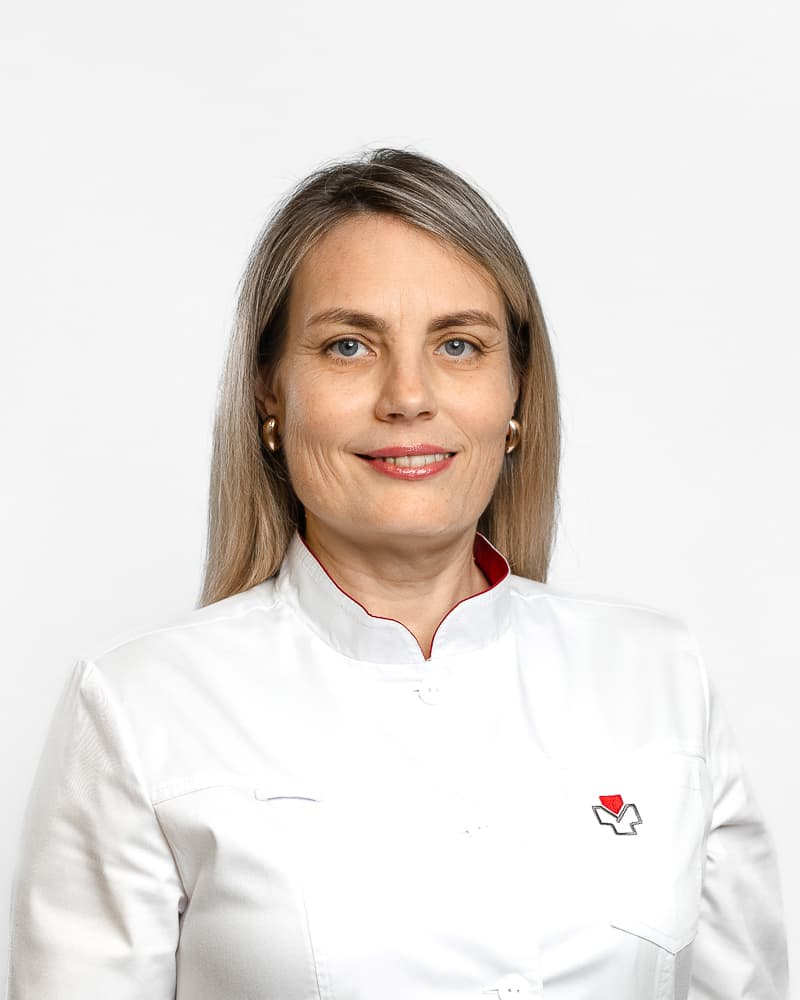
Gorelik Valeria Volodymyrivna
Pediatric surgeon, Pediatric orthopedic traumatologist

FAQ
What can pain on the right side of the abdomen in a child indicate?
Pain on the right side of the abdomen in children does not always indicate a serious condition, but this area is commonly associated with acute appendicitis and therefore requires careful attention.
In addition to the appendix, possible causes may include enlarged mesenteric lymph nodes after a viral infection, intestinal disorders, constipation, or even muscle strain after physical activity. In younger children, symptoms are often less specific – the pain may begin around the navel and later shift to the lower right side.
Warning signs include increasing pain, loss of appetite, lethargy, and fever. In such cases, it is important to seek a surgical evaluation without delay.
When do enlarged lymph nodes in a child require removal?
In most cases, enlarged lymph nodes in children are a normal immune response to infection and do not require surgical removal. Surgical intervention is considered only when a lymph node remains chronically enlarged, becomes painful, changes its structure, or appears suspicious on ultrasound examination. Another indication may be suppuration or abscess formation when a cavity filled with pus develops inside the lymph node. In such situations, the doctor carefully evaluates the risks and determines the most appropriate management strategy individually – from observation to minimally invasive surgical treatment.
Boils in children: when home care is enough and when a surgeon is needed?
A boil is a purulent inflammation of a hair follicle most commonly caused by a bacterial skin infection in children. At the early stage, it usually appears as a painful red swelling with firmness beneath the skin. Over time, a purulent core forms, and the affected area may increase in size. In some cases, a boil drains spontaneously, but this is not always safe. Consultation with a pediatric surgeon is recommended if the lesion grows rapidly, causes significant pain, is accompanied by fever, or is located on the face or neck. Squeezing or attempting to drain the boil at home is strongly discouraged, as it increases the risk of spreading the infection.
Hernia in a child: what parents should know?
Hernias in children most commonly appear as a soft bulge in the umbilical or groin area that may become more noticeable during crying, coughing, or physical strain. In some children, umbilical hernias may close spontaneously as the abdominal wall muscles strengthen with growth. However, inguinal hernias usually do not resolve on their own and often require surgical treatment. The most important point is not to delay medical evaluation if the bulge suddenly enlarges, becomes painful, or turns firm. These signs may indicate incarceration, a condition that requires urgent medical attention.
If you suspect that your child may need consultation with a pediatric surgeon, it is important not to postpone medical evaluation. Timely examination helps identify potentially serious conditions early and reduces the risk of complications. At our medical center, children can receive urgent pediatric surgical care, professional examination, and additional diagnostic support in comfortable conditions. Doctor Sam Medical Center is located at 1 Kiltseva Road, Kyiv (Respublika Park Shopping Mall). Appointments are available by phone at +380 97 312 92 91.
Ваш перший крок
Залиште ваші контактні дані. Ми зв’яжемося з вами найближчим часом.