

Ophthalmogeneticist consultation
An ophthalmic geneticist specialises in diagnosing inherited eye conditions and vision disorders associated with genetic factors. During the consultation, the doctor assesses the visual system, reviews the family medical history, identifies potential hereditary risks and, when necessary, selects an appropriate genetic test and explains its results. Consultations are available for both children and adults at Doctor Sam Medical Centre in Kyiv.
What does an ophthalmogeneticist investigate?
Inherited eye conditions may become apparent during childhood or develop symptoms later in adulthood. These include genetically determined retinal dystrophies, congenital eye abnormalities, certain forms of cataracts and optic nerve disorders. In some cases, vision problems affect several members of the same family. However, the absence of a family history does not rule out a genetic cause.
An ophthalmogeneticist assesses visual health by considering the patient's family history, symptoms and previous examination results. When indicated, the specialist may recommend genetic testing to help identify the underlying cause of the condition, clarify the diagnosis, assess the risk of inheritance and determine an appropriate monitoring plan for the patient and their family.

Specialists

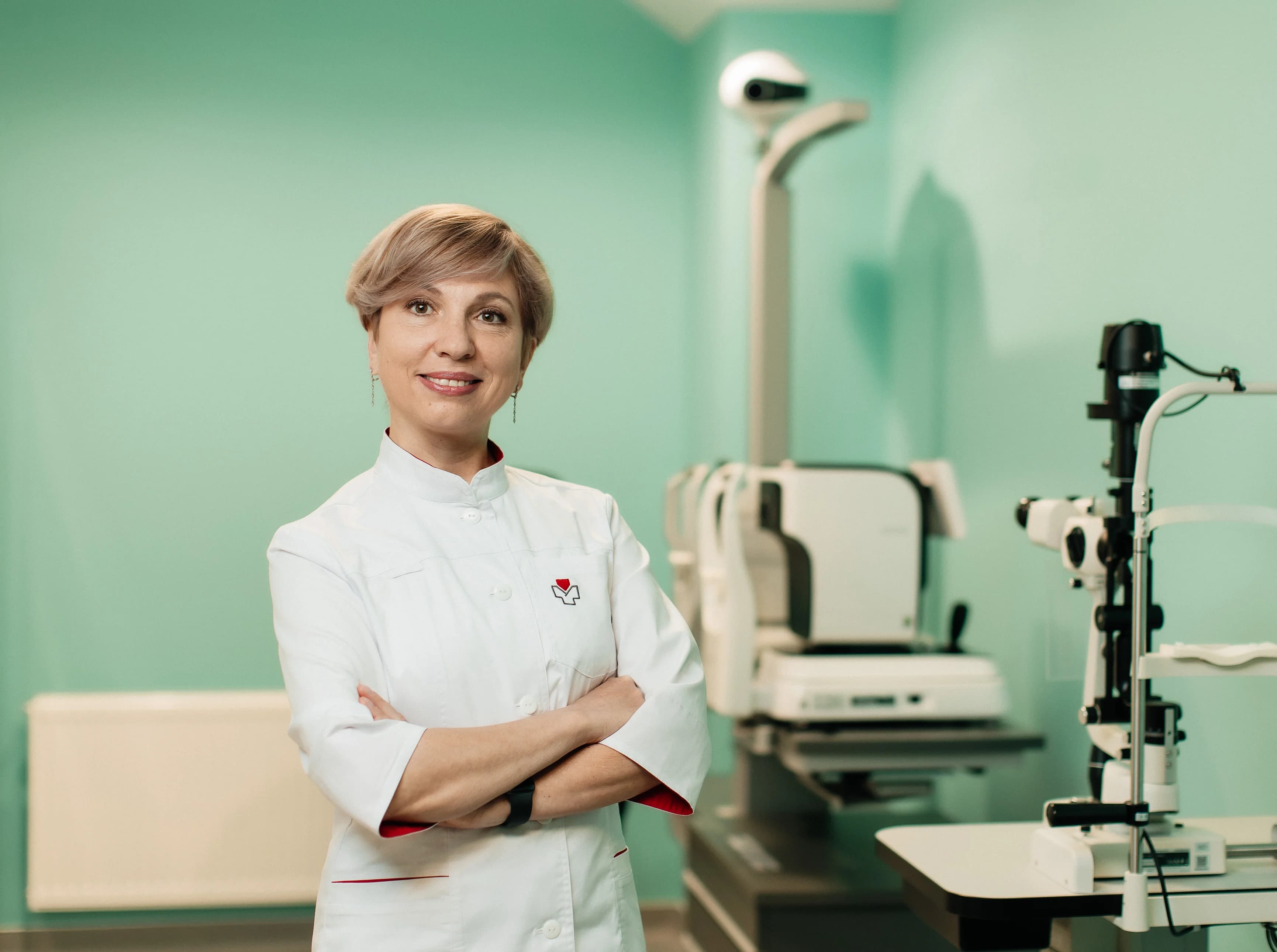
Savina Olena Mykhailivna
Pediatric ophthalmologist, Ophthalmic geneticist, Ophthalmologist
How an ophthalmogeneticist consultation works
During the initial consultation, the doctor reviews the patient's medical history and establishes when the vision problems first appeared, how they have progressed and whether any ophthalmological or genetic investigations have previously been performed. Previous diagnoses and examination results are important, so patients are encouraged to bring relevant medical records.
Family medical history is also discussed in detail. The doctor asks whether close relatives have had eye conditions, vision loss or diagnosed genetic disorders. This information helps assess possible inheritance patterns and identify any additional details that may need to be investigated.
Depending on the clinical situation, the consultation may include a review of previous ophthalmological findings and diagnostic test results. If the available information is insufficient to clarify the diagnosis, the doctor may recommend further investigations or consultation with other specialists.
Following the appointment, the patient receives an explanation of the findings, their possible association with genetic factors and the recommended next steps. If genetic testing is indicated, the doctor explains its purpose, potential benefits and limitations.
Additional examinations and consultations
Why identifying the genetic cause of an eye condition matters
Genetic testing helps identify the cause of inherited vision disorders, clarify the diagnosis and assess the likely course of the condition. This is particularly important in retinal dystrophies, as similar symptoms may result from changes in different genes. The results may influence further monitoring and treatment decisions. For example, gene therapy is available for certain forms of inherited retinal dystrophy associated with the RPE65 gene. Genetic confirmation of the diagnosis is required to determine eligibility for this treatment. Genetic testing is also relevant to the patient's family. It can help establish the inheritance pattern, assess potential risks for future children and determine whether other relatives may need testing.
Frequently asked questions
When should I see an ophthalmogeneticist?
Which eye diseases can be inherited?
What symptoms may indicate an inherited eye disease?
Do I need genetic testing if eye diseases run in my family?
Can inherited eye diseases be treated?
How can I book an ophthalmogeneticist consultation in Kyiv?


