

Gastroenterologist consultation
Abdominal pain, heartburn, bloating, nausea, changes in bowel habits or abnormal test results may be associated with various digestive system disorders. A gastroenterologist consultation can help identify the possible cause of your symptoms, assess the results of previous examinations and, when necessary, determine which additional diagnostic tests are needed. Based on the consultation, the doctor will determine the next steps and select the appropriate treatment.
What conditions does a gastroenterologist treat?
- Gastritis, gastroduodenitis and other stomach disorders.
- Gastroesophageal reflux disease (GERD), esophagitis and other esophageal disorders.
- Peptic ulcer disease of the stomach and duodenum.
- Irritable bowel syndrome (IBS), constipation, diarrhea and other functional bowel disorders.
- Inflammatory bowel diseases, including Crohn’s disease and ulcerative colitis.
- Liver diseases, including fatty liver disease and abnormal liver function tests.
- Gallbladder and biliary tract disorders, including gallstone disease.
- Pancreatic diseases, including acute and chronic pancreatitis.

Specialists
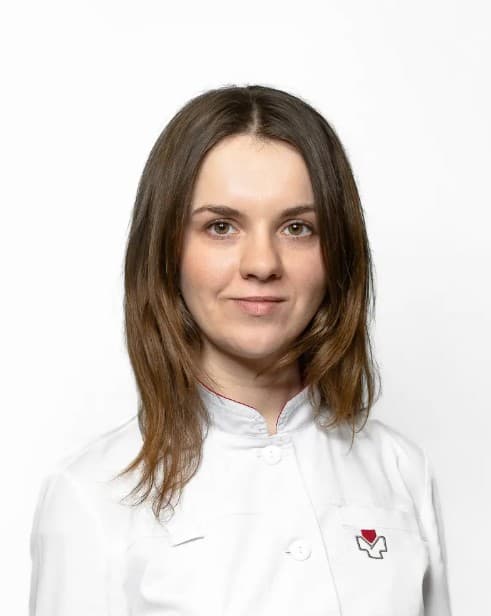
Vitsan Liubov Oleksandrivna
Gastroenterologist
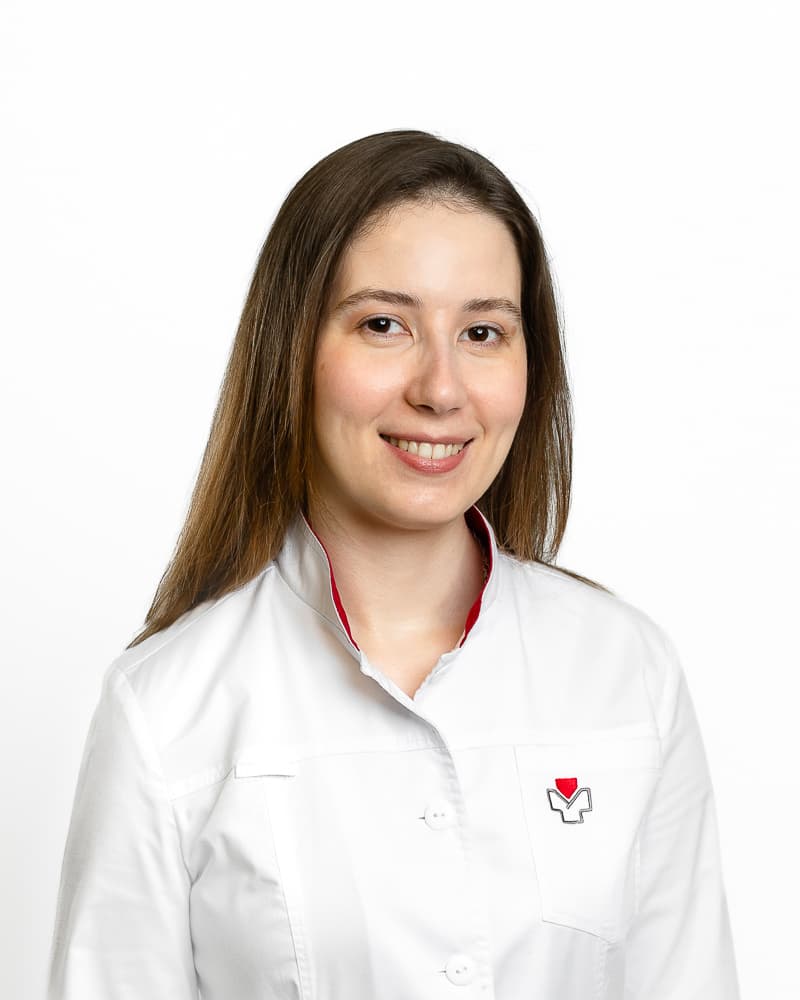
Gurbych Marina Serhiivna
Pediatrician, Pediatric Gastroenterologist
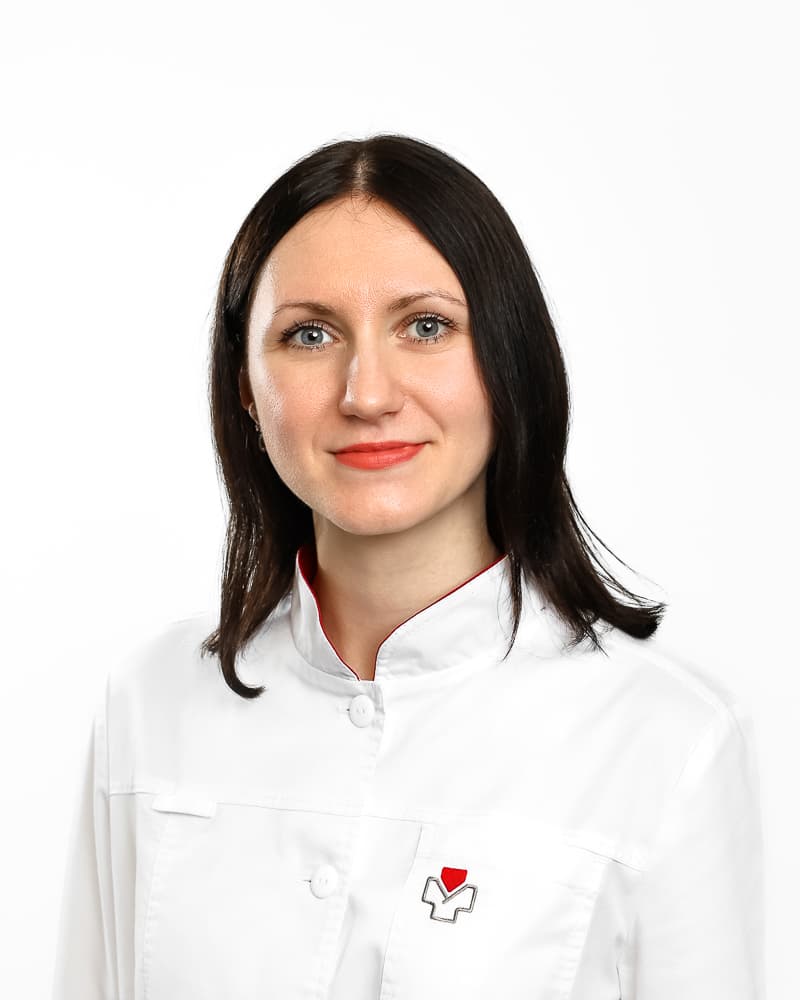
Miroshnychenko Yuliia Vitaliivna
Gastroenterologist, Ultrasound doctor
What should you know before a gastroenterologist consultation?
If you already have blood test results, ultrasound reports, gastroscopy, colonoscopy or other examination results, bring them with you. The doctor will assess them together with your current symptoms and medical history. It is also useful to prepare information about any medications and supplements you take, previous illnesses, surgeries and known allergies.
During the consultation, it is important to describe when your symptoms began, how often they occur, whether they are related to meals, physical activity or particular foods, what makes them worse and what provides relief. Even symptoms that seem minor or unrelated to each other may be relevant when assessing the digestive system.
You do not need to have every possible test done before your appointment. After the examination, the gastroenterologist will determine which investigations are appropriate for your particular situation. These may include blood or stool tests, an abdominal ultrasound, gastroscopy, colonoscopy or other examinations.
You do not need to come to a routine gastroenterologist consultation on an empty stomach. If the doctor recommends gastroscopy, colonoscopy or another examination that requires preparation, you will receive specific instructions. Preparation depends on the particular procedure, so you should not change your diet or stop taking medications on your own beforehand.
Do not start treatment on your own simply because you have heartburn, abdominal pain or other symptoms. The gastroenterologist will help interpret the results and, if the infection is confirmed, select the appropriate treatment and follow-up plan.
If your concerns involve not only digestive symptoms but also excess weight, nutrition or metabolic health, your doctor may recommend a comprehensive approach. Doctor Sam also offers a consultation for obesity treatment, where weight, nutrition and related health risks can be assessed separately.
If you are unsure which specialist you need, you can start with a family doctor consultation. The family doctor will assess your symptoms and, when necessary, help determine whether you need a gastroenterologist or another specialist.
Book a gastroenterologist consultation
Choose an appointment time – our administrator will help arrange your visit and answer any questions about preparation
To book a gastroenterologist consultation at Doctor Sam, call +380 97 312 92 91. When contacting us, briefly describe the main symptoms. Our administrator will help you choose an available appointment time and advise you on the appropriate consultation format.
If you already have blood test results, ultrasound reports, gastroscopy, colonoscopy or other examination results, bring them with you. This allows the doctor to take your existing medical information into account and avoid repeating examinations when they are not necessary.
Doctor Sam is located at Respublika Park, 1 Kiltseva Road, Kyiv, near Teremky metro station.
If you prefer to book online, you can also contact us via messengers. All available contact options and up-to-date details are listed on the Doctor Sam Contacts page.


