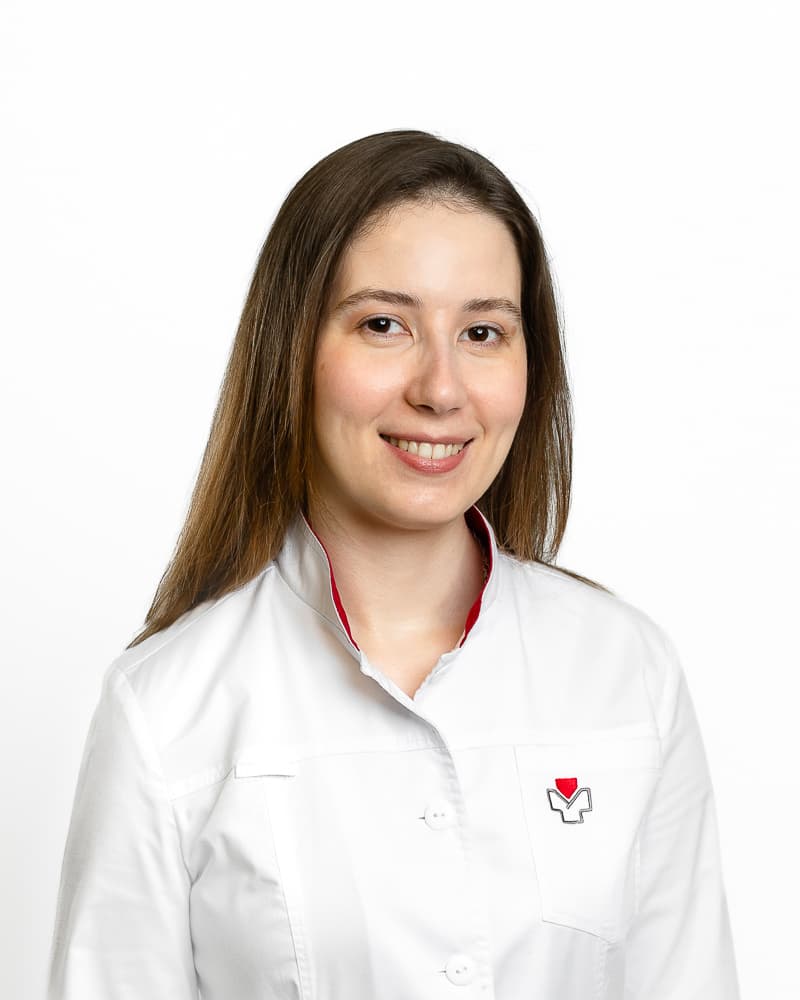


Vitsan Liubov Oleksandrivna
Gastroenterologist

Digestive system disorders often begin with subtle symptoms such as bloating, heartburn, nausea, or abdominal discomfort, which can easily be attributed to dietary habits. If these symptoms become recurrent, worsen, or are accompanied by other symptoms, it is advisable to consult a gastroenterologist.
At Doctor Sam, we assess your symptoms and medical history, determine which examinations are needed, and comprehensively evaluate the results. Our gastroenterologists help identify the underlying cause of digestive disorders, select appropriate treatment, and, when necessary, adjust your diet and lifestyle to manage the condition and prevent recurrent flare-ups.
Gastroenterologist
Pediatrician, Pediatric Gastroenterologist
Ultrasound doctor, Therapist
Ultrasound doctor, Surgeon
Ultrasound doctor
Ultrasound doctor

Nonspecific manifestations such as deterioration in the condition of the hair and nails, skin rashes, anemia, pale skin, or excessive sweating are often accompanied by characteristic symptoms of digestive system disorders. The health of the gastrointestinal tract, liver, pancreas, and gallbladder is fundamental to our overall health and well-being.
An experienced gastroenterologist at “Doctor Sam” will first take a detailed medical history and review the results of previous examinations. If necessary, the doctor will recommend additional diagnostic tests, perform the required instrumental examinations, and collect laboratory samples. Based on the findings, the doctor will establish a diagnosis and develop an individualized treatment plan in accordance with the principles of evidence-based medicine.
The specialists at the medical center treat a wide range of gastrointestinal conditions, including gastroesophageal reflux disease, dyslipidemia, cholecystitis, diseases of the biliary system, Crohn’s disease, ulcerative colitis, and others.
Certain conditions, such as obesity, underweight, vitamin deficiencies, or other metabolic disorders, may require the involvement of additional specialists, including a psychiatrist, cardiologist, endocrinologist, and others. At “Doctor Sam,” highly qualified physicians work as a team to provide a comprehensive approach to your health.


Excess weight isn’t always just a lifestyle issue. The condition stems from complex interactions of genetic, endocrine, metabolic, and psychosocial factors. The first step is to consult a doctor – pediatrician (for children), or internist (for adults) – who can assess overall health and refer you to a specialist. The doctor will be able to assess the patient's general health and refer them to the appropriate specialist.
The numbers on the scale or a visual assessment are not definitive indicators. The doctor will calculate your BMI, assess fat distribution based on the waist-to-hip ratio, and take your medical history. Additional tests are prescribed to clarify the clinical picture:
Treating obesity in your specific case may require input from other specialists, such as a psychologist to assess your relationship with food. Doctor Sam offers comprehensive support, involving qualified cardiologists, surgeons, psychiatrists, psychologists, neurologists, and other experts. They provide prompt consultations for obesity diagnosis and holistic assistance toward full recovery.
The goal of doctors is to identify the causes of weight gain, prevent complications, stabilize metabolic processes, and ensure long-term weight management to improve the patient’s quality of life. If the cause is an unhealthy diet, a gastroenterologist will provide dietary recommendations, advise on physical activity, and may prescribe medications to reduce appetite or improve metabolism.
In cases of psychogenic obesity, a psychologist or psychotherapist can help. They identify the underlying causes of overeating, improve the patient’s emotional well-being, and may prescribe antidepressants.
Symptomatic obesity requires treatment of the underlying disease. For patients with grade III–IV obesity, surgery to reduce the size of the stomach may sometimes be necessary.
Granulomatous colitis, or Crohn’s disease, is a condition in which the body begins to “attack” its own intestines, causing inflammation. It may manifest as persistent abdominal pain, frequent diarrhea, sometimes with blood, weakness, and unexplained weight loss. Symptoms may disappear and then return, reducing the patient’s quality of life.
The disease is difficult to diagnose on your own because its symptoms can resemble those of other gastrointestinal conditions. People often delay seeing a doctor, attributing the symptoms to digestive problems or stress.
Key symptoms of Crohn’s disease requiring medical attention
Is Crohn’s disease treatable, and what methods are used?
Treatment can be conservative or surgical. Initially, the main goal is to stop the inflammatory process and achieve remission. If the disease progresses, surgery may be required, including a colectomy – removal of part or all of the colon. It is most often performed laparoscopically, which helps reduce pain and shorten the recovery period. It is also important to make dietary changes, avoid harmful habits, and have regular follow-ups with a gastroenterologist.
Although Crohn’s disease is a chronic condition, proper treatment and ongoing monitoring can significantly improve quality of life and help achieve long periods of remission, when symptoms disappear or become minimal. Patients can lead active and comfortable lives.