

Surgical treatment of an ingrown toenail, Category III complexity
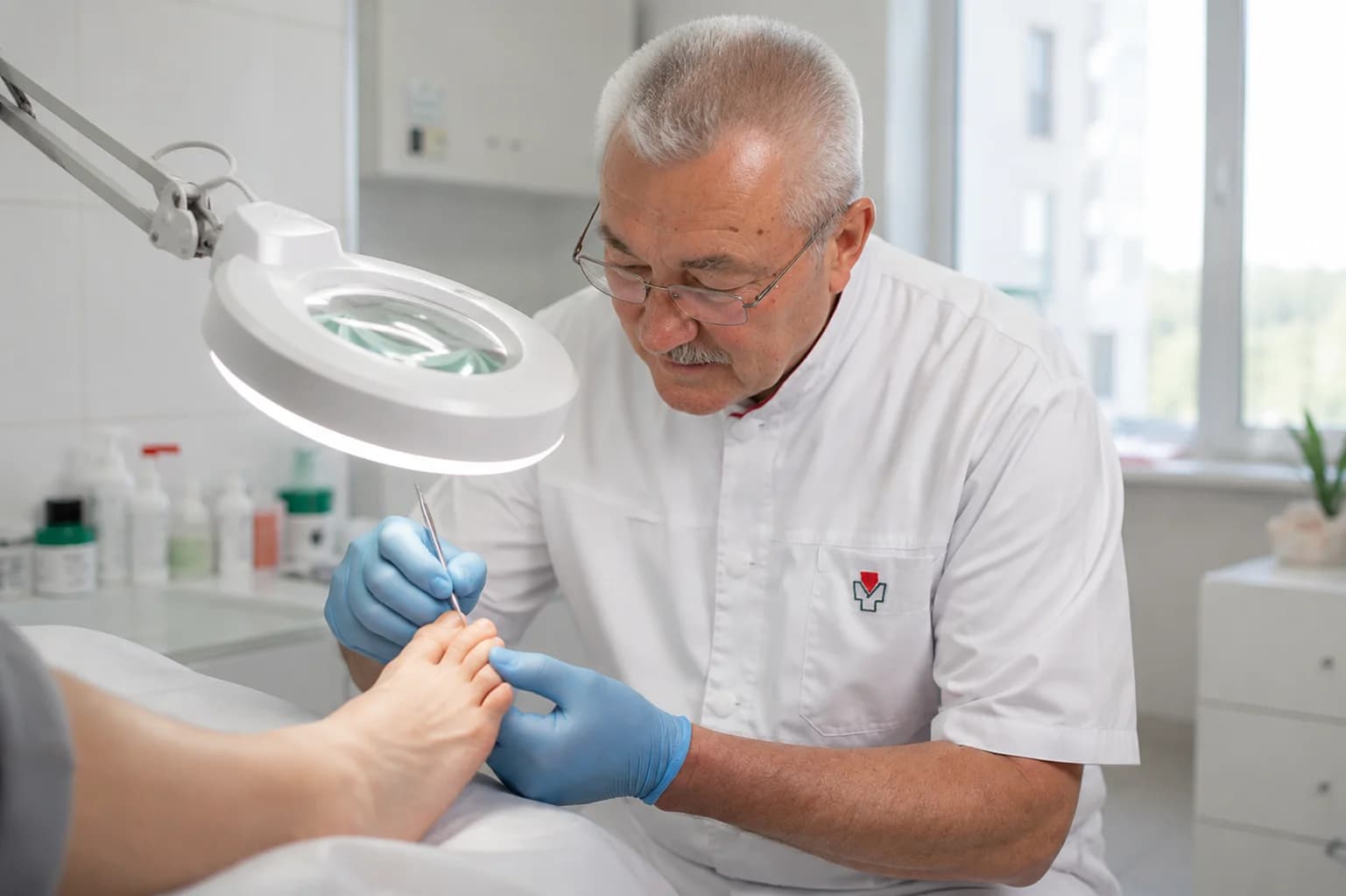
Recurrent ingrowth, changes in the shape of the nail after previous procedures, significant tissue overgrowth, or long-term inflammation can make treatment more complex. In such cases, simply removing the edge of the nail that is injuring the skin may not be sufficient. The surgeon must take into account changes in the nail plate, nail fold, and surrounding tissues resulting from a prolonged or recurrent condition. Surgical treatment of an ingrown toenail, Category III complexity involves a more complex and extensive procedure. The need for this type of treatment is determined individually after an examination.

Specialists
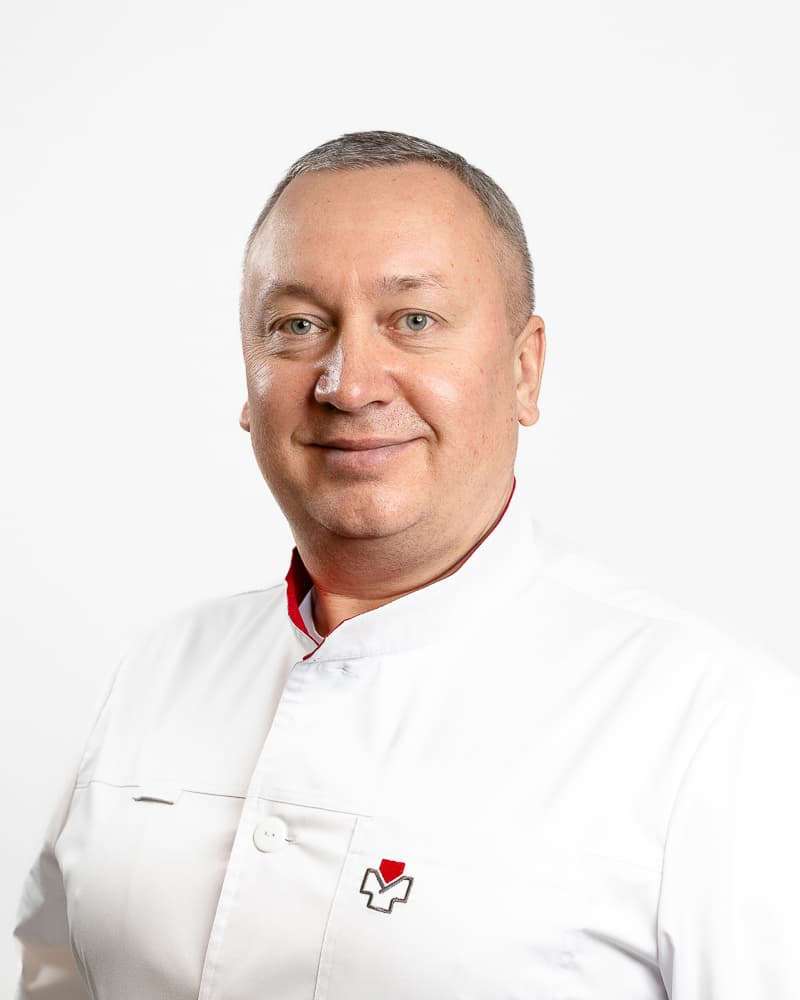
Bosyy Oleh Anatoliyovych
Surgeon, Ultrasound doctor
What can make the treatment of an ingrown toenail more complex?
- Recurrent ingrowth after previous treatment.
- Scar tissue changes following injury or previous procedures.
- Significant overgrowth of granulation tissue.
- Deformity of the nail plate (a curved or otherwise altered nail).
- Long-lasting inflammation.
- Previous treatment that did not eliminate the mechanism causing recurrent ingrowth.
- Involvement of multiple areas of the nail.
- Significant thickening of the nail fold, which may make access to the ingrown edge of the nail more difficult.
FAQ
Why don’t repeated attempts at treatment always solve the problem?
With an ingrown toenail, it may be possible to temporarily reduce pain and inflammation, but this does not always eliminate the cause of ongoing tissue injury. For example, if only a small portion of the nail is removed without considering the direction of its future growth, the new edge may grow back into the nail fold.
The problem can also recur after cutting the nail yourself, incomplete previous treatment, or repeated trauma to the toe. With each episode of inflammation, the surrounding tissues may change: swelling, granulation tissue, and scar tissue can develop, and sometimes the shape of the nail itself may change. As a result, a condition that initially required only minimal intervention may eventually require a different surgical approach.
In such cases, rather than continuing repeated attempts to “cut out the problematic corner,” it is important to determine why the ingrowth keeps recurring and what extent of treatment is actually required.
Booking a consultation and procedure
If an ingrown toenail returns after treatment, the toe remains repeatedly inflamed, or the condition is already accompanied by tissue changes, it is worth consulting a surgeon. During the examination, the doctor assesses the condition of the nail plate, nail fold, and surrounding tissues, while also taking into account the history of the problem and any previous treatment.
Based on the examination, surgical treatment for an ingrown nail (Category I or II complexity) may be recommended. Following the procedure, treatment can be continued through dressings and follow-up consultations with the surgeon, if necessary.
Call +380 97 312 92 91 to book a consultation, or visit Doctor Sam at 1 Kiltseva Road, Respublika Park Shopping Mall, Kyiv, near Teremky Metro Station.


