

Suture removal
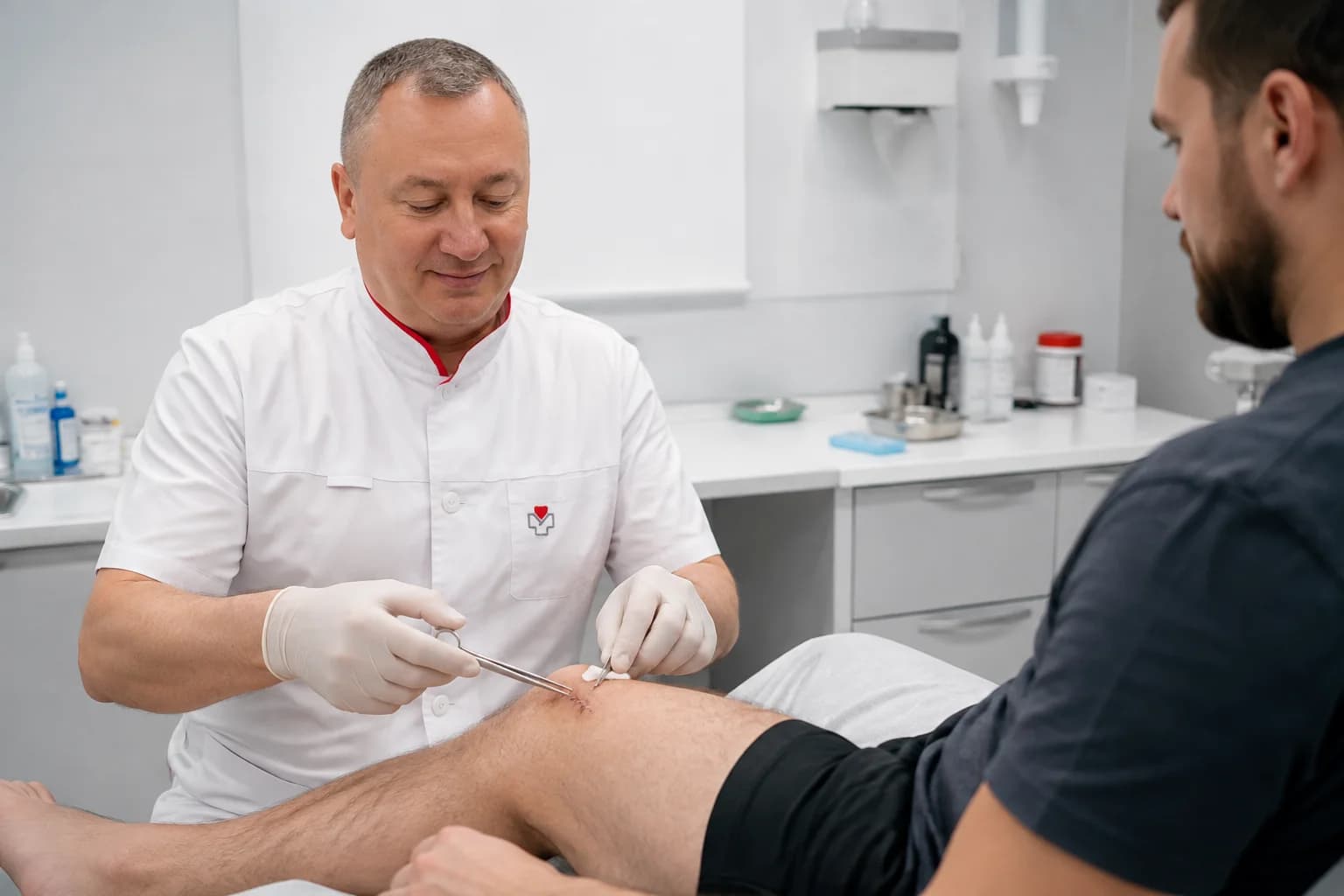
Suture removal is a final step in wound healing, performed after assessing the condition of the wound and determining that the tissues are ready for the sutures to be removed. At Doctor Sam Medical Center, the procedure is performed by a surgeon following surgery, injuries, cuts, and other skin wounds, with the appropriate timing determined individually and postoperative wound care recommendations provided.

Specialists
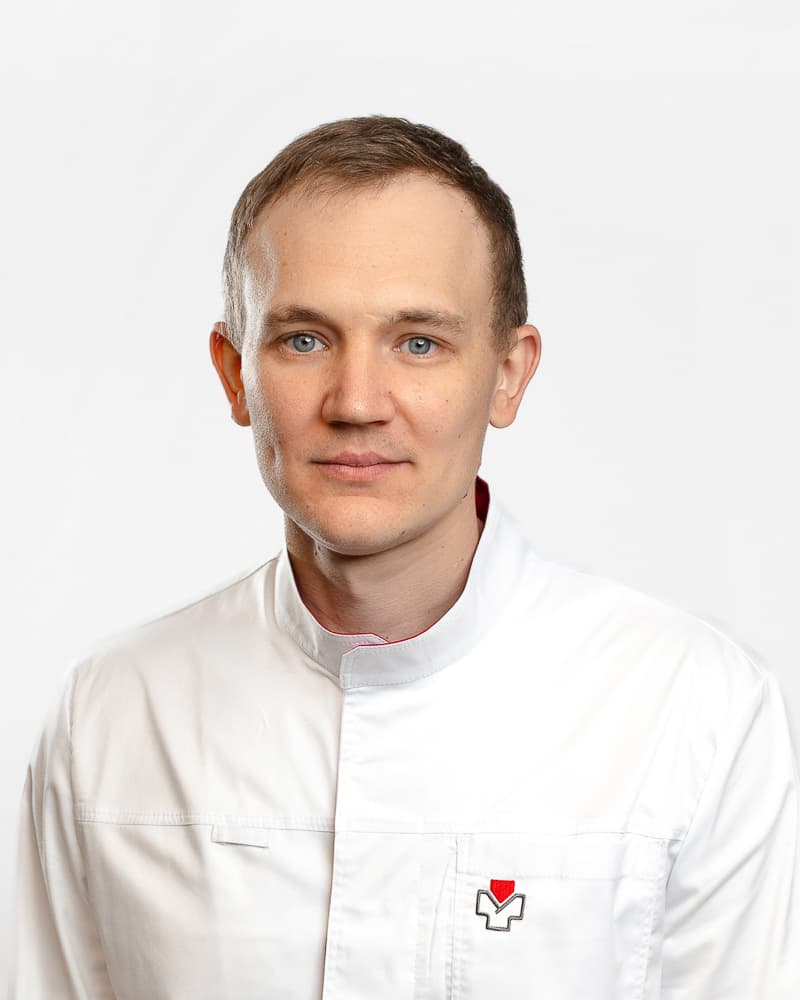
Зеленський Юрій Сергійович
Surgeon, Mammologist
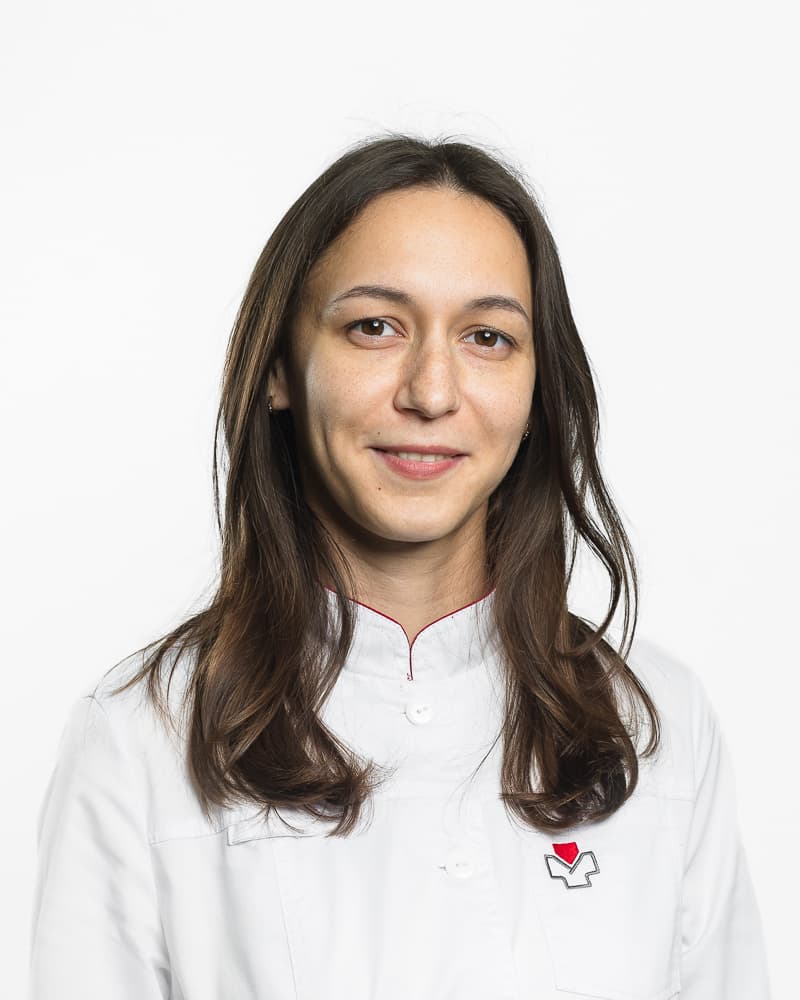
Buryak Nadiya Anatoliivna
Vascular surgeon
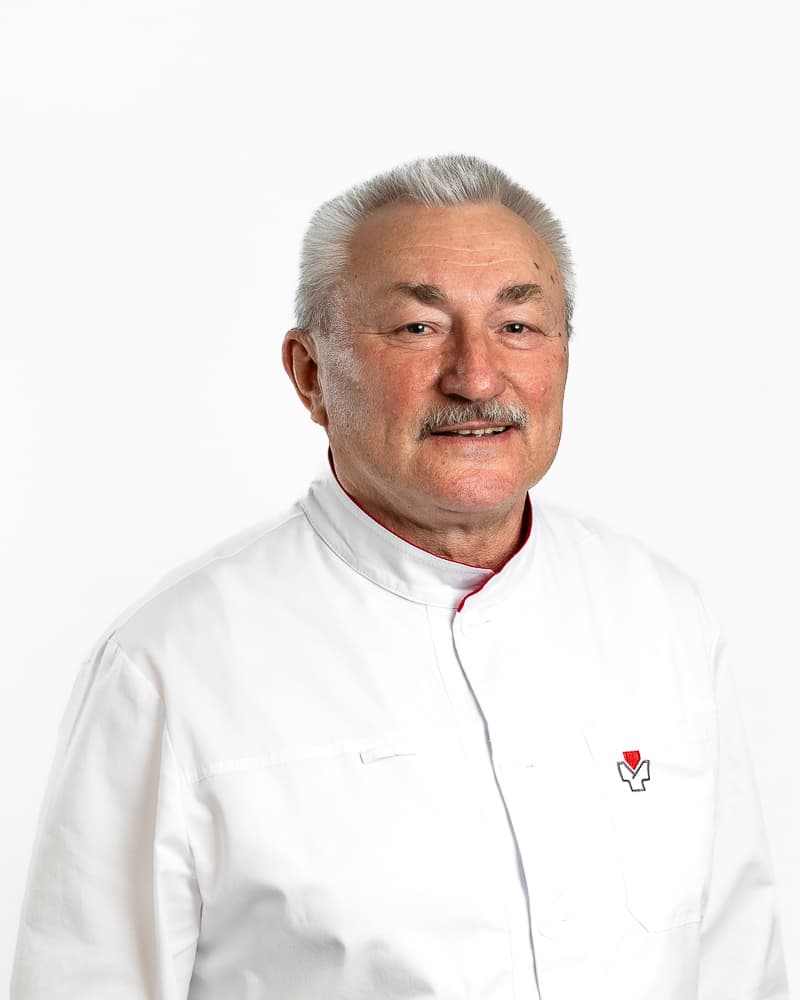
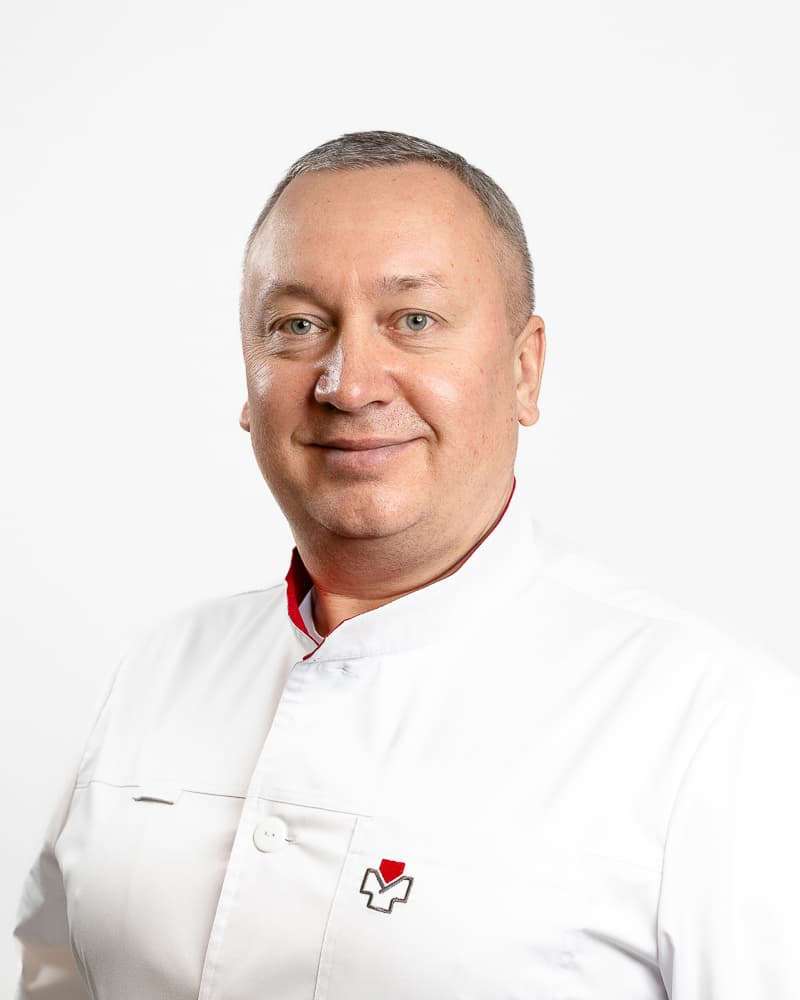
Bosyy Oleh Anatoliyovych
Surgeon, Ultrasound doctor
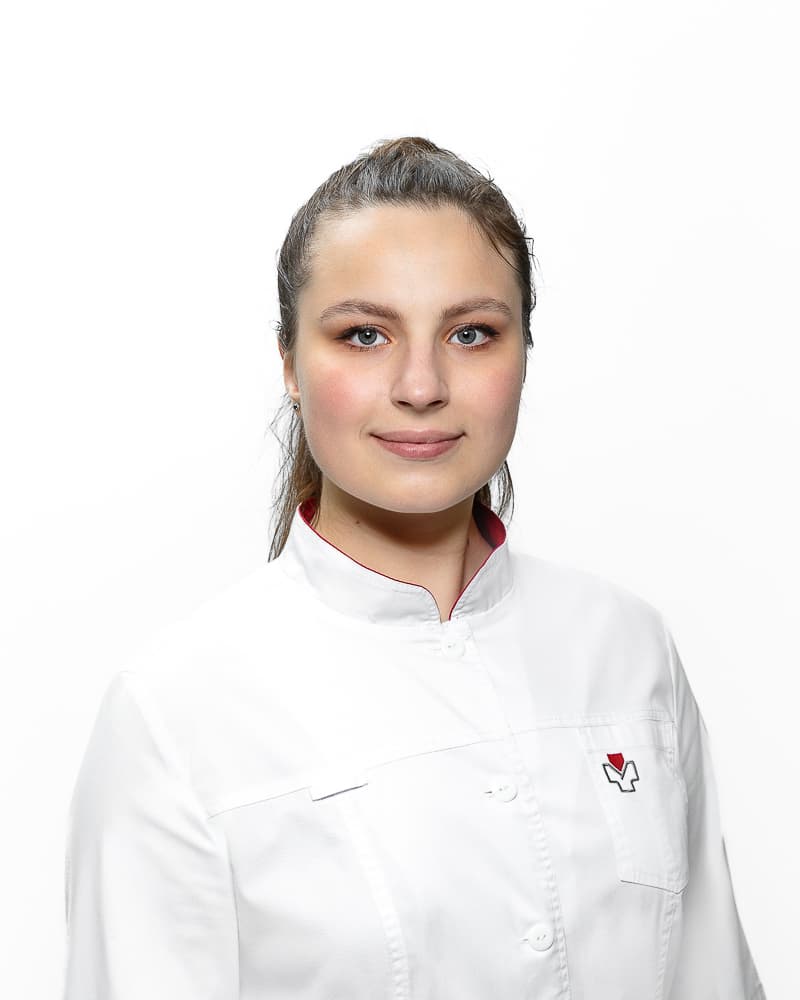
Moroz Diana Oleksandrivna
Mammologist, Surgical oncologist
FAQ
How does suture removal work?
Suture removal begins with an examination of the wound. The surgeon assesses how well the wound edges have healed, checks for redness, swelling, discharge, or other signs of inflammation, and determines whether the tissues are ready for the sutures to be removed. The timing of suture removal depends on the location of the wound, the type of suture material, the nature of the surgery or injury, and the individual healing process, so it is determined on an individual basis.
If the wound has healed properly, the doctor cleans and treats the area and carefully removes the sutures using sterile instruments. The procedure usually takes only a few minutes and does not require anesthesia. You may experience a slight pulling sensation or brief discomfort while the sutures are being removed.
After the procedure, the surgeon examines the wound again and, if necessary, applies special sterile strips to provide additional support to the wound edges or recommends another method of care. Sutures should not be removed independently or based solely on the number of days that have passed since surgery.
What should you do after suture removal?
Even when the skin edges appear closed, the tissues continue to strengthen, so it is important to avoid excessive tension on the area after the procedure.
Follow your surgeon's instructions for wound care after suture removal. Do not rub the former suture site, pick at scabs, or attempt to remove any remaining suture material yourself. If your doctor has recommended a sterile dressing or special strips to support the wound edges, use them according to the instructions provided.
Bathing and contact with water depend on the condition of the wound and your doctor's recommendations. After contact with water, do not rub the area gently pat it dry with a clean towel or sterile gauze instead. Do not apply alcohol, iodine, hydrogen peroxide, ointments, or other products to the wound unless specifically recommended by your doctor, as they may irritate the tissues or interfere with the healing process.
Physical activity after suture removal also depends on the location and nature of the wound. If the sutured area is subject to frequent movement or significant stress, temporarily avoid sports, heavy lifting, and sudden movements. It is particularly important to avoid activities that could place tension on the wound and cause its edges to separate.
Monitor the condition of the skin over the following days. Mild tenderness or moderate discomfort may persist during the healing process. However, increasing pain, worsening redness or swelling, pus or bloody discharge, an unpleasant odor, fever, or separation of the wound edges require medical assessment.
When should you see a surgeon?
If you need to have sutures removed after surgery, an injury, or wound closure, you do not necessarily need to return to the doctor who performed the procedure. At Doctor Sam, a surgeon will first assess the condition of the wound and determine whether it is ready for suture removal.
This is particularly important if you are unsure when your sutures should be removed, did not receive clear postoperative instructions, or have noticed changes around the wound. You can also come for an assessment if the surgery or wound closure was performed at another medical facility.
You can submit an appointment request through our website, call us, or choose a convenient way to contact us via the messengers listed on the Contact page. Our administrators will help you find a suitable time for your wound assessment and suture removal.
Appointments: +380 97 312 92 91 Medical Center Address: Kyiv, 1 Kiltseva Road, Respublika Park Shopping Mall.
Doctor Sam is located near Teremky metro station. From the surgeon's assessment and suture removal to recommendations for further wound healing, all stages can be completed in one place.


