

Nail plate removal (laminectomy)
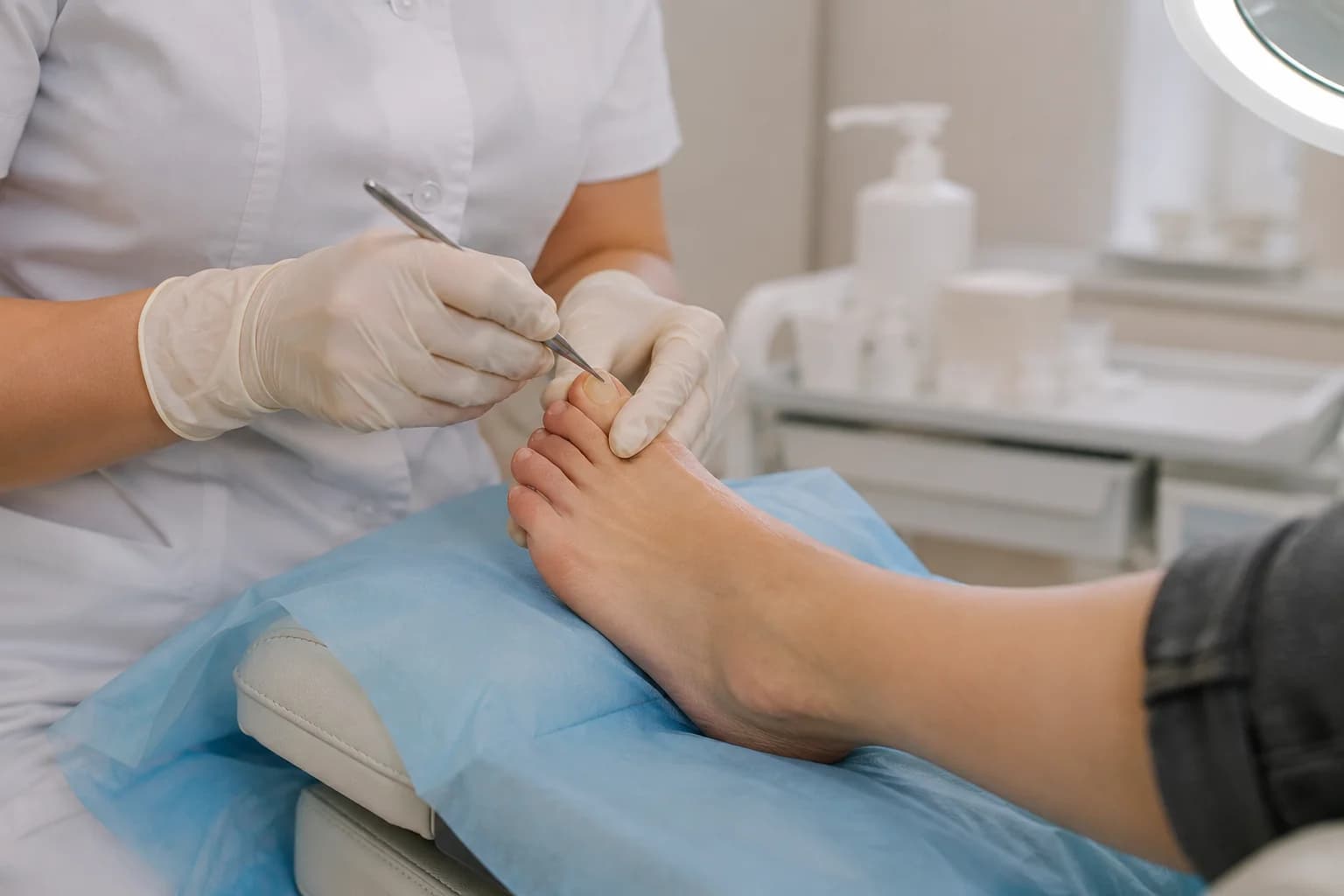
A surgical procedure performed when the nail becomes a persistent source of pain, inflammation, or cannot recover because of trauma or disease. It is most commonly recommended for ingrown toenails, severe nail deformities, chronic inflammation, traumatic nail injuries, or other pathological conditions that cannot be successfully treated with conservative methods. Depending on the clinical findings, the surgeon performs either a partial or complete nail plate removal under local anesthesia and provides individualized postoperative care instructions to support proper healing and recovery.

Specialists
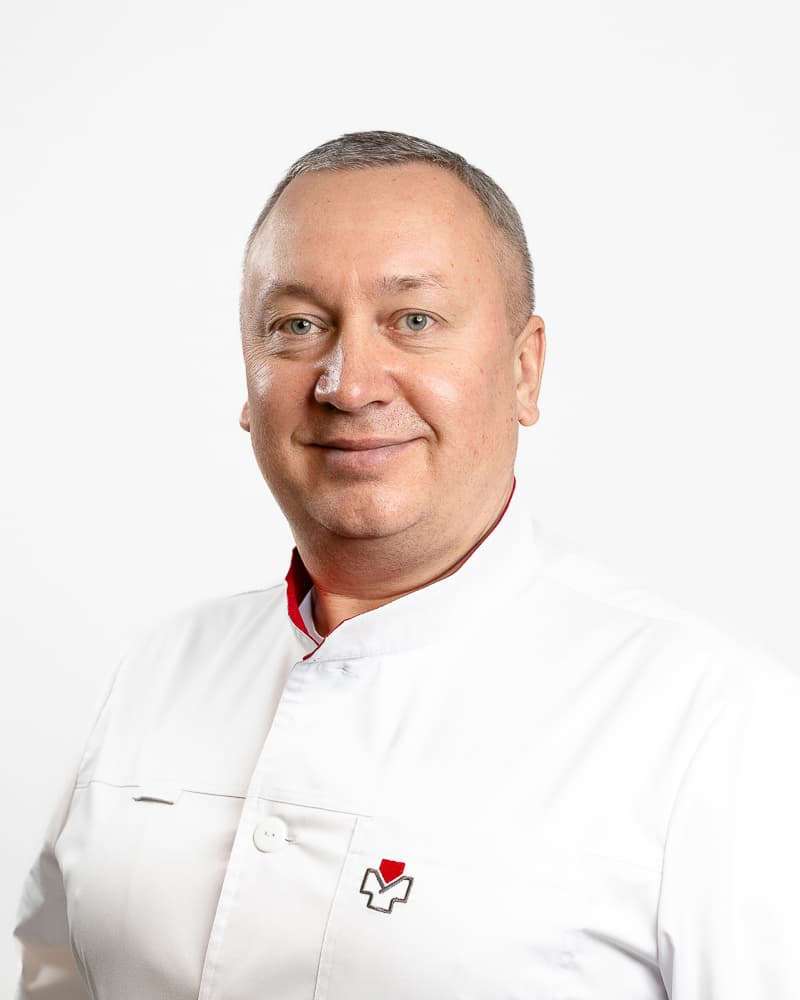
Bosyy Oleh Anatoliyovych
Surgeon, Ultrasound doctor
When is nail plate removal necessary?
- An ingrown nail accompanied by pain, inflammation, or recurrent episodes.
- A traumatic nail injury in which the nail plate has partially or completely detached.
- A severely deformed nail causing pain, discomfort, or impaired nail growth.
- Chronic inflammation around the nail (paronychia) that does not respond to conservative treatment.
- A subungual hematoma or other traumatic nail injuries associated with significant pain.
- A purulent infection involving the nail that requires surgical treatment.
- A fungal nail infection when the nail plate is severely damaged.
- Persistent pain that interferes with walking, physical activity, or everyday tasks.
- Nail disorders in which preserving the nail plate is no longer possible or medically appropriate.
Partial or complete nail plate removal: what is the difference?
The extent of the procedure is determined only after a surgical examination and depends on the underlying condition, the degree of damage to the nail plate, and the surrounding tissues.
Partial nail plate removal is performed when the problem is limited to a specific part of the nail. This is most commonly recommended for an ingrown nail or localized inflammation. During the procedure, only the affected portion of the nail plate is removed while preserving as much healthy tissue as possible. This approach is less invasive, promotes faster healing, and allows patients to return to their normal daily activities sooner.
Complete nail plate removal may be recommended in cases of severe traumatic injury, significant nail deformity, extensive inflammation, certain nail disorders, or other clinical situations where preserving the nail plate is no longer possible. The goal of the procedure is to eliminate the source of pain and inflammation while creating the best conditions for proper tissue healing.
Whenever possible, surgeons aim to preserve as much of the healthy nail plate as the clinical situation allows. If you are unsure whether surgery is necessary following a nail injury, inflammation, or deformity, we recommend scheduling a surgeon consultation. After evaluating your condition, the surgeon will determine the most appropriate treatment approach.
FAQ
Is nail plate removal painful?
The procedure is performed under local anesthesia, so you should not feel pain during the removal of the nail plate. Before the procedure begins, the surgeon numbs the affected finger or toe, ensuring that the treatment is as comfortable and safe as possible.
Once the anesthesia wears off, it is normal to experience mild discomfort or slight pain for a short period following the procedure. Your surgeon will provide detailed instructions on wound care, dressing changes, physical activity, and recovery. If necessary, appropriate medications may also be prescribed to help ensure a comfortable healing process.
What should you avoid after nail plate removal?
- Do not remove the dressing earlier than recommended or change your wound care routine without your surgeon's instructions.
- Do not get the surgical site wet until the first dressing change or for the period specified by your surgeon.
- Do not wear tight or uncomfortable footwear that puts additional pressure on the affected finger or toe.
- Do not engage in strenuous physical activity or sports until the tissues have completely healed.
- Do not attempt to remove any remaining nail fragments or scabs that form during the healing process.
- Do not use ointments, antiseptics, or other medications unless they have been recommended by your physician.
- Do not ignore increasing pain, significant redness, swelling, pus drainage, or fever. If any of these symptoms develop, you should seek medical attention from a surgeon as soon as possible. If you are traveling, living abroad, or unable to visit the medical center, you can receive initial medical advice through an online consultation with a family physician, who can assess your condition and recommend the appropriate next steps.
Will the nail grow back after removal?
In most cases, the nail plate gradually grows back. The rate and quality of regrowth depend on the reason for the procedure, the extent of damage to the nail bed, your body's healing capacity, and how carefully you follow your surgeon's postoperative instructions.
If the nail bed has not been significantly damaged, a new nail usually grows back gradually over the course of several months. In more complex cases, recovery may take longer, and the new nail may differ slightly in appearance from the original one. For this reason, it is important to avoid self-treatment and consult a surgeon promptly to determine the most appropriate treatment plan while preserving as much healthy tissue as possible.
Book a nail plate removal procedure
Pain, inflammation, or nail deformity will not resolve on their own. Delaying treatment may allow the condition to progress, increase pain, and result in a more extensive surgical procedure. The sooner your condition is evaluated by a physician, the greater the chance of preserving healthy tissue.
You can submit an appointment request through our website, call us directly, or choose the communication method that is most convenient for you using the messaging apps listed on our Contact page. Our administrators will help you schedule the earliest available consultation or procedure and answer any organizational questions you may have.
Appointments: +380 97 312 92 91
Doctor Sam Medical Center is located at 1 Kiltseva Road, Respublika Park Shopping Mall, Kyiv, near Teremky metro station. From your initial surgeon consultation and the procedure itself to postoperative follow-up and recovery monitoring, every stage of your treatment can be completed in one place.


