

Breast needle biopsy
A minimally invasive procedure in which a thin needle is used to collect cellular material from an area of the breast that requires further evaluation. The collected material is sent for cytological examination, which helps assess the nature of the cellular changes. The procedure is performed when medically indicated, including after a breast mass or other abnormality has been identified during a clinical examination or breast imaging.
When is a breast needle biopsy needed?
- A lump or mass detected in the breast – when a cell sample is needed to clarify its nature.
- A suspicious area identified on ultrasound or mammography – when cytological verification is required as part of further diagnostic assessment.
- A breast cyst – when its contents need to be collected and examined or the nature of the lesion needs to be clarified.
- A lesion that increases in size or changes over time – even if it has been evaluated previously.
- A lump detected during a clinical examination – when its nature cannot be determined based on imaging findings alone.
- Suspicious changes in the lymph nodes – when a cell sample is needed to clarify the cause of their enlargement.
- The need to reassess a previously identified lesion – if its size, structure, or findings on follow-up imaging have changed.

Specialists
Зеленський Юрій Сергійович
Surgeon, Mammologist
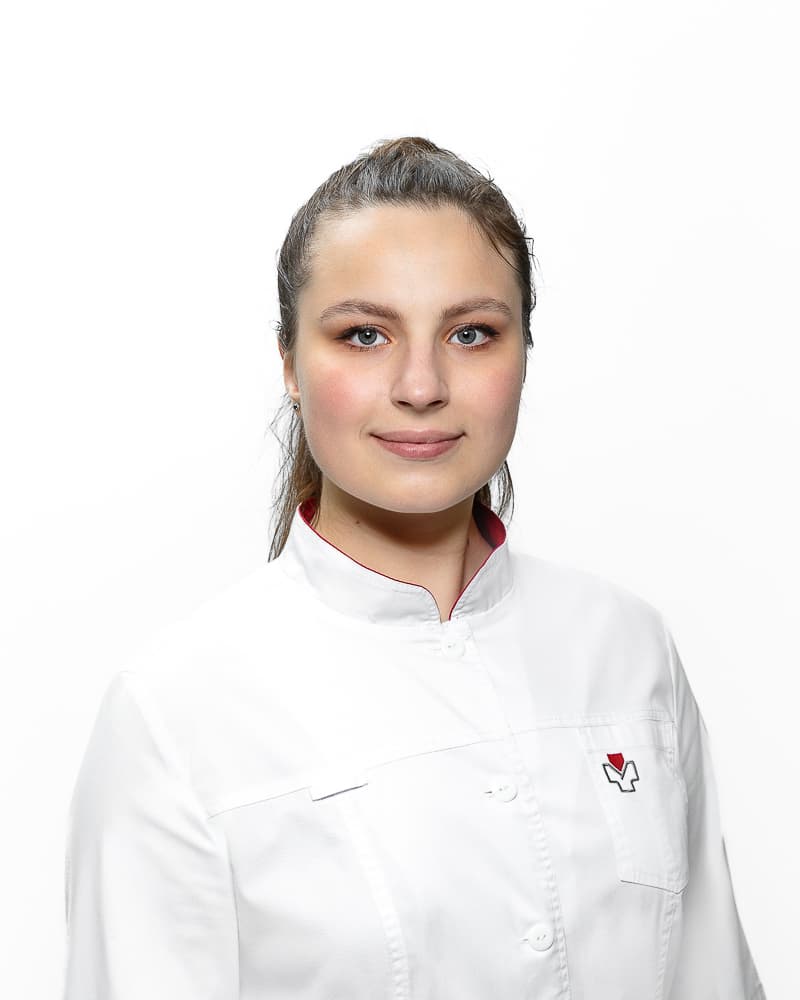
Moroz Diana Oleksandrivna
Mammologist, Surgical oncologist
How does a breast needle biopsy work, and what does the cytological examination show?
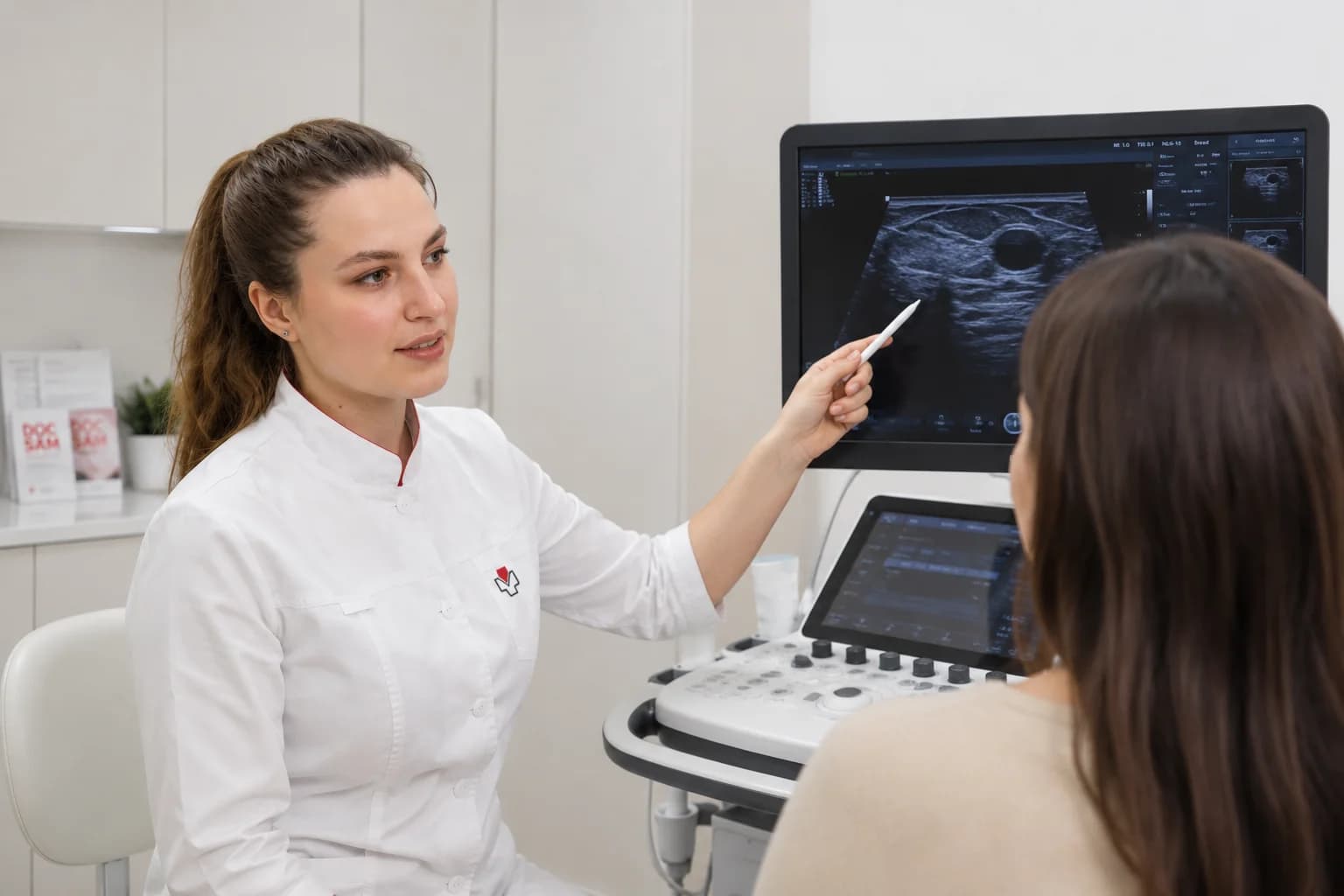
The procedure begins by identifying the area from which the sample needs to be collected. If the lesion can be clearly felt during a physical examination, the doctor may use palpation to guide the procedure. For non-palpable or small lesions, the biopsy is performed under ultrasound guidance, allowing the needle to be directed precisely to the target area.
Before the procedure, the skin is cleaned with an antiseptic. Local anesthesia may be used when indicated. The doctor then uses a thin needle to collect cellular material or fluid from the lesion. After the needle is removed, the puncture site is treated, and the collected material is sent for cytological examination.
Cytology evaluates the cells obtained during the procedure, including their quantity, structure, and the presence of abnormal changes. The results help the doctor assess the nature of the examined area and, together with ultrasound, mammography, and clinical examination findings, determine the appropriate next steps.
It is important to distinguish between the two stages: the biopsy is the process of collecting the sample, while cytological examination is the laboratory assessment of that material.
From detecting breast changes to an accurate diagnosis
A breast lump has been found – what happens next?
Finding a lump or other change in the breast does not necessarily mean that it is cancerous. However, any new finding should be properly assessed. The key is to determine exactly what has been identified and whether the area requires further diagnostic evaluation.
If you already have a breast ultrasound report, bring it to your consultation with a breast specialist. The doctor will assess the findings together with the clinical examination and determine whether a needle biopsy, another diagnostic method, or simply monitoring is appropriate.
At Doctor Sam, the necessary steps of the diagnostic pathway can be completed in one medical center – from a breast specialist consultation and breast ultrasound to a needle biopsy when indicated.
Doctor Sam is located in Kyiv at 1 Kiltseva Road, Respublika Park, near Teremky metro station. To discuss whether the procedure is indicated or to book a consultation, call +380 97 312 92 91.


