

Partial nail plate resection for an ingrown toenail
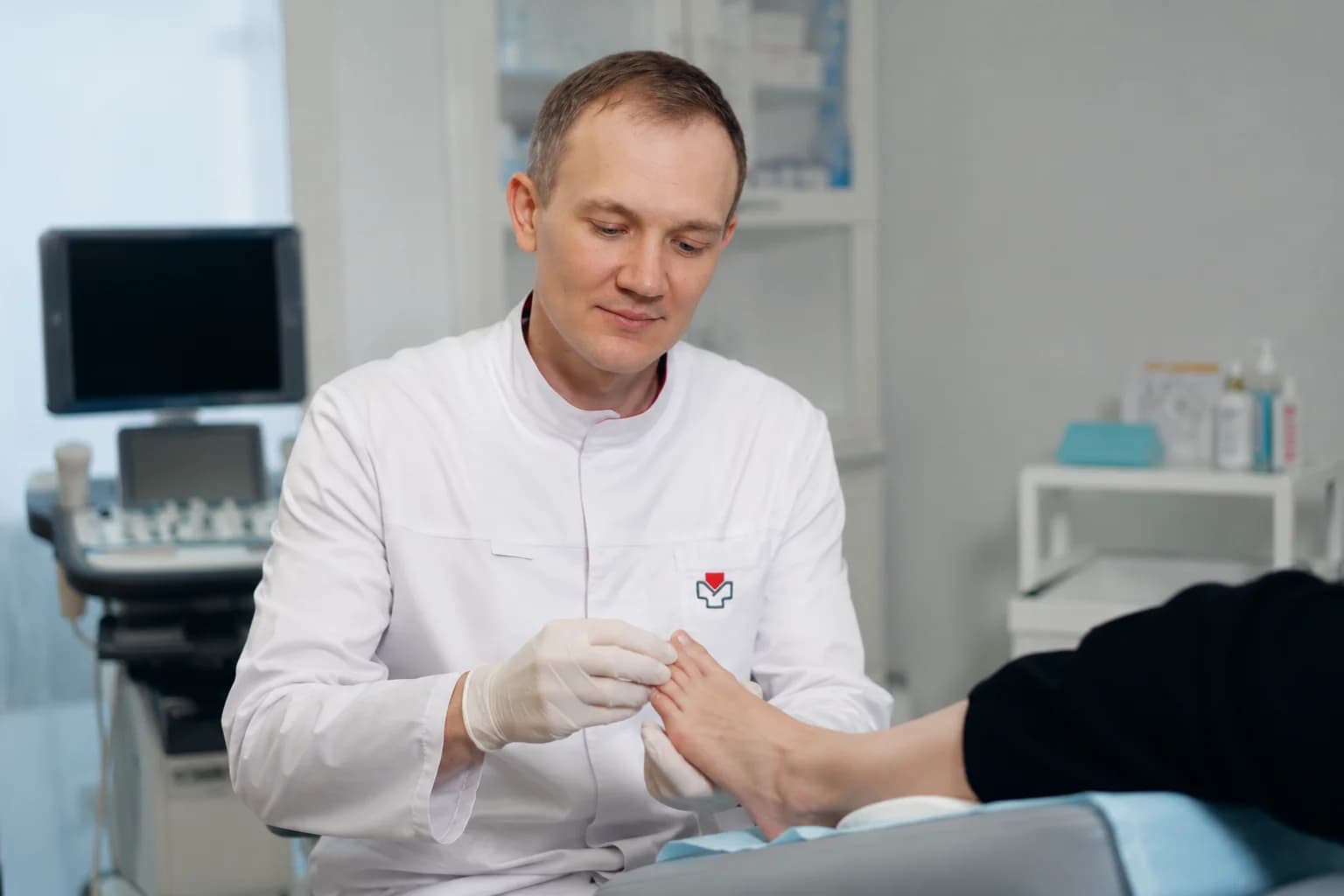
When the edge of the nail plate repeatedly grows into the surrounding skin, it can cause ongoing inflammation, pain, and swelling and may lead to recurrent infection. Partial nail resection involves removing only the section of the nail that is pressing into and injuring the surrounding tissue. The surgeon removes the ingrown edge of the nail plate and assesses the surrounding tissues to determine the appropriate further treatment.

Specialists
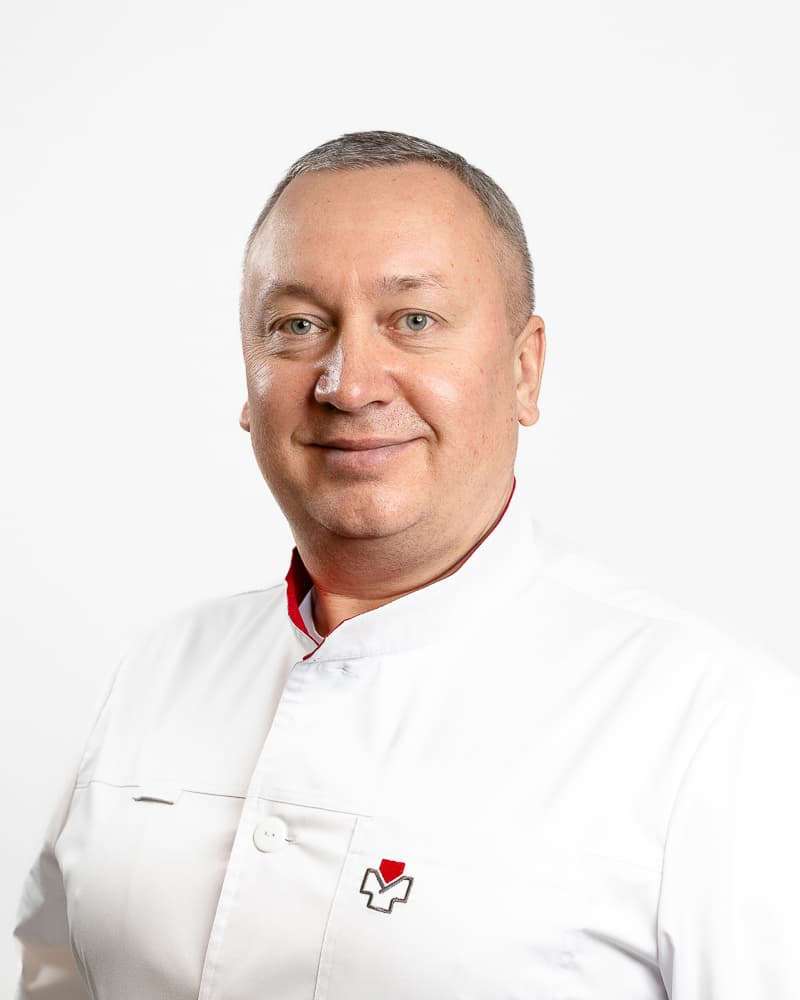
Bosyy Oleh Anatoliyovych
Surgeon, Ultrasound doctor
When is partial nail plate resection needed?
- Pain around the ingrown edge of the nail, especially when walking or applying pressure.
- Redness and swelling of the lateral nail fold.
- Recurrent inflammation after temporary improvement.
- Pus or bloody discharge from beneath the edge of the nail.
- Excessive overgrowth of tissue around the nail.
- Persistent embedding of one edge of the nail plate into the surrounding skin.
- Recurrence of an ingrown toenail after previous treatment.
FAQ
How is partial nail resection performed for an ingrown toenail?
First, the surgeon examines the toe, assesses the condition of the nail plate and surrounding tissues, and identifies the section of the nail that is growing into the nail fold. After local anesthesia is administered, only the ingrown edge of the nail is removed, leaving the rest of the nail plate intact.
After the resection, the treated area is cleaned and dressed. The doctor provides recommendations on wound care, dressing changes, and activity during the healing period.
This approach removes the part of the nail that is mechanically injuring the surrounding tissue. Further treatment depends on the condition of the nail, the severity of inflammation, and the individual characteristics of the case.
Is ingrown toenail removal painful?
Partial nail resection is performed under local anesthesia, so you should not experience sharp pain during the procedure. You may feel pressure or touch in the area of the toe.
Once the anesthesia wears off, moderate soreness or sensitivity may occur. Its intensity depends on the extent of the procedure and the condition of the tissues before treatment.
How should you care for your toe after partial nail resection?
After the procedure, it is important to follow the surgeon’s recommendations for wound care and dressing changes. During the first few days, avoid pressure on the toe and wear loose-fitting footwear that does not rub against the treated area.
Do not cut the remaining nail yourself, remove scabs, or apply products to the wound that have not been recommended by your doctor. If pain becomes more severe or you develop significant swelling, pus, bleeding, or other unusual changes, contact your doctor.
Book a consultation for partial nail resection
If an ingrown toenail continues to cause pain, inflammation, or pressure against the surrounding skin despite proper care and changes in footwear, do not wait for another flare-up. A surgical consultation will help assess the condition of the nail and determine whether partial nail resection or another treatment approach is appropriate.
Doctor Sam is located in Kyiv at 1 Kiltseva Road, Respublika Park Shopping Mall, near Teremky metro station. To book a surgical consultation and partial nail resection, call +380 97 312 92 91.


