

Vascular surgeon consultation
Circulatory disorders can develop before pronounced vascular changes become visible. During the consultation, the doctor assesses the condition of the veins and arteries, evaluates the nature of the symptoms, and determines whether ultrasound or other diagnostic testing is indicated. This helps identify the underlying cause and establish the appropriate next steps, from observation and conservative treatment to specialized intervention.
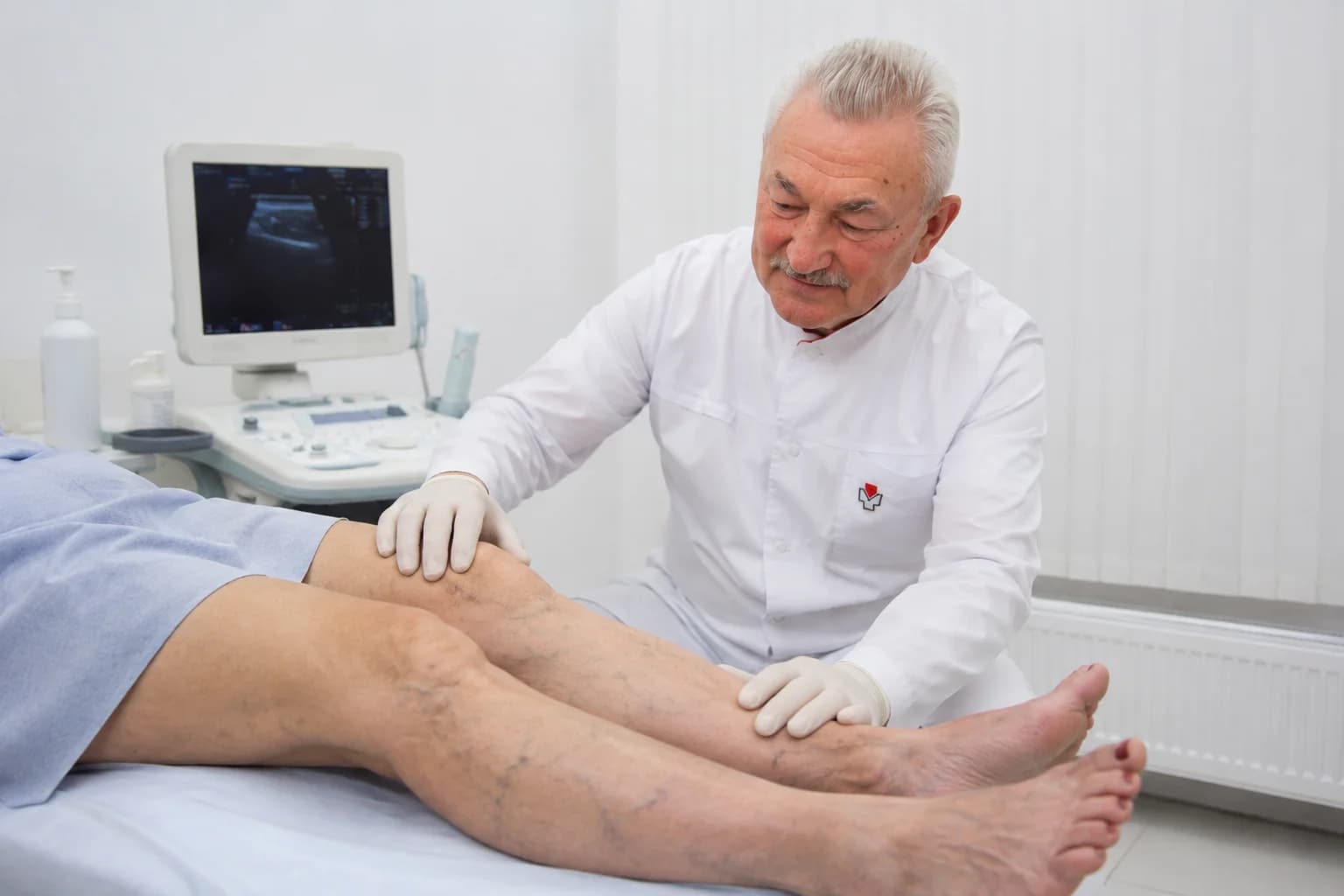
When is a vascular surgeon consultation needed?
- Leg swelling – especially if it worsens throughout the day, occurs regularly, or is accompanied by a feeling of heaviness.
- Visible or dilated veins – if venous nodules have appeared or changes are gradually progressing.
- Spider veins or a visible vascular network – particularly when they become more pronounced or are accompanied by pain, heaviness, or swelling.
- Leg pain, heaviness, or fatigue – especially toward the end of the day, after prolonged standing, or following physical activity.
- Nighttime leg cramps – when they occur repeatedly and are accompanied by other symptoms affecting the lower limbs.
- Leg pain when walking – when it develops during physical activity and makes you stop or rest.
- Cold feet, numbness, or changes in skin color – particularly when these symptoms have appeared recently or are gradually worsening.
- Pain, swelling, and redness in one leg – especially when these symptoms develop suddenly and require prompt assessment of the veins.
- Skin changes on the legs – darkening, thickening, itching, persistent inflammatory changes, or ulcers.
- Symptoms after previous thrombosis – when swelling, pain, heaviness, or other changes in the affected limb persist.

Specialists
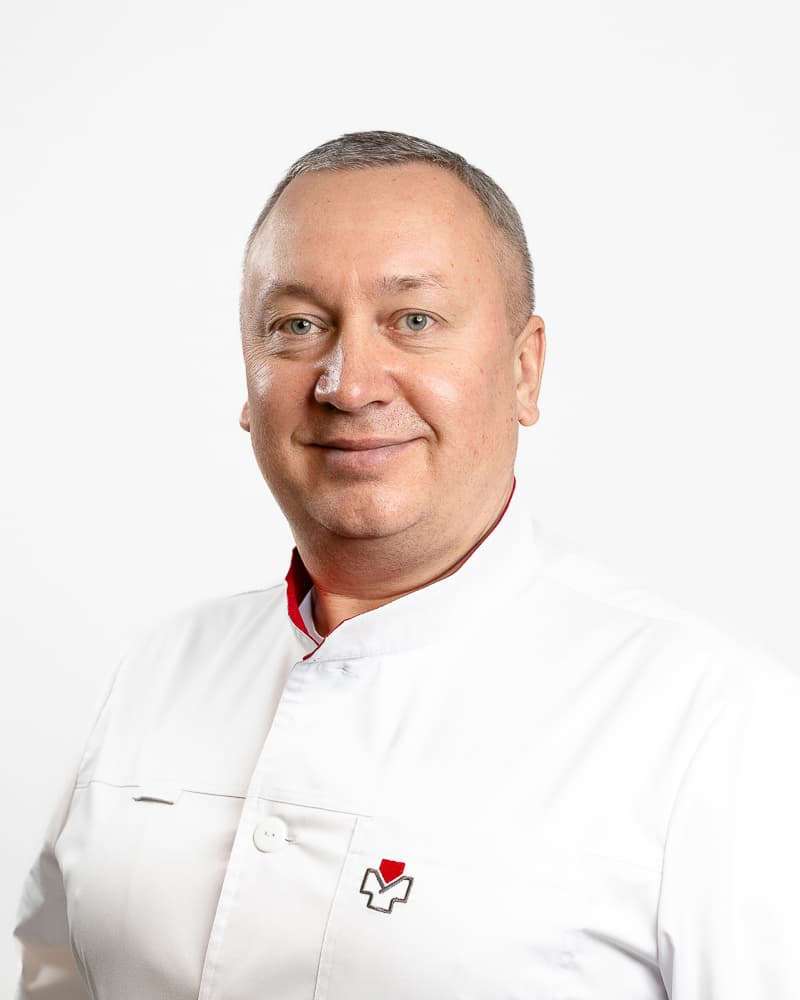
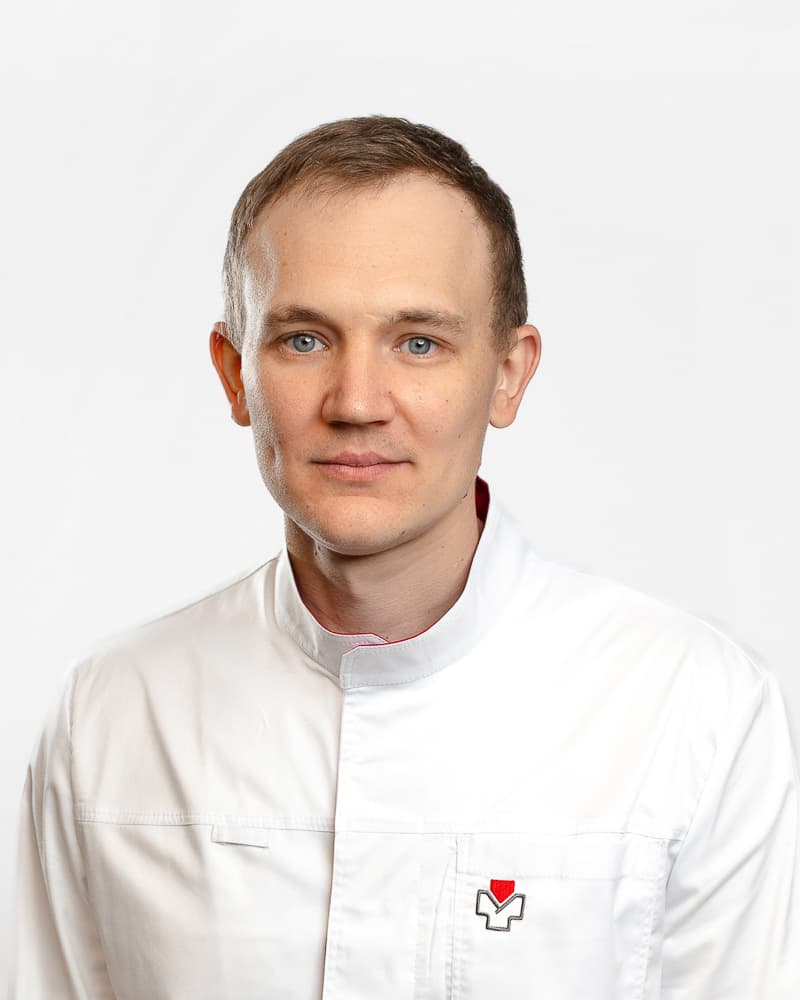
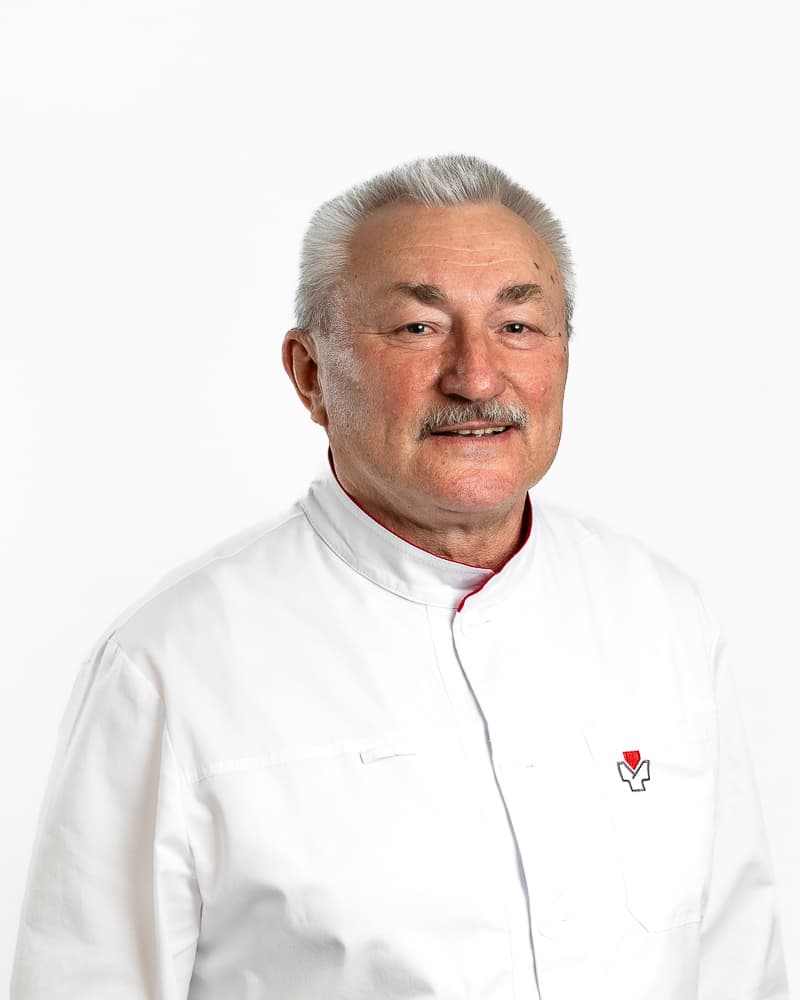
Bosyy Oleh Anatoliyovych
Surgeon, Ultrasound doctor
Varicose veins: when is monitoring enough, and when is treatment needed?
Not every visible varicose vein requires treatment. If the veins do not cause pain, swelling, heaviness, or other symptoms, are not progressing, and examination does not reveal significant abnormalities in venous blood flow, the doctor may recommend monitoring. In this case, it is important to keep track of any changes and return for assessment if symptoms appear or worsen.
Treatment for varicose veins should be considered if:
- the veins are gradually becoming more prominent or new varicose veins are appearing;
- swelling, heaviness, pain, or fatigue in the legs occurs regularly;
- symptoms become more pronounced after prolonged standing or physical activity and affect everyday activities;
- nighttime leg cramps, itching, or burning develop around the affected veins;
- skin changes appear, including darkening, thickening, dryness, or inflammation;
- painful, inflamed, or hardened areas develop along the superficial veins;
- trophic changes or ulcers appear on the lower leg;
- lower limb venous ultrasound reveals abnormalities in venous blood flow that require treatment.
The choice of treatment is not based on the appearance of the veins alone. The vascular surgeon considers the anatomy of the venous system, diagnostic findings, symptoms, and their progression before determining the most appropriate approach.
FAQ
Are all visible veins on the legs varicose veins?
No. Visible veins may be normal superficial veins, spider veins, or manifestations of varicose vein disease. Their appearance alone is not enough to determine the condition of the venous system.
With varicose veins, the veins may become enlarged, twisted, and raised above the surface of the skin. They may be accompanied by heaviness, swelling, pain, or nighttime leg cramps, although the severity of symptoms varies from person to person.
Spider veins have a different appearance and do not indicate significant varicose vein disease. However, when symptoms are present or the changes are progressing, a doctor may recommend assessing venous blood flow.
A vascular surgeon consultation can help determine whether further diagnostic testing or monitoring is appropriate.
Why do legs swell, and when could the cause be related to the veins?
With venous disorders, swelling often becomes more pronounced throughout the day or after prolonged standing or sitting and may be accompanied by heaviness, fatigue, pain, or visible enlarged veins.
The pattern of swelling is also important. If it occurs regularly, gradually becomes more pronounced, or is accompanied by skin changes or other symptoms, the venous system should be assessed.
Sudden swelling in one leg, particularly when accompanied by pain, redness, or warmth, requires prompt medical assessment because deep vein thrombosis is one of the possible causes.
A vascular surgeon can determine whether the swelling is related to impaired venous outflow and whether further diagnostic testing is needed. If assessment of blood flow is indicated, the doctor may recommend vascular ultrasound.
When can leg pain be related to impaired blood circulation?
Leg pain or fatigue when walking that improves after stopping and resting may be associated with inadequate arterial blood flow. Other possible signs include cold feet, numbness, changes in skin color, or reduced walking endurance.
Venous disorders more commonly cause heaviness, swelling, discomfort, or pain that becomes more pronounced after prolonged periods of standing or being on your feet. These symptoms may occur together with visible enlarged veins or other skin changes.
Sudden pain and swelling in one leg require particular attention, especially when accompanied by redness or localized warmth. Prompt medical assessment is necessary in this situation, as deep vein thrombosis is one of the possible causes.
When these symptoms are present, a vascular surgeon can determine whether lower limb venous or arterial ultrasound is indicated and establish the next steps based on the findings.
Booking a vascular surgeon consultation
You do not need to wait until varicose veins become pronounced or symptoms begin to significantly interfere with your daily activities. If changes recur, progress, or already affect your well-being, a consultation allows them to be assessed at this stage and the appropriate next steps to be determined.
If you already have venous ultrasound, arterial ultrasound, or other diagnostic results, bring them to your appointment. The doctor can assess these findings together with your symptoms and examination results and determine whether additional testing is required.
At Doctor Sam, vascular surgeon consultations are available within Kyiv, as well as a separate surgeon/vascular surgeon consultation service outside Kyiv. This allows you to choose the appropriate consultation format depending on your situation and location.
If the cause of your symptoms has not yet been established, a vascular surgeon consultation can be the right first step in determining the appropriate diagnostic and treatment approach. If the symptoms may have a non-vascular cause, the doctor can also help determine the appropriate diagnostic pathway or specialist.
Doctor Sam is located in Kyiv at 1 Kiltseva Road, Respublika Park, near Teremky metro station. To book a vascular surgeon consultation, call +380 97 312 92 91.


