

Ophthalmologist consultation
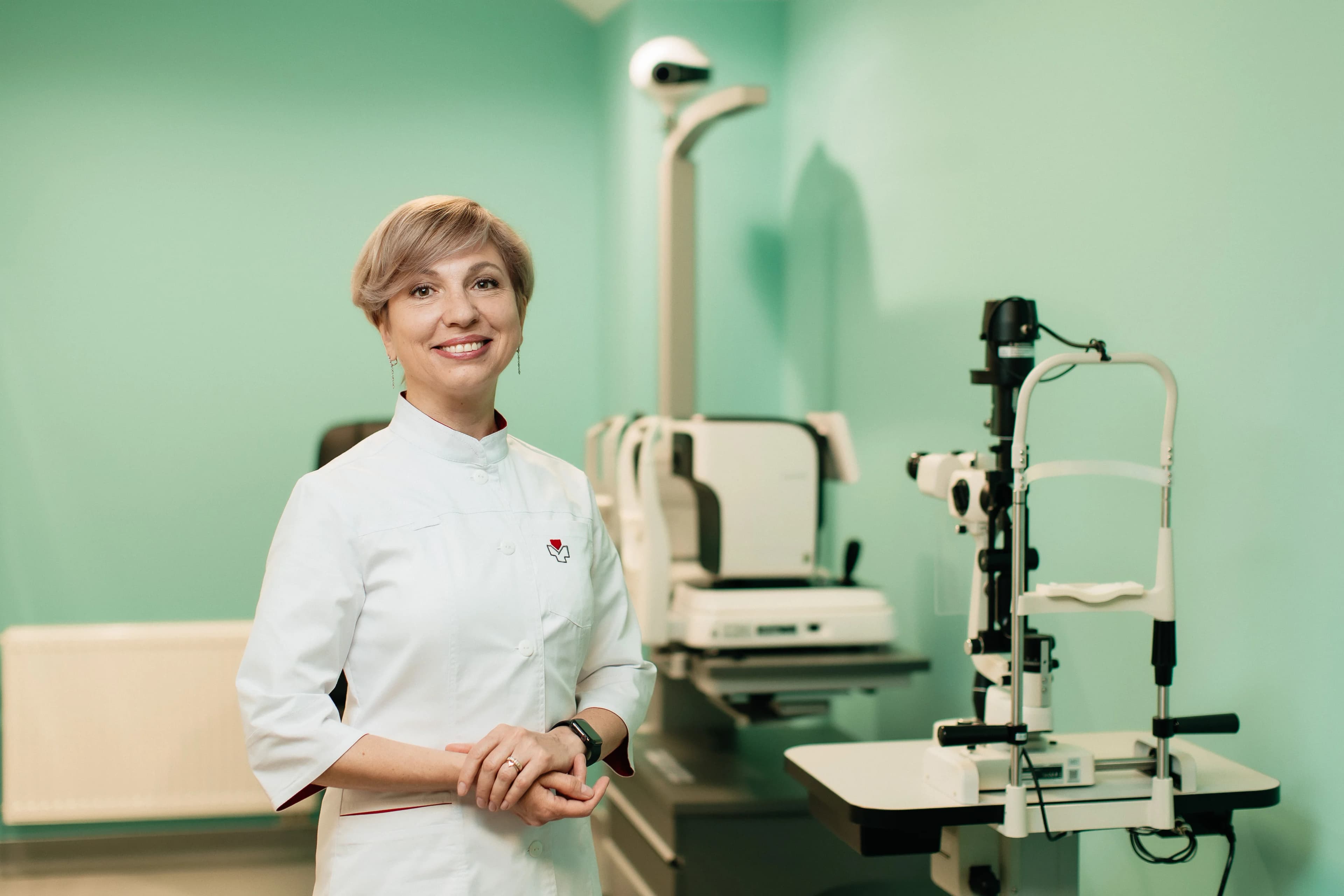
Blurred vision, visual discomfort, eye redness and changes in eyesight can have different causes. During the consultation, the ophthalmologist assesses visual acuity, examines the structures of the eye and identifies potential conditions, ranging from myopia and astigmatism to retinal and optic nerve disorders. Based on the examination, the doctor determines whether further investigations, treatment or glasses fitting are needed.
Why regular eye examinations are important
A person may have good vision while still having changes in the structures of the eye that require attention. For example, early-stage glaucoma often does not affect central visual acuity, and gradual loss of peripheral vision may go unnoticed. Some retinal conditions can also remain symptom-free for a long time.
During a preventive eye examination, the ophthalmologist assesses eye health and, when indicated, measures intraocular pressure and examines the fundus. This helps detect changes before noticeable vision problems develop and determine whether further investigations are needed.
The recommended frequency of preventive eye examinations depends on age, overall health and individual risk factors. People with diabetes, a family history of glaucoma or previously diagnosed eye conditions may need an individual monitoring schedule. Even without symptoms, routine eye examinations should not be postponed.
For a more detailed assessment of eye health, you can undergo a comprehensive eye examination. It includes a structured assessment of key aspects of vision and the condition of the eye structures. This may be recommended as part of a preventive check-up, if you have specific risk factors or when further investigation is needed to identify the cause of changes in your vision.

Specialists

Savina Olena Mykhailivna
Pediatric ophthalmologist, Ophthalmic geneticist, Ophthalmologist

Кравчук Микола Михайлович
Ophthalmologist, Pediatric ophthalmologist
When to see an ophthalmologist
- Reduced visual acuity – your vision has become blurred, or you find it difficult to read, see objects at a distance or focus clearly.
- Double or distorted vision – objects appear doubled, straight lines look wavy or parts of the image seem distorted.
- Frequent eye strain – you experience discomfort when reading, working at a computer or focusing on nearby objects.
- Eye pain, redness or excessive tearing – particularly when accompanied by light sensitivity, a foreign-body sensation or discharge.
- Flashes of light, new floaters or a shadow in your field of vision – these may indicate changes in the vitreous or retina and require urgent assessment.
- Sudden deterioration or loss of vision – any sudden change in vision, especially in one eye, requires immediate medical attention.
How to prepare for an ophthalmologist consultation
No special preparation is usually required before an appointment. If you wear glasses or contact lenses, bring them with you and tell the ophthalmologist how long you have been using them and whether your vision has changed since your last prescription. It is also helpful to mention any previous eye examinations, eye surgeries, chronic health conditions and medications you take. If you have previous vision test results, reports from other specialists or medical recommendations, bring them along so the ophthalmologist can assess any changes over time. After the examination, the doctor will explain the findings and, if necessary, recommend further investigations, a comprehensive eye examination or glasses fitting.
Frequently asked questions
Can I have my vision checked and get a glasses prescription during the same appointment?
Should I remove my contact lenses before the appointment?
Why is my vision getting worse if I have never needed glasses before?
Can vision problems cause headaches?
Do pregnant women need an eye examination?
How can I book an ophthalmologist consultation at Doctor Sam?


