

Comprehensive eye examination
Some eye conditions can develop without noticeable symptoms, making regular eye examinations an important part of preventive healthcare. At Doctor Sam, a comprehensive eye examination assesses visual function and overall eye health. It helps identify potential abnormalities, evaluate visual acuity, determine whether vision correction is needed and provide individual recommendations based on each patient's needs.
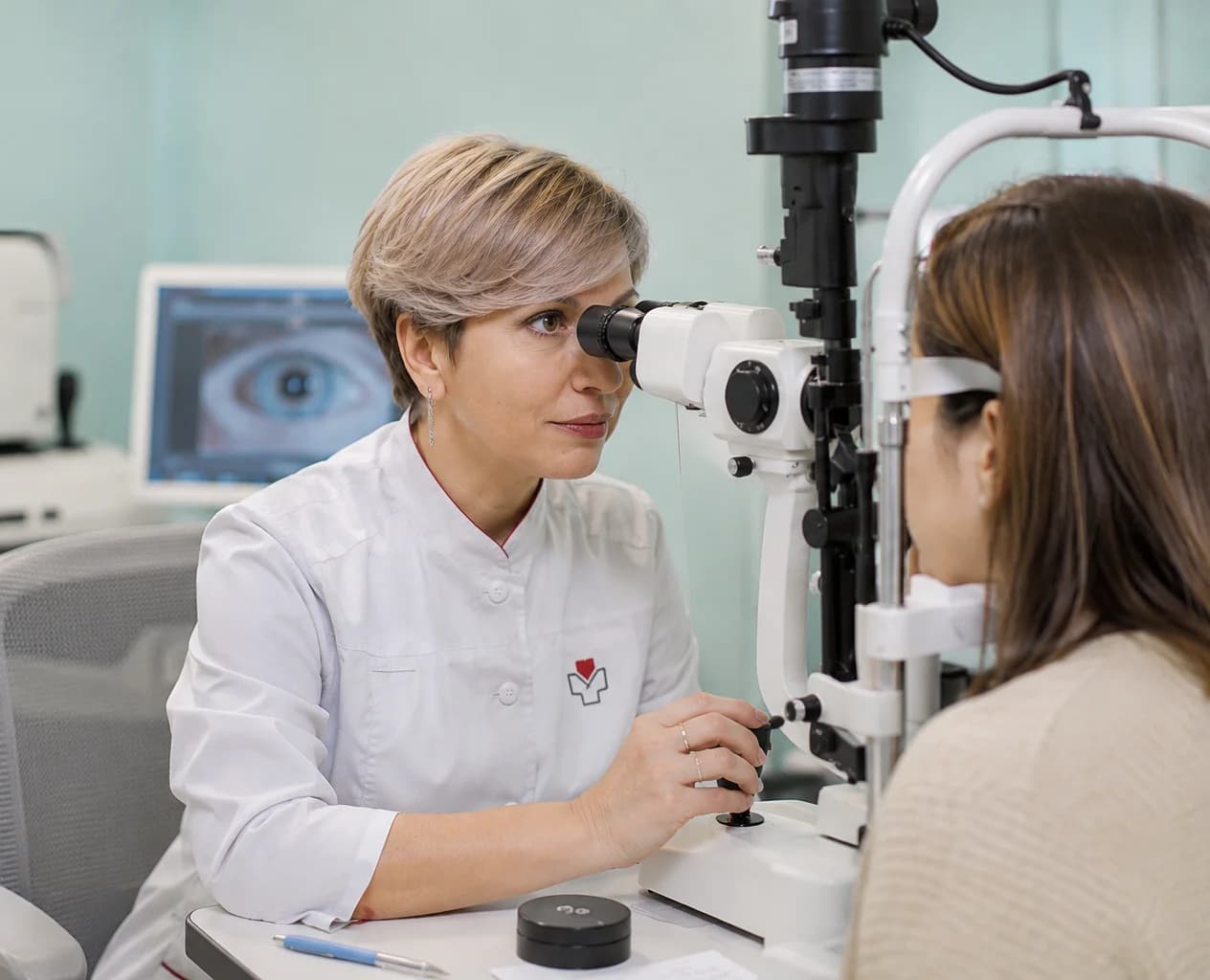
Vision and eye health assessment
During the consultation, the ophthalmologist begins by reviewing the patient's medical history, current symptoms, vision concerns and any previous eye conditions. The examination includes visual acuity testing, refraction assessment to determine how accurately the eyes focus light, evaluation of the anatomical structures of the eyes, pupil responses to light and peripheral vision. These assessments help identify refractive errors such as myopia, hyperopia and astigmatism, as well as abnormalities in eye movement and other conditions that may affect visual function. Particular attention is given to the cornea, lens, conjunctiva, retina and optic nerve.
A range of ophthalmic diagnostic techniques may be used to examine the eyes in greater detail. Biomicroscopy allows the ophthalmologist to examine the anterior structures of the eye under magnification, while tonometry measures intraocular pressure. Ophthalmoscopy provides a detailed view of the fundus, including the retina and optic nerve. The scope of the examination is tailored to each patient based on their age, symptoms and initial findings. Following the assessment, the ophthalmologist explains the results and may recommend prescription glasses or contact lenses, further diagnostic investigations or follow-up appointments.

Specialists
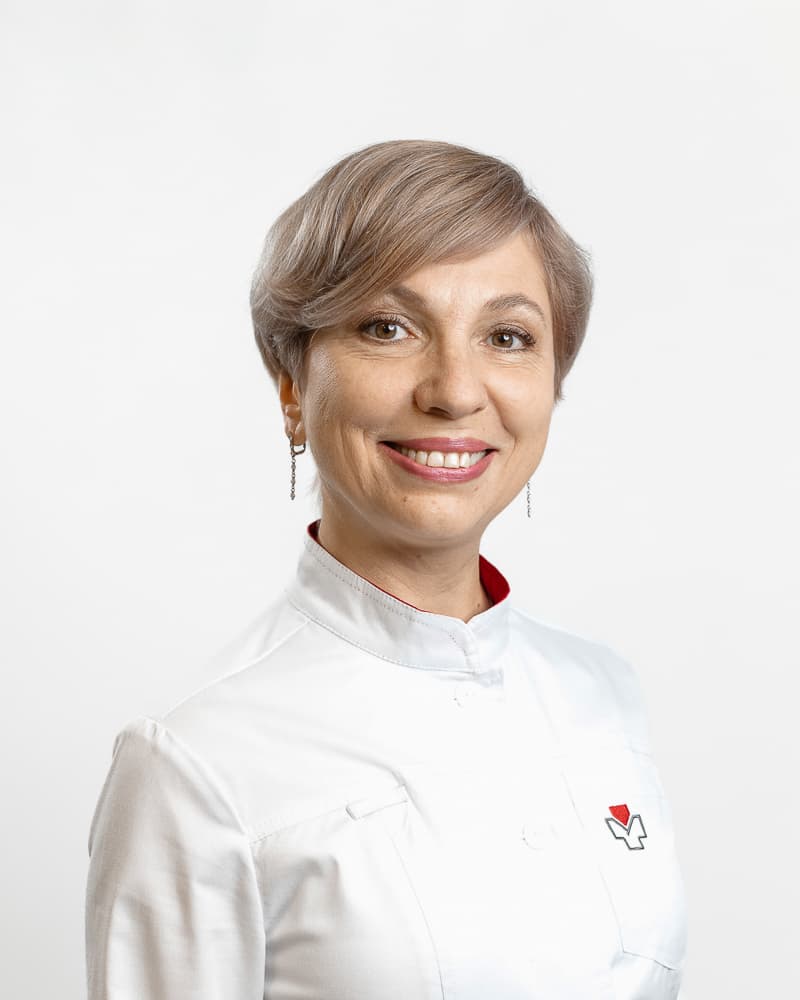
Savina Olena Mykhailivna
Pediatric ophthalmologist, Ophthalmic geneticist, Ophthalmologist
Кравчук Микола Михайлович
Ophthalmologist, Pediatric ophthalmologist
Who should have a comprehensive eye examination?
Preventive eye examinations are important even when there are no noticeable vision problems, as certain conditions, including glaucoma and retinal disorders, can develop without obvious symptoms for a considerable time. An ophthalmologist should be consulted if visual acuity deteriorates, colour perception changes or vision becomes blurred.
Children should see a pediatric ophthalmologist from the first months of life. The visual system continues to develop throughout childhood, making early detection of eye conditions particularly important. Initial examinations help assess visual development, identify congenital abnormalities and detect conditions such as strabismus, amblyopia, myopia, hyperopia and astigmatism. Regular examinations are also important during the preschool years and before starting school, when visual demands increase significantly. At Doctor Sam, pediatric ophthalmologist consultations are available for children from birth.
Patients with a family history of eye conditions may require additional attention. If glaucoma, inherited retinal disorders, optic nerve conditions or other genetic eye diseases have occurred in the family, the ophthalmologist may recommend further assessment. In such cases, a consultation with an ophthalmogeneticist may help investigate possible genetic causes of vision problems and assess potential risks for the patient and their family.
Comprehensive eye examinations are also important for people with diabetes, hypertension and other systemic conditions that may affect the blood vessels and structures of the eye. For example, diabetic retinopathy can develop without noticeable vision changes in its early stages. Regular ophthalmological monitoring helps identify such changes in a timely manner and determine whether further investigations or treatment are needed.
What conditions can an ophthalmological examination help identify?
- Myopia, hyperopia and astigmatism – refractive errors that occur when light does not focus correctly on the retina, resulting in blurred vision at near or far distances.
- Glaucoma – a group of eye diseases associated with damage to the optic nerve that can lead to irreversible vision loss.
- Cataracts louding of the eye's natural lens, which gradually reduces visual clarity and may cause blurred vision, increased sensitivity to light and difficulty seeing in low-light conditions. During the examination, the ophthalmologist assesses lens transparency and the extent of these changes.
- Inflammatory eye conditions – conjunctivitis, keratitis and other inflammatory processes that may cause redness, excessive tearing, light sensitivity, pain or a foreign-body sensation.
- Retinal and optic nerve disorders – changes affecting these structures can impair both central and peripheral vision.
- Vision disorders in children – strabismus, amblyopia, myopia, hyperopia and astigmatism can affect the development of the visual system.
Understanding your eye examination results
Following the examination, the ophthalmologist explains the findings, assesses any detected changes and determines the appropriate next steps. If a refractive error is identified, the specialist recommends the most suitable vision correction and, when necessary, arranges a prescription for glasses or contact lenses. If signs of an eye condition are detected, the patient receives recommendations for further diagnostic investigations, treatment or regular monitoring. For children, the ophthalmologist also develops an individual follow-up plan based on the child's age and visual development. This approach goes beyond simply checking visual acuity: it helps patients understand their eye health, identify changes that require attention and take appropriate steps to maintain good vision.
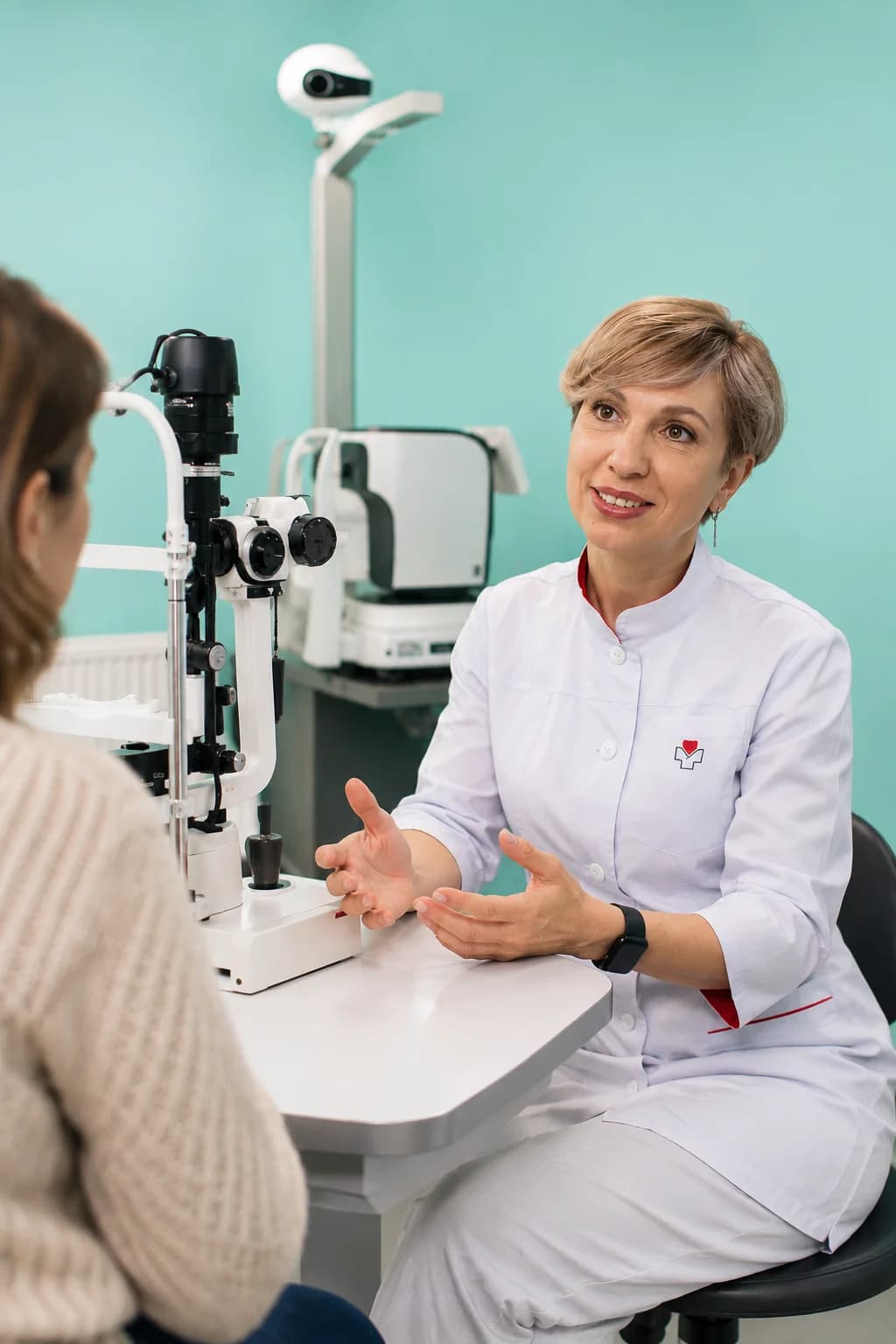
Frequently asked questions
What is included in a comprehensive eye examination?
How do I know when I need to see an ophthalmologist?
How often should I have a preventive eye examination?
What is keratitis and how can it be recognised?
How does glasses fitting work and should I have my vision checked first?
How can I book an appointment with an ophthalmologist?


