Early symptoms of type 2 diabetes, risk factors and when to check your blood glucose levels

You find yourself drinking glass after glass of water, waking up at night to use the bathroom, and blaming your fatigue on work and lack of sleep. Then, during a routine blood test, you notice elevated blood glucose levels and wonder where they came from. This is how many people first discover they have type 2 diabetes. Symptoms tend to develop gradually, and in the early stages, there may be no symptoms at all.
Why type 2 diabetes often goes unnoticed for years
Blood glucose levels rise gradually, sometimes over several years. The body adapts, and people become accustomed to how they feel. The American Diabetes Association (ADA), in its 2026 Standards of Care, states that type 2 diabetes often remains undiagnosed for years because classic symptoms may be absent in the early stages. During this time, elevated blood glucose can already be damaging blood vessels, nerves, kidneys and eyes.
Symptoms of type 2 diabetes may be mild and go unnoticed for many years. This is why having no symptoms does not necessarily mean your blood glucose levels are normal. Laboratory tests can help detect abnormalities at an early stage, particularly if you have risk factors.
Early symptoms of type 2 diabetes that are easy to overlook
In the early stages, symptoms may be mild or resemble those of other conditions. The most common signs of potentially elevated blood glucose levels include:
- Persistent thirst;
- Frequent urination, particularly at night;
- Fatigue, weakness and feeling exhausted even after a weekend of rest;
- Unexplained weight loss without dieting;
- Blurred vision;
- Cuts and scratches that take a long time to heal;
- Genital itching or recurrent yeast infections.
None of these symptoms alone confirms diabetes. For example, persistent fatigue may be related to sleep disturbances, stress or anaemia, while frequent urination can have other causes. However, if you recognise two or three of these symptoms occurring together, it is worth having your blood glucose tested soon.
Who is at risk of developing type 2 diabetes?
Screening should be considered in adults who are overweight or have obesity (a body mass index of 25 kg/m² or higher) and have at least one of the following risk factors:
- A parent, brother or sister with diabetes;
- Blood pressure of 130/80 mmHg or higher, or taking medication for hypertension;
- A history of cardiovascular disease;
- Low HDL (good) cholesterol levels (below 0.9 mmol/L) and/or triglyceride levels above 2.8 mmol/L;
- Polycystic ovary syndrome (PCOS);
- Physical inactivity;
- Conditions associated with insulin resistance, such as fatty liver disease or darkened patches of skin in body folds (acanthosis nigricans).
Women who have had gestational diabetes are advised by the ADA to have their blood glucose checked at least once every one to three years, even if their levels returned to normal after childbirth. If you are already receiving treatment for high blood pressure, discuss your blood glucose levels with your cardiologist as well. A cardiology consultation can be an opportunity to assess both cardiovascular and metabolic risk factors.
At what age should you start checking your blood glucose levels?
Routine screening for diabetes and prediabetes should begin at age 35, even if you have no symptoms.
If your results are normal, screening should be repeated at least once every three years. If you have additional risk factors, your doctor may recommend more frequent testing.
People diagnosed with prediabetes are advised to have their blood glucose levels checked every year. In other words, if you are over 35 and have never had your blood glucose tested, it is a good reason to do so, even if you feel perfectly well.
If you have not checked your blood glucose levels for a long time, discuss with your doctor which tests are appropriate for your situation. You may also consider comprehensive health check-up programmes to assess not only your blood glucose but also other important health indicators.
Which tests can help detect type 2 diabetes?
Your doctor may recommend one or several tests, depending on your age, symptoms and risk factors.
Fasting blood glucose test
This is one of the most common tests used to check blood glucose levels. The blood sample is taken in the morning after at least eight hours without food. Drinking plain water is allowed. The result shows your blood glucose level at the time the sample is collected.
Glycated haemoglobin (HbA1c) test
This test measures your average blood glucose level over approximately the previous two to three months. Unlike the fasting blood glucose test, HbA1c does not require fasting. However, results may be inaccurate in certain circumstances, including anaemia, pregnancy, some kidney conditions, significant blood loss or a recent blood transfusion. In such cases, your doctor may recommend a different diagnostic method.
Oral glucose tolerance test (OGTT)
This test assesses how your body processes glucose. First, a blood sample is taken after fasting. You then drink a solution containing 75 g of glucose, and another blood sample is collected two hours later. This test can help detect abnormalities in glucose metabolism that may not be apparent from other test results.
Random blood glucose test
Blood glucose can be measured at any time of day, regardless of when you last ate. This test is particularly important if you have typical symptoms of elevated blood glucose, such as excessive thirst, frequent urination and unexplained weight loss. The choice of test depends on your individual clinical situation. This is why test results should always be interpreted together with your doctor.
What do blood glucose test results mean?
Fasting blood glucose
Normal: below 5.6 mmol/L.
Prediabetes: 5.6-6.9 mmol/L.
Diabetes: 7.0 mmol/L or higher.
Glycated haemoglobin (HbA1c)
Normal: below 5.7%.
Prediabetes: 5.7-6.4% (39-47 mmol/mol).
Diabetes: 6.5% or higher (48 mmol/mol or higher).
Oral glucose tolerance test (OGTT)
Normal: below 7.8 mmol/L.
Prediabetes: 7.8-11.0 mmol/L.
Diabetes: 11.1 mmol/L or higher.
Random blood glucose test
If blood glucose is measured at any time of day, regardless of food intake, a result of 11.1 mmol/L or higher, together with typical symptoms of diabetes, may be sufficient to establish a diagnosis.
It is important to understand that a single elevated test result is generally not enough to confirm diabetes. Diagnosis may require two different tests with results above the diagnostic thresholds or a repeat of the same test on another day.
If a home glucose meter shows elevated readings, this is a reason to consult a doctor and have laboratory testing. A glucose meter is useful for monitoring blood glucose levels, but its readings alone are not sufficient to establish a diagnosis.
Do not try to lower your blood glucose levels on your own through strict dietary restrictions or medication without a prescription. A healthcare professional will assess your test results, consider other risk factors and determine the appropriate next steps.
What should you do if you have prediabetes?
Prediabetes means that your blood glucose levels are higher than normal but have not yet reached the threshold for diabetes. This is a stage at which lifestyle changes can make a significant difference. Changes in daily habits and regular monitoring can help reduce the risk of progressing from prediabetes to type 2 diabetes.
The WHO recommends maintaining a healthy body weight, engaging in regular physical activity, following a balanced diet and avoiding tobacco use. Adults should aim for at least 150 minutes of moderate-intensity physical activity per week. For example, this could mean brisk walking for 30 minutes, five days a week.
A balanced diet should include a variety of foods, particularly vegetables, whole grains, legumes and sources of protein. At the same time, it is advisable to limit sugary drinks, excessive added sugar and foods high in saturated fats. Specific dietary changes should be discussed with your doctor, especially if you have high blood pressure, cardiovascular disease or joint problems.
Do not take blood glucose-lowering medication or dietary supplements claiming to improve pancreatic function without medical advice. The need for medication is determined by a doctor based on your test results, existing health conditions and individual risk of developing diabetes.
Even if you feel no different, prediabetes requires regular monitoring. Your doctor can help determine how often you should check your blood glucose levels and which lifestyle changes would be most appropriate for you.
What to expect during an endocrinology consultation
During your first appointment, an endocrinologist will ask about your symptoms, whether any close relatives have diabetes, changes in your body weight, your blood pressure and any medication you take. The doctor will also review your previous test results and determine whether additional investigations are needed.
Depending on your situation, you may be advised to have:
- A repeat fasting blood glucose test and/or glycated haemoglobin (HbA1c) test to confirm the diagnosis;
- An oral glucose tolerance test if previous results are inconclusive;
- Other investigations based on your individual risk factors.
Bring all your previous test results to the appointment, including older ones. Changes in your results over several years can often be more informative than a single measurement.
If you are not ready to see an endocrinologist straight away, you can start with a general practitioner or a family doctor.
When do you need urgent medical attention?
Significantly elevated blood glucose levels can sometimes lead to life-threatening conditions. Seek immediate medical attention if you experience any of the following symptoms alongside suspected hyperglycaemia:
- Nausea, vomiting or abdominal pain;
- Rapid or laboured breathing;
- Severe drowsiness, extreme weakness or confusion;
- Fruity-smelling breath, similar to the smell of acetone.
Check your blood glucose levels at Doctor Sam
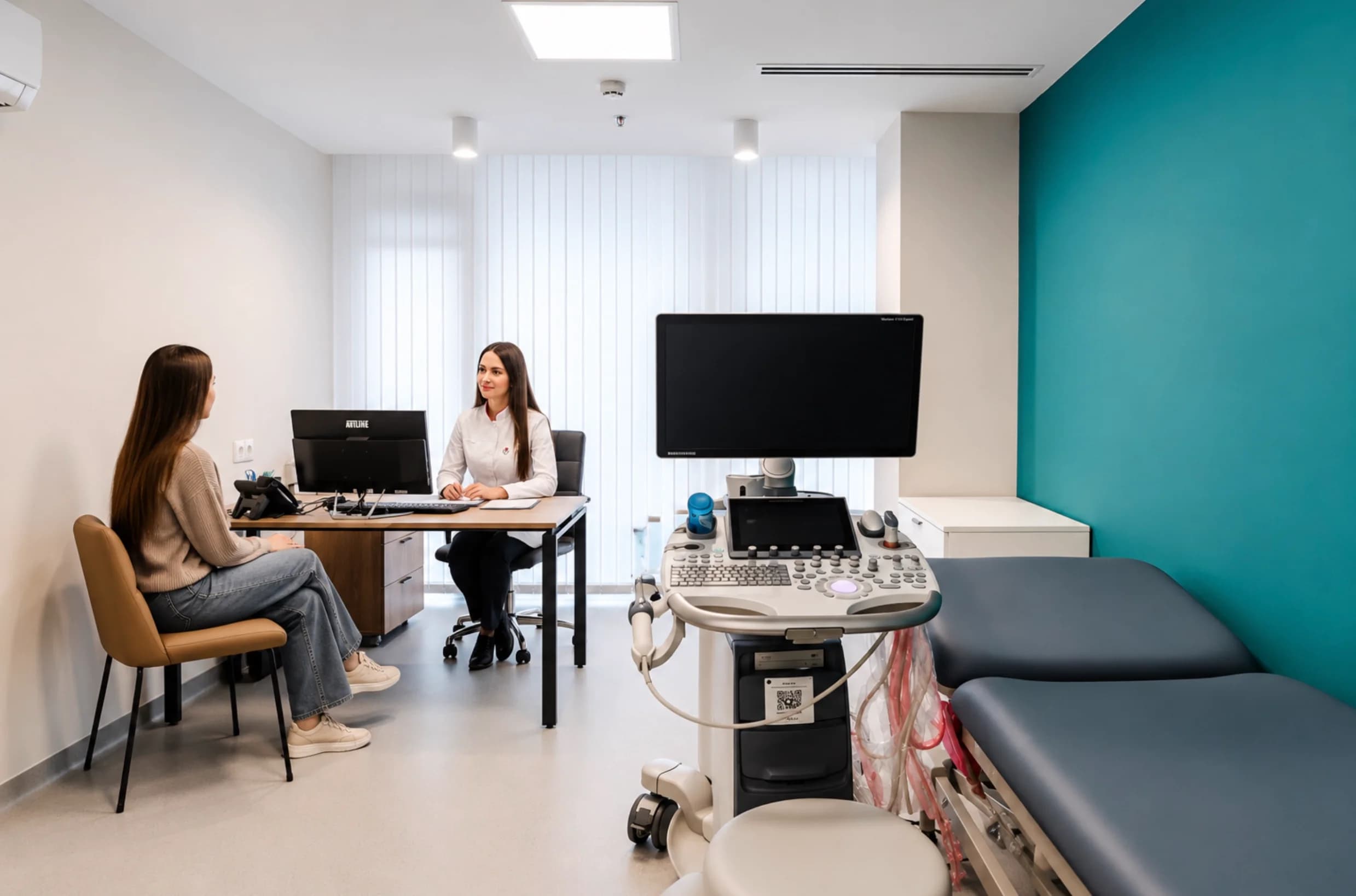
If you are 35 or older and have not checked your blood glucose levels recently, have risk factors for diabetes or have noticed symptoms that may indicate elevated blood glucose, discuss this with your doctor.At Doctor Sam Medical Centre in Kyiv, you can consult a specialist, review your test results and determine the next steps based on your individual health needs.
Appointments: +380 97 312 92 91
Address: 1 Kiltseva Road, Respublika Park Shopping Mall, Kyiv
More medical center news
All news