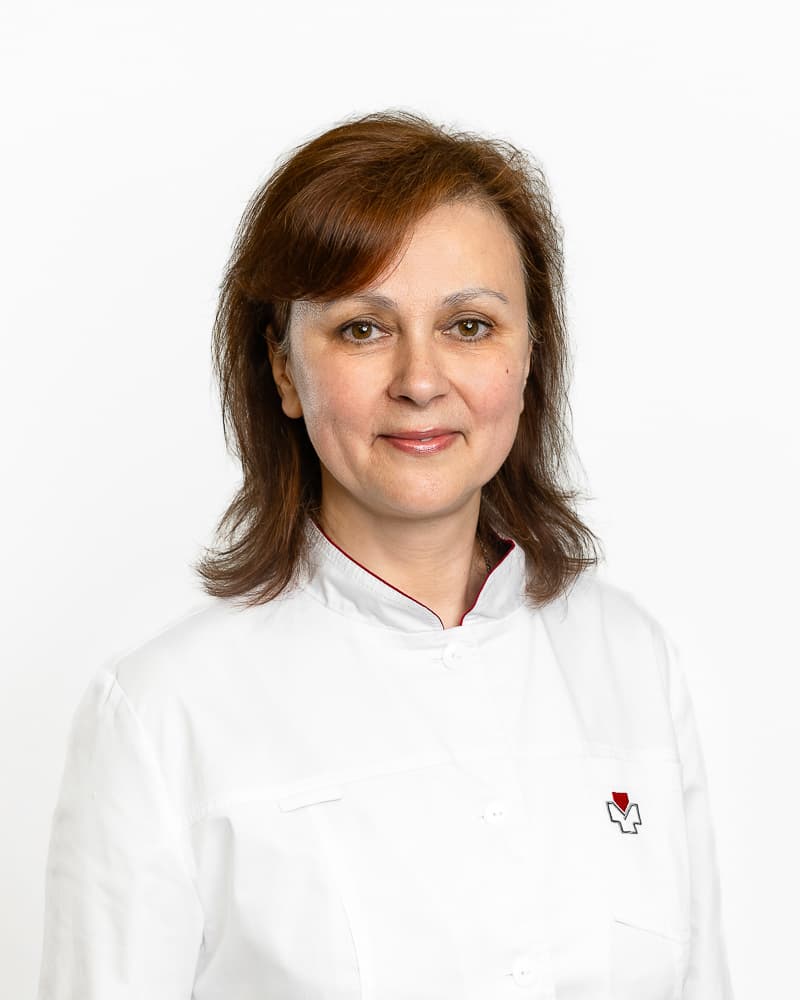
Moroz Diana Oleksandrivna
Surgical oncologist, Mammologist

Breast health deserves attention at every age – whether you are planning a pregnancy, breastfeeding, having a routine check-up, or have noticed any changes. Regular consultations with a breast specialist help monitor breast health, detect abnormalities at an early stage, and provide recommendations for prevention and follow-up. At Doctor Sam Medical Center, a breast specialist consultation includes a comprehensive assessment of breast health, modern diagnostics, and an individualized approach to every woman.
Surgical oncologist, Mammologist
Ultrasound doctor
Ultrasound doctor, Surgeon
Ultrasound doctor
Surgical oncologist, Proctologist
You can schedule a consultation with a breast specialist by calling +380 97 312 92 91 or by submitting a request through our website. Information about the medical center's opening hours and additional contact options is available on the Contacts page. Doctor Sam Medical Center is located at 1 Kiltseva Road, Kyiv (Respublika Park Shopping Mall).
If you are living abroad or are unable to visit the medical center in person, you can begin with an online consultation with a family doctor. Based on your consultation, the doctor will recommend the most appropriate next steps, provide personalized guidance, and refer you to a breast specialist or another medical specialist if needed.
Hormonal fluctuations, the menstrual cycle, pregnancy, breastfeeding, menopause, and other physiological changes can all affect breast tissue and sometimes cause changes that may raise concern. In many cases these changes are completely normal, but any new symptoms or unusual findings should be evaluated by a medical professional.
For this reason, regular breast health monitoring is an essential part of preventive women's healthcare. Consultations with a breast specialist, breast ultrasound, mammography (when clinically indicated), routine breast examinations, and timely diagnostic evaluation help detect breast conditions at an early stage, monitor benign breast changes, and determine the most appropriate follow-up or treatment plan.
At Doctor Sam Medical Center, breast health is approached as part of comprehensive women's healthcare. When necessary, your breast specialist may recommend consultations with a gynecologist, endocrinologist, or oncologist, as well as laboratory testing and additional diagnostic examinations to ensure a complete clinical assessment.

Regular breast self-examination helps women become familiar with the normal look and feel of their breasts, making it easier to notice any new or unusual changes. However, even when performed correctly, self-examination cannot replace a consultation with a breast specialist, breast ultrasound, mammography, or other modern diagnostic methods.
If you would like to learn how to perform a breast self-examination correctly, read our step-by-step guide to breast self-examination at home. The article explains when self-examination should be performed, which changes deserve attention, and when it is important to schedule a consultation with a breast specialist.