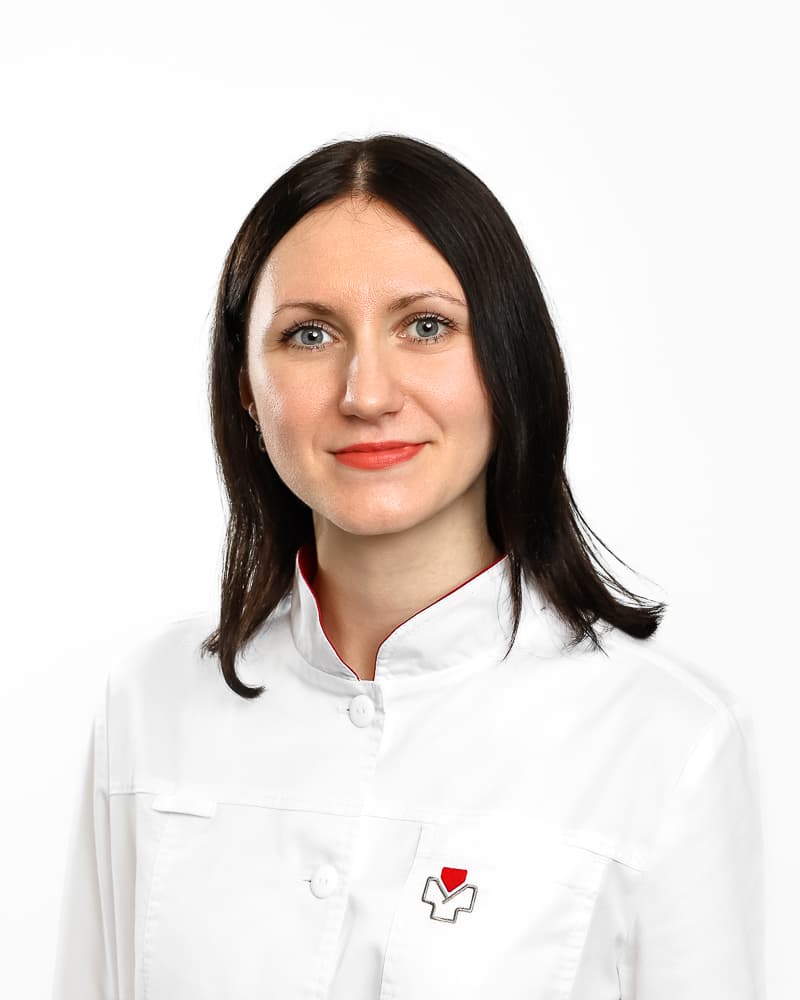
Gurbych Marina Serhiivna
Pediatrician, Gastroenterologist, Pediatric Gastroenterologist

Abdominal pain, constipation, diarrhea, nausea, bloating, heartburn, or changes in appetite may indicate disorders of the digestive system. A pediatric gastroenterologist at Doctor Sam Medical Center will help identify the cause of symptoms, perform the necessary diagnostic tests, and develop an effective treatment plan based on evidence-based medicine. When needed, all necessary laboratory tests, ultrasound examinations, and consultations with related specialists can be arranged at the same medical center.
Pediatrician, Gastroenterologist, Pediatric Gastroenterologist
Ultrasound doctor, Surgeon
Ultrasound doctor, Therapist, Gastroenterologist
Ultrasound doctor
Ultrasound doctor
Digestive system disorders in children can present in many different ways, ranging from occasional discomfort after meals to symptoms that significantly affect a child's growth, development, and overall well-being. While these symptoms are not always caused by a serious medical condition, persistent or recurrent digestive complaints should be evaluated by a pediatric gastroenterologist. The specialist will identify the underlying cause of your child's symptoms, recommend the appropriate diagnostic tests, and develop an individualized treatment plan based on the principles of evidence-based medicine.
Seek immediate medical attention if your child experiences severe or sudden abdominal pain, repeated vomiting, vomiting blood, black or tarry stools, a high fever accompanied by abdominal pain, signs of severe dehydration, or changes in consciousness.
During the consultation, the doctor carefully reviews your child's symptoms, eating habits, medical history, family history, and the results of any previous examinations. This is followed by a physical examination, during which the specialist evaluates the abdomen, as well as the child's growth and weight. Based on the findings, the doctor identifies the possible causes of the symptoms and develops an individualized diagnostic and treatment plan. Following the consultation, the doctor may:
Depending on your child's symptoms, the pediatric gastroenterologist may recommend:
At Doctor Sam Medical Center, most specialist consultations, laboratory tests, and ultrasound examinations can be completed in one location, allowing for faster diagnosis and timely treatment.



If your child is experiencing abdominal pain, digestive problems, or other gastrointestinal symptoms, do not postpone seeking medical advice. Early consultation with a pediatric gastroenterologist can help identify the underlying cause of the symptoms, establish an accurate diagnosis, and prevent potential complications.
You can schedule an appointment by:
Are you abroad and unable to visit the medical center in person?
You can book an online consultation with a family physician. The doctor will assess your child's symptoms, review available test results, provide medical recommendations, and advise whether an urgent in-person examination or consultation with a specialist is necessary. At Doctor Sam Medical Center, we are committed to identifying the cause of your child's symptoms and creating an individualized diagnostic and treatment plan to help them feel better as quickly as possible.