


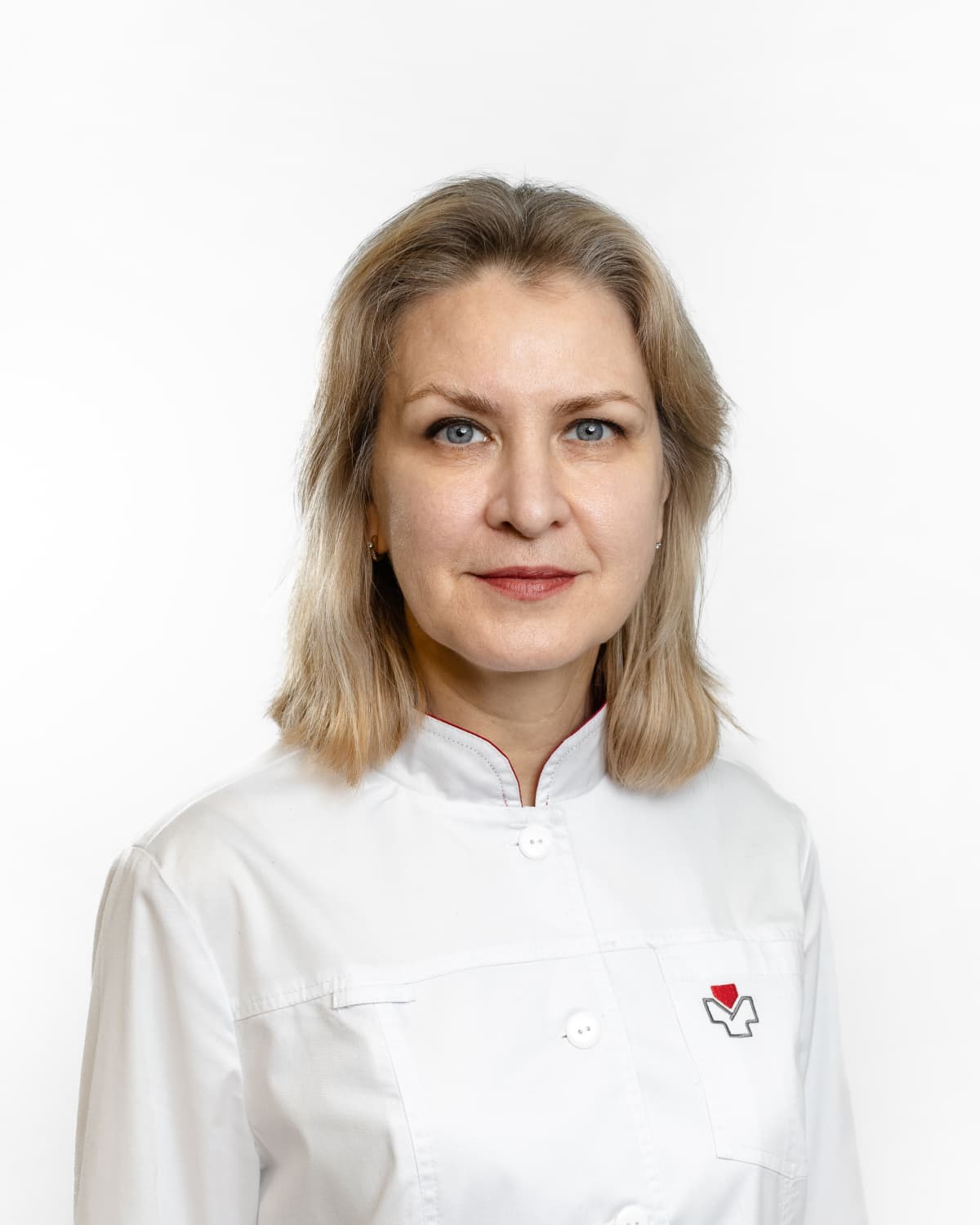
Ziborova Yuliia Volodymyrivna
Pediatric allergist

Allergic conditions in children can manifest in different ways, including persistent runny nose and nasal congestion, coughing, rashes, itching, swelling, or reactions after contact with certain foods or other allergens. A pediatric allergist helps determine whether symptoms are allergy-related, identify possible triggers, and recommend the necessary diagnostic tests. Based on the examination results, the doctor develops an individualized treatment and disease management plan to reduce the frequency of flare-ups and minimize the impact of allergies on the child’s everyday life.
Pediatric allergist
You can book an appointment with a pediatric allergist at the Doctor Sam medical center by calling +38 (097) 312 92 91 or using the online appointment form on our website. We are located in Kyiv at 1 Kiltseva Road, Respublika Park Shopping Mall.
For the consultation, bring the results of previous tests and examinations, medical reports, information about any medications your child has already taken, and photographs of rashes or swelling if they have disappeared or become less noticeable by the time of the appointment. If you have noticed a connection between the symptoms and certain foods, a particular season, time spent at home, contact with animals, or other circumstances, be sure to tell the doctor.
Doctor Sam offers consultations with a range of pediatric specialists. When necessary, the pediatric allergist may recommend further evaluation by a pediatrician, pediatric otolaryngologist, pediatric dermatologist or another relevant specialist.
If you are in another city or country, or need to discuss test results, the course of treatment, or other questions that do not require an in-person examination by a pediatric allergist, you can use a Doctor Sam online family doctor consultation. The doctor will assess the situation within the scope of a remote consultation and help determine the appropriate next steps.
Persistent nasal congestion may be associated with allergic rhinitis, but similar symptoms can also occur with other conditions. Skin rashes may be caused by atopic or contact dermatitis, infections, or other conditions. This is why the search for the cause begins with a detailed analysis of the symptoms and their progression.
A pediatric allergist needs to know when the first symptoms appeared, how long they last, whether they recur during a particular season, and whether they are associated with exposure to animals, house dust, or specific foods. The doctor also considers coexisting conditions, previous treatment, and family medical history. Only then can the allergist determine which tests are actually needed to clarify the diagnosis.
Depending on the symptoms, the child may require additional examinations or consultations with other specialists.


Nasal congestion, sneezing, and watery eyes that recur or worsen during a particular season may be signs of allergic rhinitis. If a runny nose lasts for weeks, keeps returning without typical signs of a cold, or occurs at roughly the same time each year, it is worth discussing the symptoms with a pediatric allergist. Allergic rhinitis may cause nasal congestion, frequent sneezing, watery nasal discharge, an itchy nose, eye redness, and watery eyes. Symptoms may worsen during pollen season or after exposure to other potential allergens.
Seasonal allergies in children are not limited to spring. Therefore, for diagnosis, it is important to analyze exactly when the symptoms begin, how long they last, and under what conditions they worsen.
A persistent runny nose should not automatically be assumed to be caused by an allergy. If a child has prolonged difficulty breathing through the nose, breathes through the mouth, snores, or frequently experiences ENT problems, a consultation with a pediatric otolaryngologistmay be needed, along with an endoscopic examination of the nose and nasopharynx when indicated. An allergist and an ENT specialist assess different possible causes of these symptoms, so in some cases, combining both areas of expertise can provide a more complete clinical picture.
If the symptoms already recur regularly, there is no need to wait for the next allergy season or another flare-up. A consultation with a pediatric allergist can help determine the appropriate diagnostic approach and discuss a strategy for managing the condition in advance.