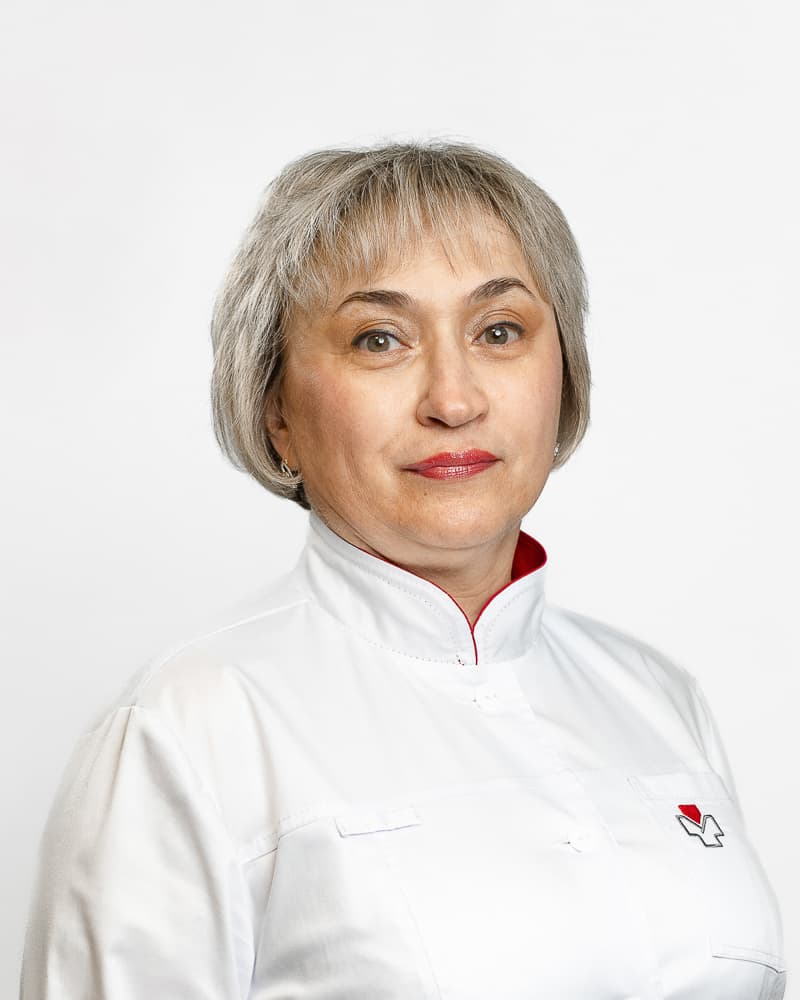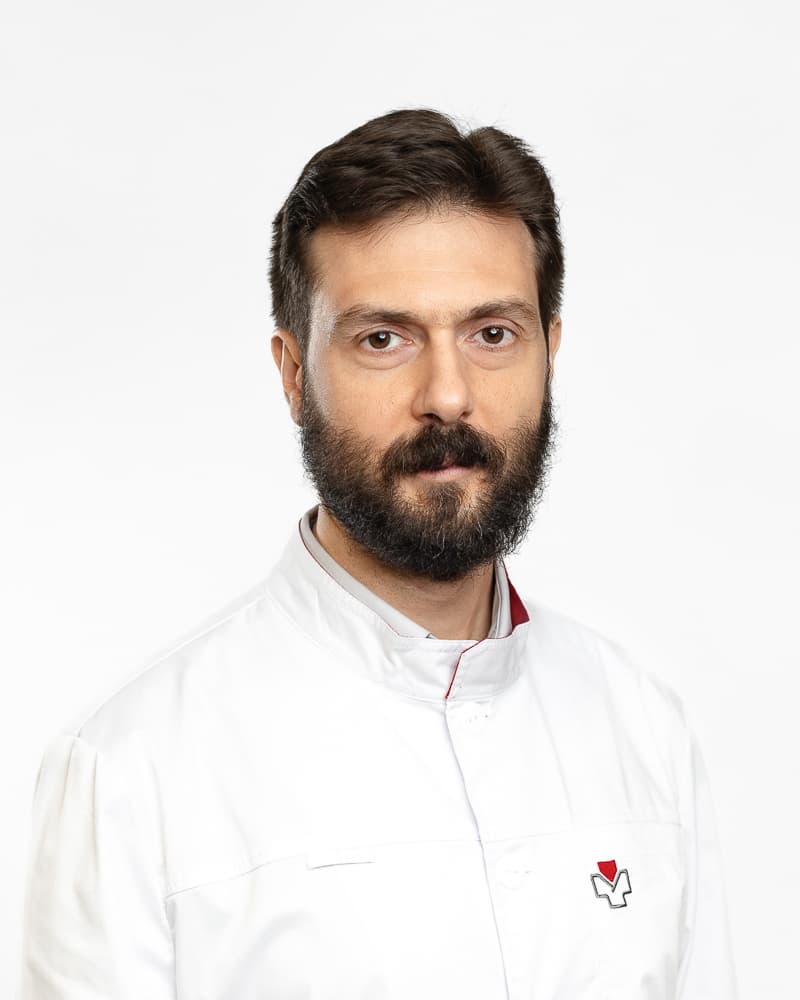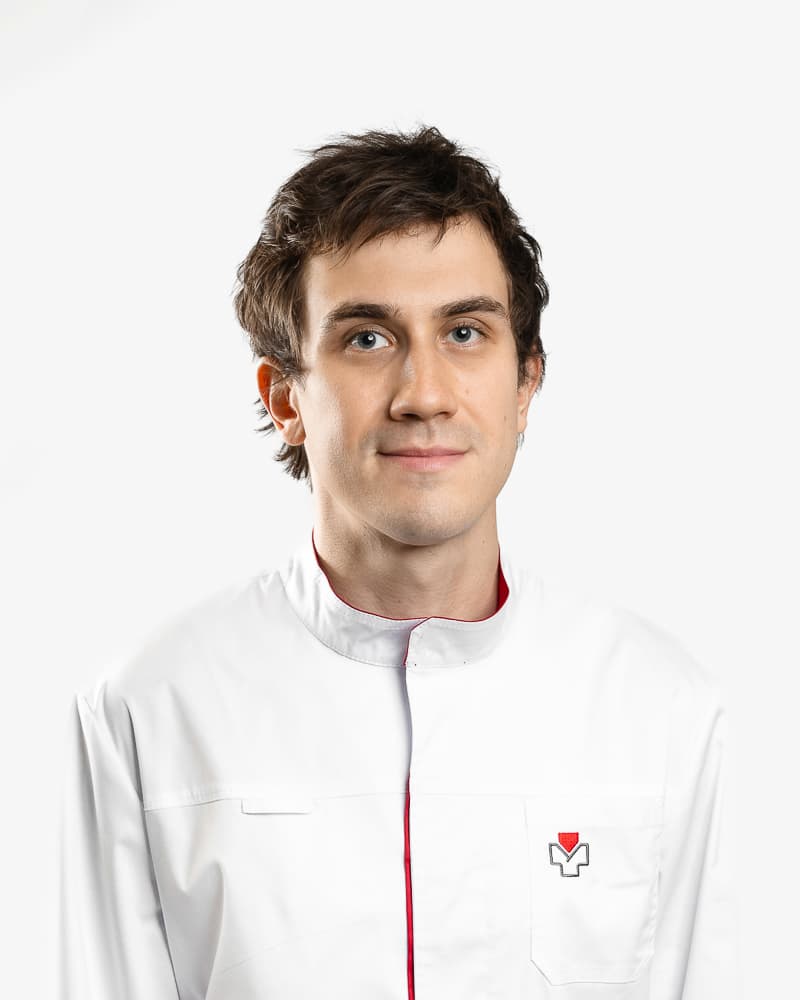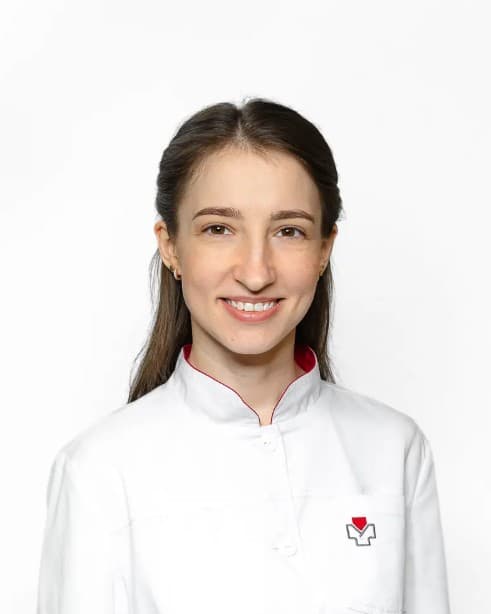
Bolibok Tetiana Oleksiivna
Functional diagnostics, Pediatric cardiologist, Pediatric cardiorheumatologist

Functional diagnostics provide a way to assess how the body functions over time, including the heart, blood vessels, respiratory system, and metabolism. At Doctor Sam, we perform examinations that provide an accurate picture of cardiovascular function, even before symptoms appear. All examinations are performed using modern equipment and in accordance with clinical protocols. Careful analysis of the results allows the doctor to identify changes in organ function at an early stage and make informed decisions about further treatment or preventive measures.
Functional diagnostics, Pediatric cardiologist, Pediatric cardiorheumatologist
Ultrasound doctor, Obstetrician-gynecologist
Cardiologist, Therapist
Cardiologist, Ultrasound doctor
Ultrasound doctor, Obstetrician-gynecologist, Pediatric gynecologist
Ultrasound doctor, Obstetrician-gynecologist
Ultrasound doctor, Obstetrician-gynecologist
Ultrasound doctor, Obstetrician-gynecologist
Endocrinologist
Not all cardiac rhythm abnormalities can be detected during a standard ECG. If symptoms such as palpitations, irregular heartbeats, dizziness, or weakness occur intermittently, a routine test may miss the underlying issue. That is why physicians prescribe Holter ECG monitoring is a method that allows for the tracking of heart activity for a period ranging from 24 hours to four days, while the patient maintains their usual daily routine.
A Holter monitor is a compact, portable device that records the electrical activity of the heart throughout the day and night. Patients continue their usual activities – working, resting, exercising, and sleeping – while the system captures every variation in heart rhythm. This allows for the detection of intermittent arrhythmias, ischemic episodes, nocturnal abnormalities, and the heart’s response to physical or emotional stress.
Holter ECG monitoring is most commonly prescribed for patients experiencing palpitations, irregular heartbeats, chest pain, dizziness, or syncope. It is also used to assess treatment effectiveness, monitor patients after myocardial infarction, or evaluate suspected serious rhythm disorders. This is one of the key methods of functional diagnostics, enabling physicians to see a comprehensive picture.
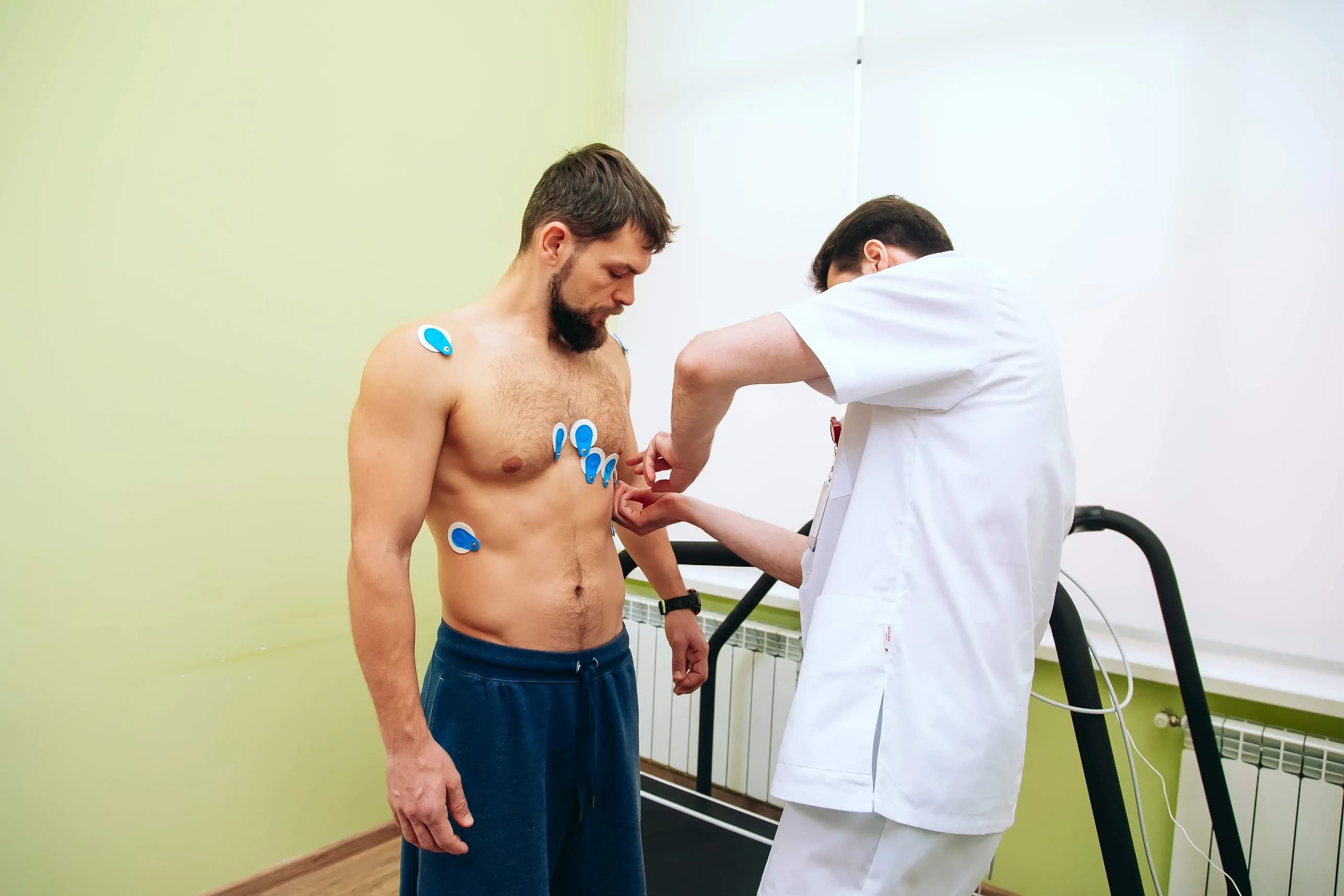
The procedure is simple and well tolerated. Electrodes are attached to the chest and connected to a small, lightweight recording device. The monitor does not interfere with daily activities. After the recording period, a specialist analyzes the data and provides a detailed clinical report. This approach allows for the detection of abnormalities that may remain undetected during a standard ECG.
Holter ECG monitoring is an important step toward an accurate diagnosis and effective treatment. Even mild but recurrent symptoms should not be ignored. Timely diagnostics help prevent serious complications and maintain long-term heart health.
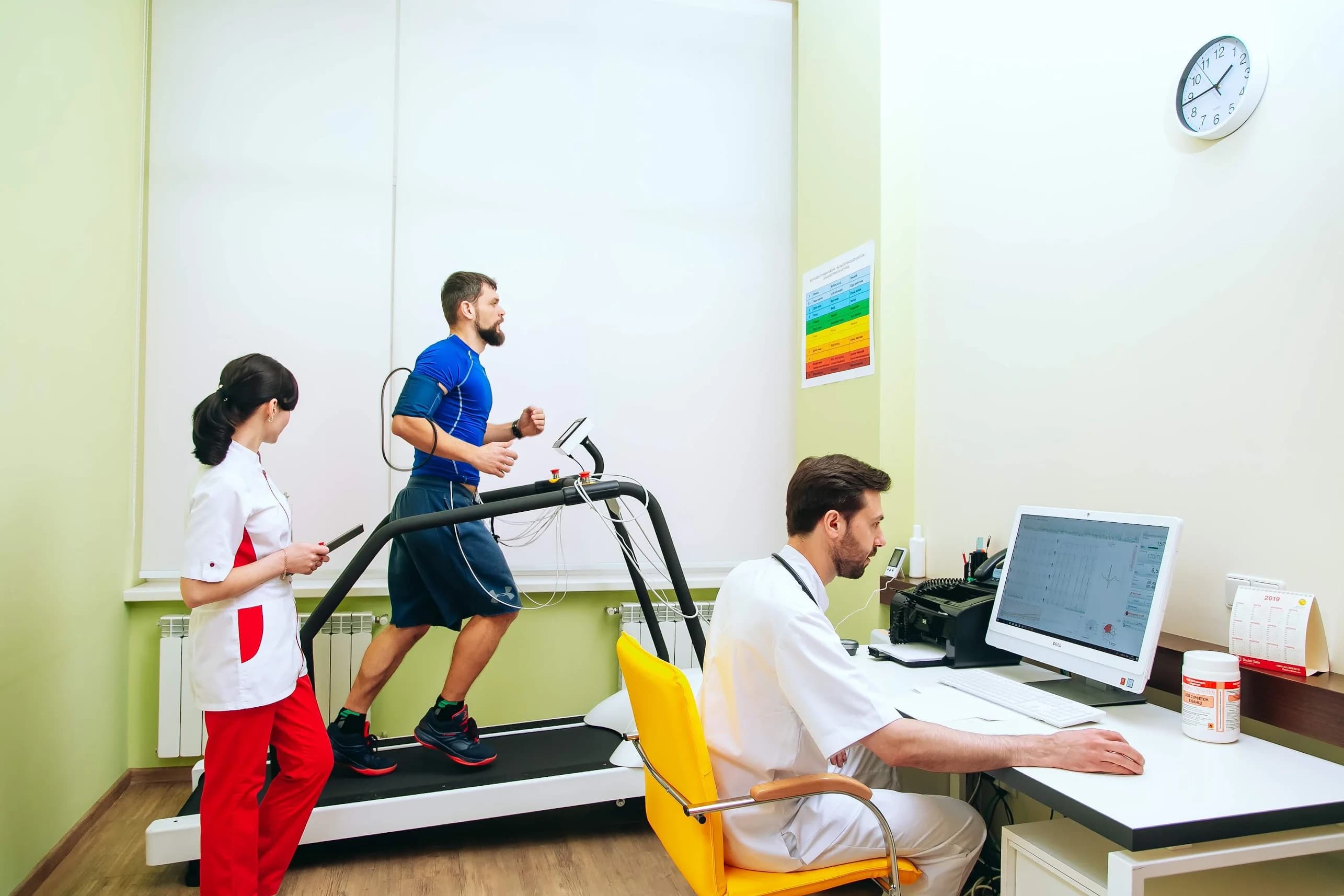
A treadmill test, also known as an exercise stress test, is a diagnostic method used to evaluate heart function during physical activity. It helps detect cardiovascular abnormalities that may not be present at rest. The test is widely used for diagnosing coronary artery disease, assessing functional cardiac capacity, and evaluating the effectiveness of ongoing treatment. A treadmill test is often included in a comprehensive medical evaluation for patients with a family history of cardiovascular disease or existing risk factors.
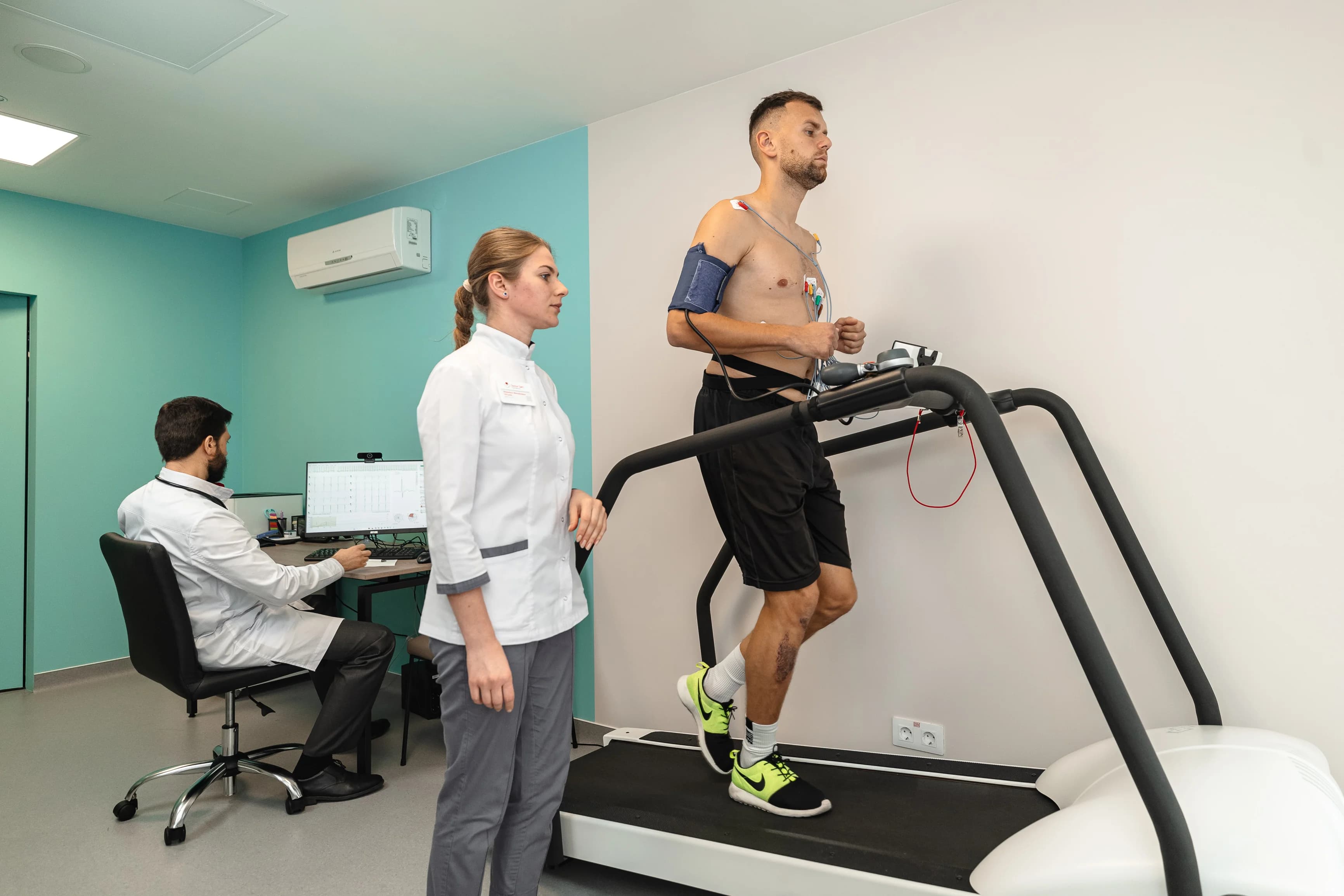
The procedure is performed in a clinical setting under medical supervision using a treadmill with integrated monitoring systems. During the test, an electrocardiogram (ECG), heart rate, and blood pressure are continuously recorded, along with their response to increasing physical exertion. At the Doctor Sam Medical Center, patients are provided with a modern and comfortable examination environment equipped with advanced technology. All treadmill tests are conducted by experienced specialists in accordance with current clinical guidelines.
A cardiologist evaluates potential risks and may recommend the test with limitations or avoid it entirely in the presence of serious contraindications.
The test is carried out on a treadmill with electrodes attached to monitor cardiac activity. The patient walks while the speed and incline gradually increase, providing controlled and progressive physical stress. The medical team continuously monitors ECG and blood pressure. The examination takes 15 minutes, or 60 minutes including the consultation. The test may be stopped if the patient experiences weakness, significant ECG changes, arrhythmia. After completion, monitoring continues for an additional 5–6 minutes or until all parameters return to baseline.
For appointments and consultations, please contact the Doctor Sam Medical Center. Our team will help you schedule a visit at a convenient time and provide detailed guidance regarding the procedure.
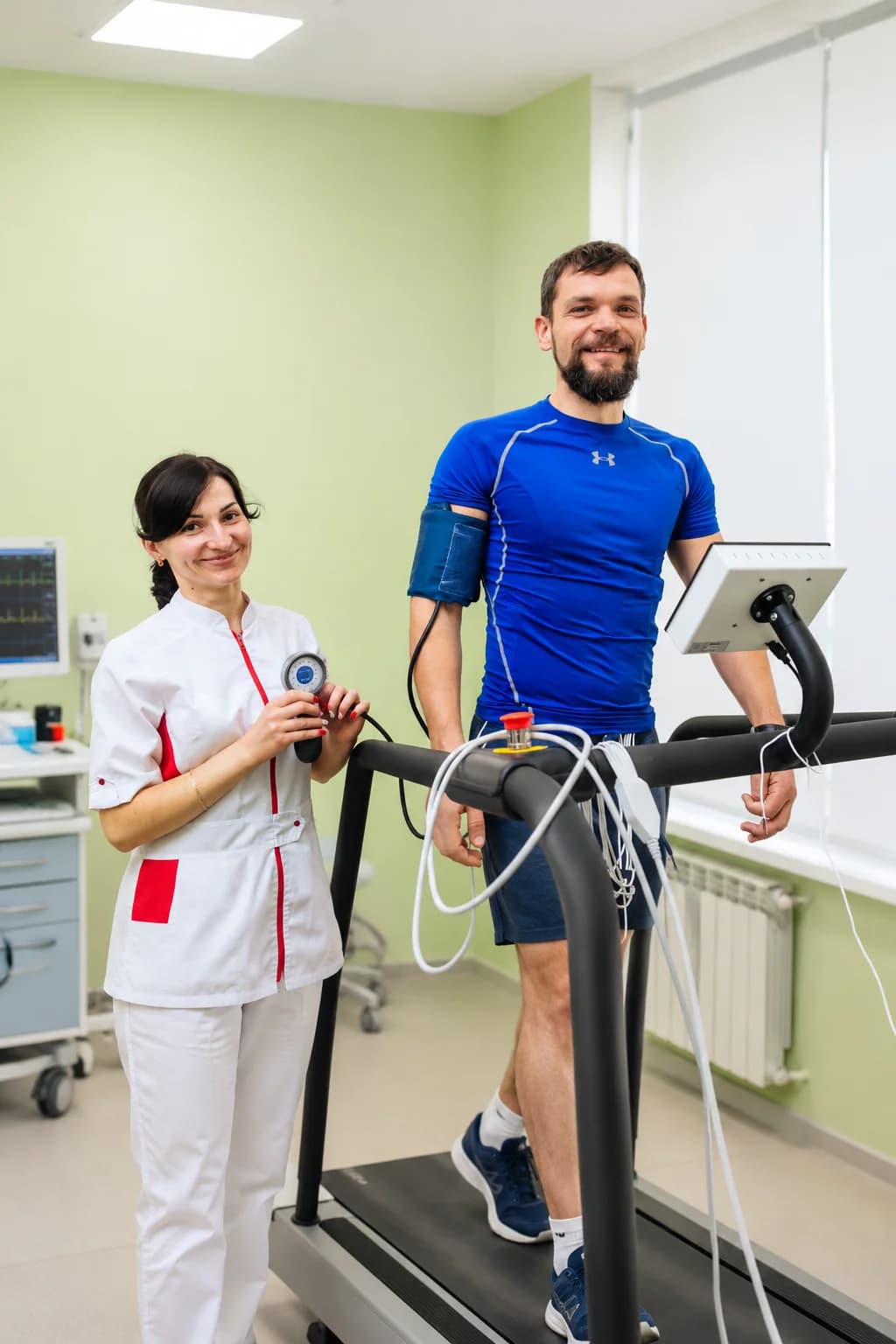
Electrocardiography (ECG) is the most common test used to evaluate heart function by measuring its electrical activity. These electrical impulses trigger the contraction of the heart muscle and maintain a regular heartbeat. Under normal conditions, the heart beats in a coordinated and rhythmic manner. Disturbances in electrical activity may indicate conditions such as arrhythmia, ischemia, or an increased risk of myocardial infarction. An ECG is a simple, non-invasive, and painless procedure that typically takes 5–10 minutes and provides essential information about cardiac health.
At the Doctor Sam Medical Center, patients are examined in a comfortable setting using modern ECG equipment capable of detecting even subtle changes in heart rhythm. High-sensitivity devices reduce the risk of inaccurate results, while automated data analysis supports rapid clinical interpretation.
We offer a full range of ECG diagnostics, including:
After the procedure, the patient receives a detailed ECG report. The physician provides a preliminary interpretation and recommendations. If needed, you can immediately schedule a consultation with a cardiologist or another specialist for further evaluation. We offer a comprehensive range of additional diagnostics and consultations to ensure accurate and timely diagnosis.