

Joint injection therapy
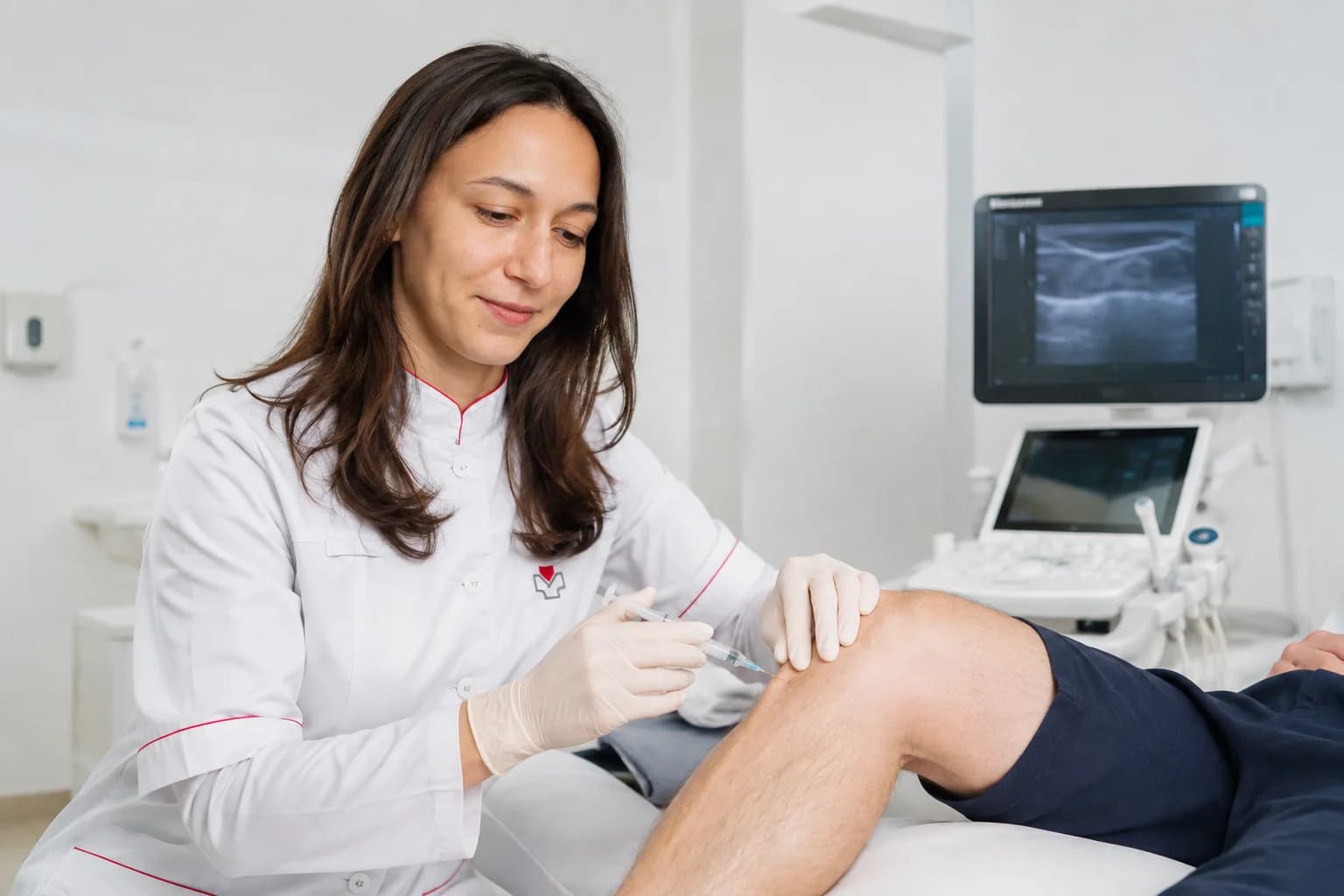
Joint injection therapy involves administering medication directly into a joint to reduce pain and inflammation or to treat certain conditions and the consequences of joint injuries. The suitability of the procedure and the medication used are determined individually, depending on the cause of the symptoms, the condition of the joint, and the treatment goal. The service includes one injection.

Specialists

Bosyy Oleh Anatoliyovych
Surgeon, Ultrasound doctor
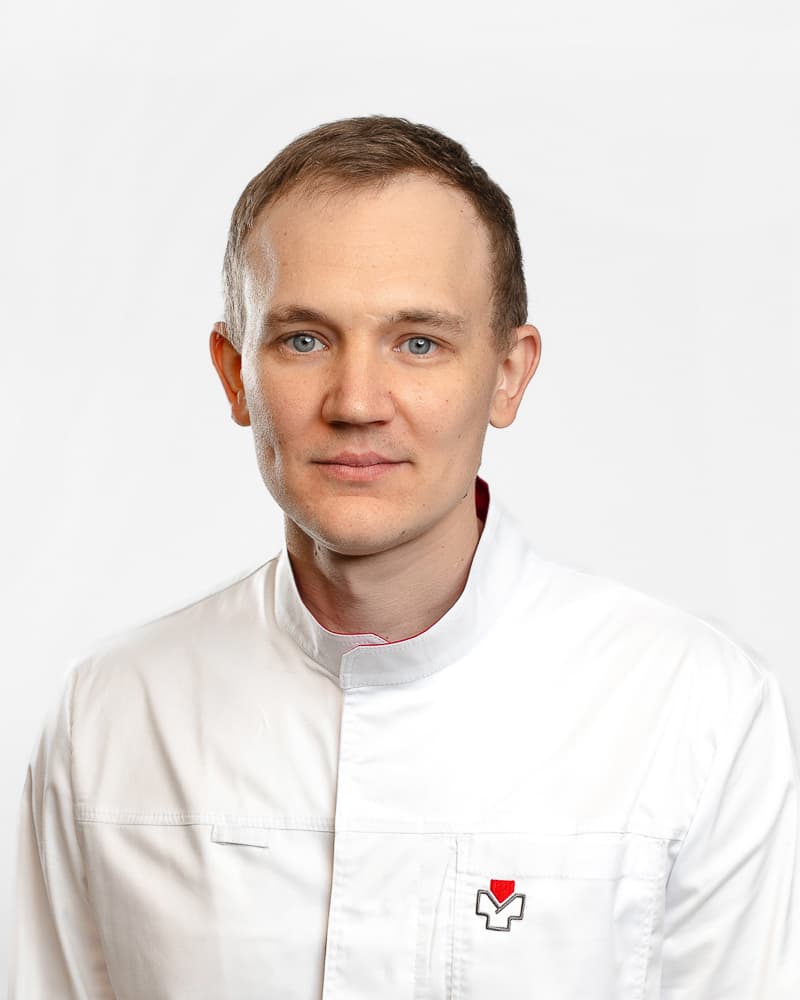

Buryak Nadiya Anatoliivna
Vascular surgeon

Gorelik Valeria Volodymyrivna
Pediatric surgeon, Pediatric orthopedic traumatologist
FAQ
When might a joint injection be needed?
Joint injection therapy may be considered when pain, inflammation, or reduced mobility is related to a condition affecting the joint itself. It can be used as part of treatment for degenerative changes, inflammatory conditions, synovitis, and in certain cases following joint injuries.
However, an injection is not a universal solution for every type of pain in the knee, shoulder, or another joint. It is important to determine the cause of the symptoms first. Depending on the situation, a patient may need an orthopaedic and trauma specialist consultation, additional diagnostic tests, or treatment aimed at the underlying cause of the pain.
The doctor assesses the condition of the joint, the nature of the symptoms, and the results of any examinations before determining whether joint injection therapy may be appropriate in a particular case.
What should you expect after a joint injection?
After the procedure, mild soreness or discomfort may remain around the injection site. In some cases, symptoms may temporarily worsen, particularly during the first few days. This depends on the medication used and the individual's response to the procedure.
The time it takes for the treatment to have an effect also depends on the medication. In some cases, improvement may be noticed relatively quickly, while in others, the effect develops gradually.
After the injection, you can usually walk and carry out normal daily activities, although intense physical stress on the treated joint may need to be temporarily limited. Specific recommendations depend on which joint was treated, which medication was administered, and the purpose of the procedure.
If pain suddenly becomes more severe, significant swelling or redness develops, body temperature increases, or any other unusual symptoms occur after the injection, you should contact a doctor.
Booking a consultation and joint injection therapy
Joint pain does not always mean that an injection is necessary. The underlying cause may be an injury, inflammation, degenerative changes, or another condition requiring a different treatment approach. That is why it is important to understand what is causing the symptoms before the procedure.
The doctor will assess your symptoms, arrange additional examinations if necessary, and determine whether joint injection therapy is the most appropriate option in your case.
To book a consultation or procedure, call +380 97 312 92 91. Doctor Sam is located at Respublika Park Shopping Mall, 1 Kiltseva Road, Kyiv, near Teremky Metro Station.


