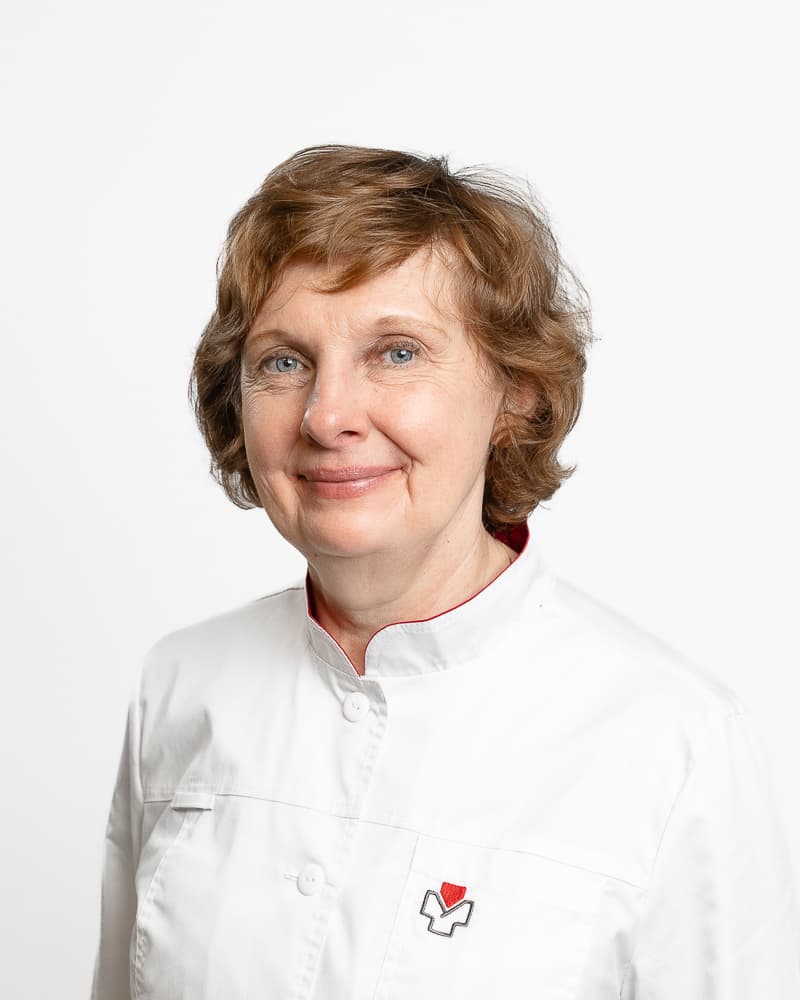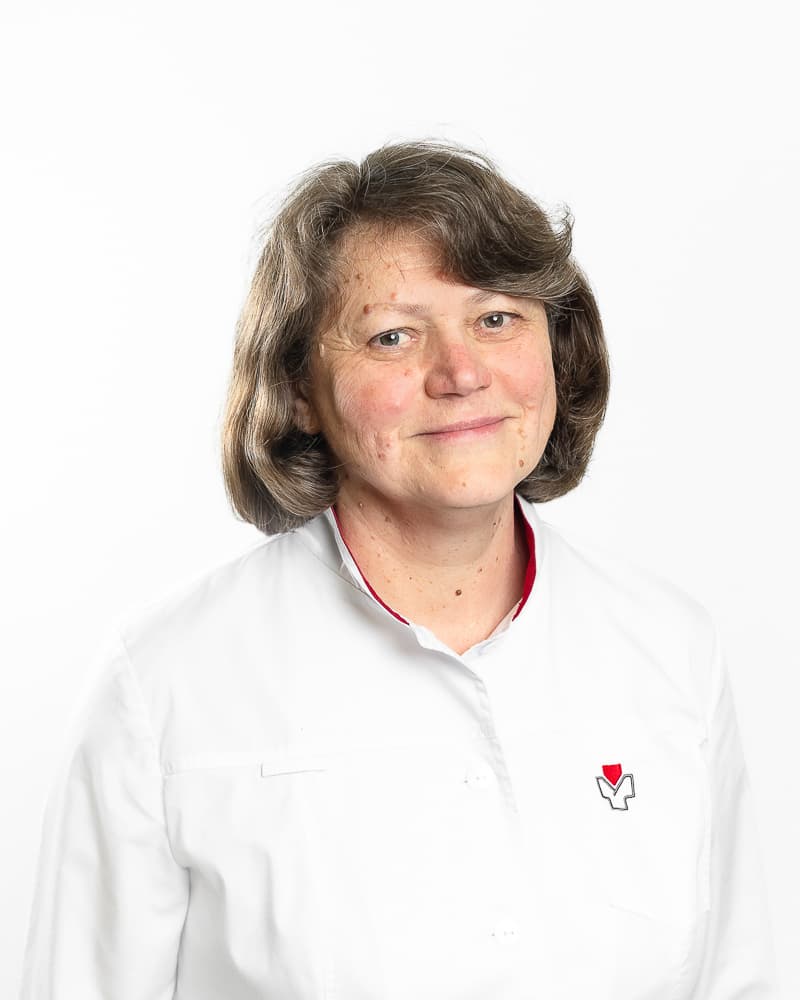
Nikolaienko Iryna Romanivna
Pediatric neuropathologist

A pediatric neurologist specializes in the diagnosis, treatment, and monitoring of conditions affecting the central and peripheral nervous systems in children from birth. The specialist assesses a child’s psychomotor development, muscle tone, reflexes, motor coordination, and overall nervous system function, helping identify the causes of headaches, sleep disturbances, developmental delays, seizures, tics, dizziness, behavioral changes, and other neurological symptoms. Early consultation with a pediatric neurologist allows developmental concerns to be identified promptly, appropriate treatment to begin when necessary, and the child’s healthy development to be supported.
Pediatric neuropathologist
Pediatric neuropathologist, Психіатр дитячий
Endocrinologist
Ultrasound doctor, Cardiologist
Pediatric cardiologist, Pediatric cardiorheumatologist
Psychologist, Pediatric psychologist
Preventive examinations by a pediatric neurologist are recommended according to the child's age and the pediatrician's advice. An additional consultation is recommended if parents notice developmental concerns, sleep disturbances, headaches, seizures, tics, behavioral changes, or any other symptoms that may indicate a disorder of the nervous system. Early evaluation increases the chances of identifying potential problems promptly and determining the most appropriate course of action.
You can book a consultation with a pediatric neurologist online or by calling +380 97 312 92 91. Doctor Sam Medical Center is located at Respublika Park, 1 Kiltseva Road, Kyiv.
If your child is currently abroad or you are unsure whether a pediatric neurologist is the most appropriate specialist, you can first schedule an online consultation with a family physician. The physician will assess your concerns, recommend the next steps, and, if necessary, refer your child to a pediatric neurologist or another specialist. .


Not all neurological disorders develop suddenly or cause severe pain. In many cases, the first signs are changes in a child's development, behavior, sleep, or coordination. A consultation with a pediatric neurologist helps identify the underlying cause of these symptoms, assess the functioning of the nervous system, and, when necessary, begin treatment at an early stage.
A consultation with a pediatric neurologist is recommended if your child:
If it is difficult for your child to visit the medical center because of their age, health condition, or limited mobility, Doctor Sam Medical Center also offers home consultations with a pediatric neurologist.
A pediatric neurologist evaluates not only specific symptoms but also the overall condition of a child's nervous system and whether their development is appropriate for their age. A comprehensive neurological assessment helps identify possible disorders, determine their underlying cause, and establish whether additional investigations, follow-up, or treatment are needed.During the consultation, the physician assesses:
If necessary, the physician may recommend additional diagnostic tests or consultations with other specialists. When a comprehensive assessment of early childhood development is required, the ASQ-3 screening may be recommended. This standardized developmental screening tool evaluates communication, gross and fine motor skills, problem-solving abilities, and personal-social development according to the child's age.
Up to 1 year of age
From 1 to 3 years of age
After 3 years of age
Not every developmental difference indicates a neurological disorder. However, timely consultation with a pediatric neurologist allows the child's nervous system to be thoroughly assessed, helps rule out serious neurological conditions, and ensures that appropriate follow-up or treatment can be initiated when necessary.