

Pediatric psychiatrist consultation
A pediatric psychiatrist evaluates a child's emotional, behavioral, and mental development, helping parents understand changes in behavior and determine whether their child's development is appropriate for their age. A consultation may be beneficial if your child is experiencing difficulties with communication, learning, attention, emotional regulation, sleep, or adapting to kindergarten or school. The specialist performs a comprehensive assessment, provides guidance for parents, and, when necessary, develops an individualized plan for further evaluation, follow-up, or treatment. Early consultation can help identify developmental or mental health concerns at an early stage and ensure that your child receives the appropriate support.

What is the difference between a pediatric psychologist and a pediatric psychiatrist?
Pediatric psychologist:
- helps children manage emotional, behavioral, and psychological challenges;
- supports children with anxiety, fears, adjustment difficulties, stress, communication problems, and family or school-related concerns;
- provides psychological counseling, assessments, and therapeutic interventions;
- does not prescribe medication.
Pediatric psychiatrist:
- is a medical doctor specializing in children's mental health and neurodevelopment;
- evaluates and treats conditions such as ADHD, autism spectrum disorder (ASD), developmental delays, tic disorders, sleep disorders, anxiety, depression, and significant behavioral changes;
- may recommend additional examinations, prescribe treatment, and, when appropriate, medication; works closely with pediatricians, pediatric psychologists, pediatric neurologists, speech and language therapists, and other specialists.
Which specialist should you choose?
If your child is experiencing emotional, behavioral, or adjustment difficulties, it is often appropriate to begin with a pediatric psychologist. If there are concerns about developmental delays, ADHD, autism spectrum disorder (ASD), or other mental health conditions, a consultation with a pediatric psychiatrist is recommended. When needed, both specialists work together to provide comprehensive care tailored to your child's needs.
Specialists
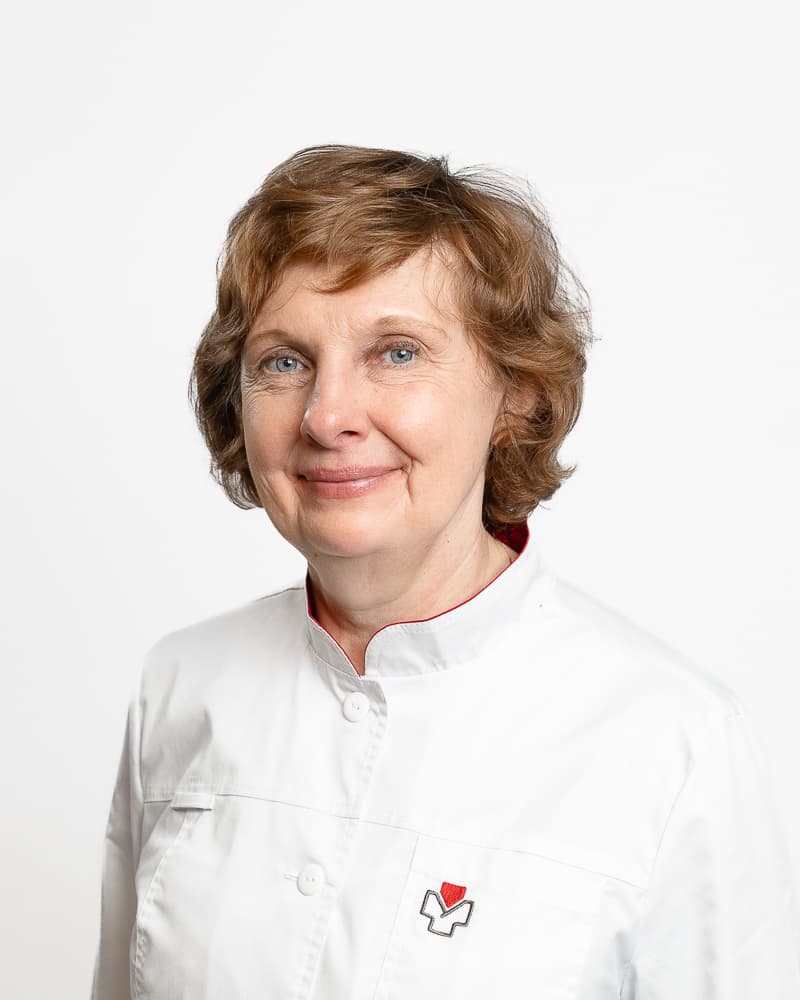
Chevokina Tetiana Mykhailivna
Pediatric neuropathologist, Психіатр дитячий

When should you see a pediatric psychiatrist?
- loss of previously acquired developmental skills
- delayed speech or significant speech and language delay
- signs of autism spectrum disorder (ASD) or attention-deficit/hyperactivity disorder (ADHD)
- frequent tantrums, aggressive behavior, or self-injurious behavior
- difficulty concentrating or controlling behavior
- significant anxiety, fears, obsessive thoughts, or repetitive behaviors
- persistent sleep problems, mood changes, or sudden behavioral changes
- difficulty adapting to kindergarten or school
FAQ
How is a pediatric psychiatrist consultation conducted?
The consultation takes place in a calm and comfortable environment. The doctor first speaks with the parents to gather information about the child's development, behavior, medical history, and current concerns. The specialist then meets with the child, observes their behavior, communication, emotional responses, and interactions with others. If appropriate, age-appropriate play-based or diagnostic techniques may be used. At the end of the consultation, the doctor explains the assessment findings, answers the parents' questions, and provides recommendations for follow-up, treatment, or consultations with other specialists.
Does a pediatric psychiatrist always prescribe medication?
No. Medication is prescribed only when it is medically indicated and truly necessary. In many cases, parental guidance, psychological support, therapeutic interventions, or ongoing monitoring are sufficient. If treatment is recommended, the doctor will explain its purpose, expected benefits, possible side effects, and answer all questions.
Is a referral required to see a pediatric psychiatrist?
No. A referral is not required to schedule a consultation. You can book an appointment if you have concerns about a child's development, behavior, emotional well-being, or mental health. If the child has already been evaluated by a pediatrician, psychologist, neurologist, or another specialist, it is helpful to bring any previous medical records or assessment results to the consultation.
How can I book a pediatric psychiatrist consultation?
To schedule a consultation, please call +380 97 312 92 91. Doctor Sam Medical Center is located at 1 Kiltseva Road, Kyiv (Respublika Park Shopping Mall). If you are living abroad or are unable to visit the medical center in person, you can begin with an online consultation with a family doctor.
If additional evaluation is needed, Doctor Sam Medical Center also offers consultations with a pediatric psychologist, neurologist, speech and language therapist, and pediatrician, as well as ASQ-3 developmental screening and other services for a comprehensive assessment of child development and mental health.


