
Children's travel first aid kit: essential items to pack for a trip
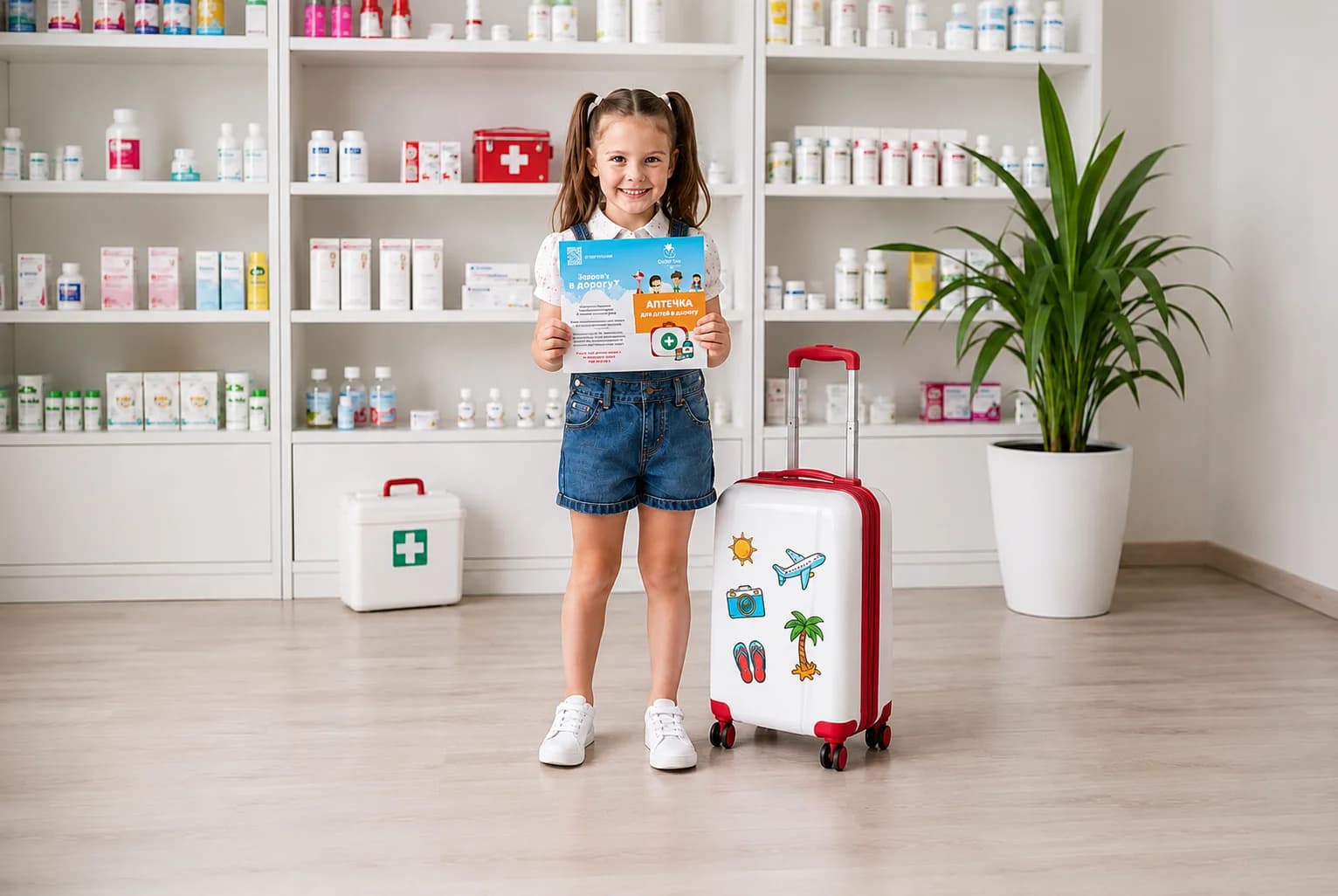
Have you ever packed your suitcase feeling confident that you remembered everything, only to find yourself searching for a pharmacy in the middle of the night in an unfamiliar city because your child developed a fever or got bitten by an insect? Sounds familiar?
During vacations, children often experience fever, digestive issues, insect bites, minor injuries, and scrapes. That’s why a well-prepared travel first aid kit for kids can help you handle common situations quickly and avoid unnecessary stress.
The main rule is simple: your child’s travel first aid kit should be compact but include everything needed for the most common health concerns.
Fever and pain relief medications
A fever never appears at a convenient time. For this reason, your first aid kit should include a fever-reducing medication that is appropriate for your child’s age. Before your trip, make sure you know the correct dosage based on your child’s weight. Don’t forget to pack a thermometer as well.
Remedies for digestive upset
New foods, different water, or simple overeating can sometimes lead to digestive problems. A travel first aid kit should include:
- an oral rehydration solution;
- an age-appropriate sorbent recommended for children;
- medications previously recommended by your pediatrician for digestive disorders.
When a child has diarrhea or vomiting, dehydration becomes the greatest concern. This is why it is important to encourage your child to drink small amounts of fluids regularly.
Antihistamines
New foods, exotic fruits, pollen, or insect bites may trigger an allergic reaction. If your child is prone to allergies or has previously received treatment for allergic conditions, be sure to bring any medications recommended by your doctor. It is best to discuss an action plan for potential allergic reactions with your pediatricianbefore traveling.
Wound care essentials
Active vacations almost always come with bumps, bruises, and scrapes. Sunburn is also one of the most common reasons families seek medical care during summer holidays.Your travel first aid kit should include:
- adhesive bandages in various sizes;
- sterile gauze pads or bandages;
- an antiseptic for wound care;
- a sunburn relief product.
Insect protection
During the warmer months, insect repellent becomes just as important as sunscreen. Choose a product appropriate for your child’s age and follow the instructions carefully. It is also helpful to bring a product that relieves itching and discomfort after insect bites.
What to do if your child experiences motion sickness
If your child is prone to motion sickness, it is best to prepare in advance. If motion sickness occurs regularly, consult your pediatrician before traveling about remedies suitable for your child’s age. To help reduce symptoms:
- avoid giving your child a large meal immediately before traveling;
- offer a light snack a few hours before departure;
- encourage your child to look ahead rather than at a phone or tablet screen while in the car;
- keep the vehicle well ventilated;
- take breaks during long journeys.
A great trip starts with peace of mind for parents
Even the best-stocked travel first aid kit cannot replace professional medical advice. If your child develops a high fever, signs of dehydration, a rash, digestive problems, difficulty breathing, severe pain, or any other concerning symptoms, do not delay seeking medical attention.
An online pediatric consultation can help you quickly understand what to do next.
To schedule an online consultation with a pediatrician, call +380 97 312 92 91 or contact us via Telegram, WhatsApp, or Signal.
Travel with confidence, and let us take care of your little travelers’ health. Doctor Sam is always nearby – even when you are thousands of miles from home.
More medical center news
All news