

PTSD: understanding and support
Post-traumatic stress disorder (PTSD) can develop after experiencing or witnessing a traumatic event. Its symptoms may include re-experiencing the trauma, avoiding reminders of the event, negative changes in thoughts and mood, and increased arousal and reactivity. Understanding these symptoms helps professionals recognize the effects of traumatic experiences and determine what kind of support a person may need.
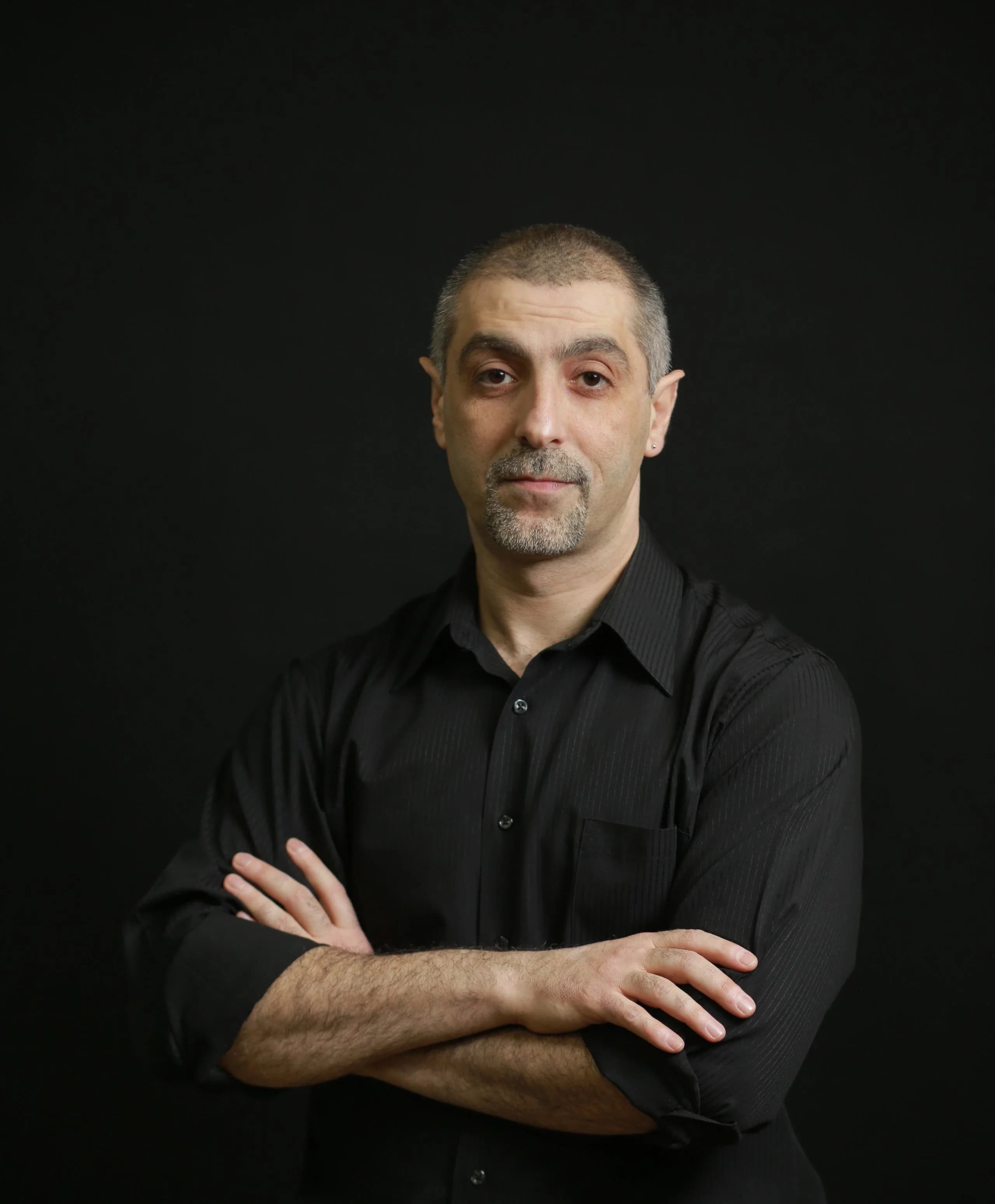
During the webinar “PTSD: understanding and support,” Samvel Aganov will explore the mechanisms underlying PTSD, how it can present in different groups, current approaches to symptom assessment, and evidence-based psychotherapeutic interventions.
Particular attention will be given to war-related trauma, supporting military personnel, veterans, and civilians, and applying principles of care that help prevent retraumatization.
Key webinar topics
1. Understanding PTSD
We will examine what post-traumatic stress disorder is, how the understanding of PTSD has evolved, and which diagnostic criteria are used to identify it. We will explore its four main symptom clusters: re-experiencing, avoidance, negative changes in cognition and mood, and increased arousal and reactivity. Practical examples will illustrate how these symptoms may affect everyday life.
2. War and the civilian population
We will discuss the impact of war on the mental health of civilians, groups at increased risk, and the distinctive features of traumatic experiences in conditions of prolonged threat. We will explore how war-related trauma may differ from other traumatic events and what moral injury is and how it differs from PTSD.
3. The neurobiology of PTSD and co-occurring conditions
We will explore why PTSD develops in some people but not others following a traumatic event, which factors may increase the risk of developing the disorder, and what can support recovery. We will examine the roles of the amygdala, hippocampus, and prefrontal cortex in threat responses, memory, and emotional regulation. We will also discuss psychological resilience and conditions that may co-occur with PTSD.
4. Assessment and treatment
We will examine how PTSD may present in children and adolescents, which signs professionals should look for during consultations, and which tools can be used to assess symptoms. We will discuss co-occurring mental health conditions and current evidence-based approaches to PTSD treatment, including the role of psychotherapy and comprehensive care.
5. Practical techniques and tools
We will explore the principles of stabilisation before processing traumatic experiences. Topics will include grounding techniques, box breathing, the use of heart rate variability (HRV) in stress management, and the potential applications of neurofeedback. We will discuss when these approaches may be appropriate and what their limitations are.
6. Principles of support and preventing retraumatization
We will discuss common mistakes in trauma-related work and the principles of trauma-informed care. We will explore how to promote safety, respect a person’s experiences and boundaries, and recognise the risk of secondary traumatic stress and professional burnout among helping professionals. We will also highlight psychological support services available in Ukraine.
The webinar is intended for psychologists, psychotherapists, psychiatrists, physicians, social workers, rehabilitation specialists, volunteers, and other professionals working with the effects of psychological trauma. It may also be valuable for students of psychology, medicine, and social sciences preparing for careers in mental health.
Participants will deepen their understanding of how PTSD develops, learn to better recognise its possible manifestations, explore current approaches to assessment and support, and gain practical guidance for responding to acute distress, flashbacks, and dissociative symptoms within the scope of their professional competence.
Book by phone:
or leave a request on the website — our administrator will contact you to confirm your appointment
Medical center address:
Kyiv, Kiltseva Road 1
(«Respublika Park» Mall)


